This article has been reviewed according to Science X's editorial process and policies. Editors have highlighted the following attributes while ensuring the content's credibility:
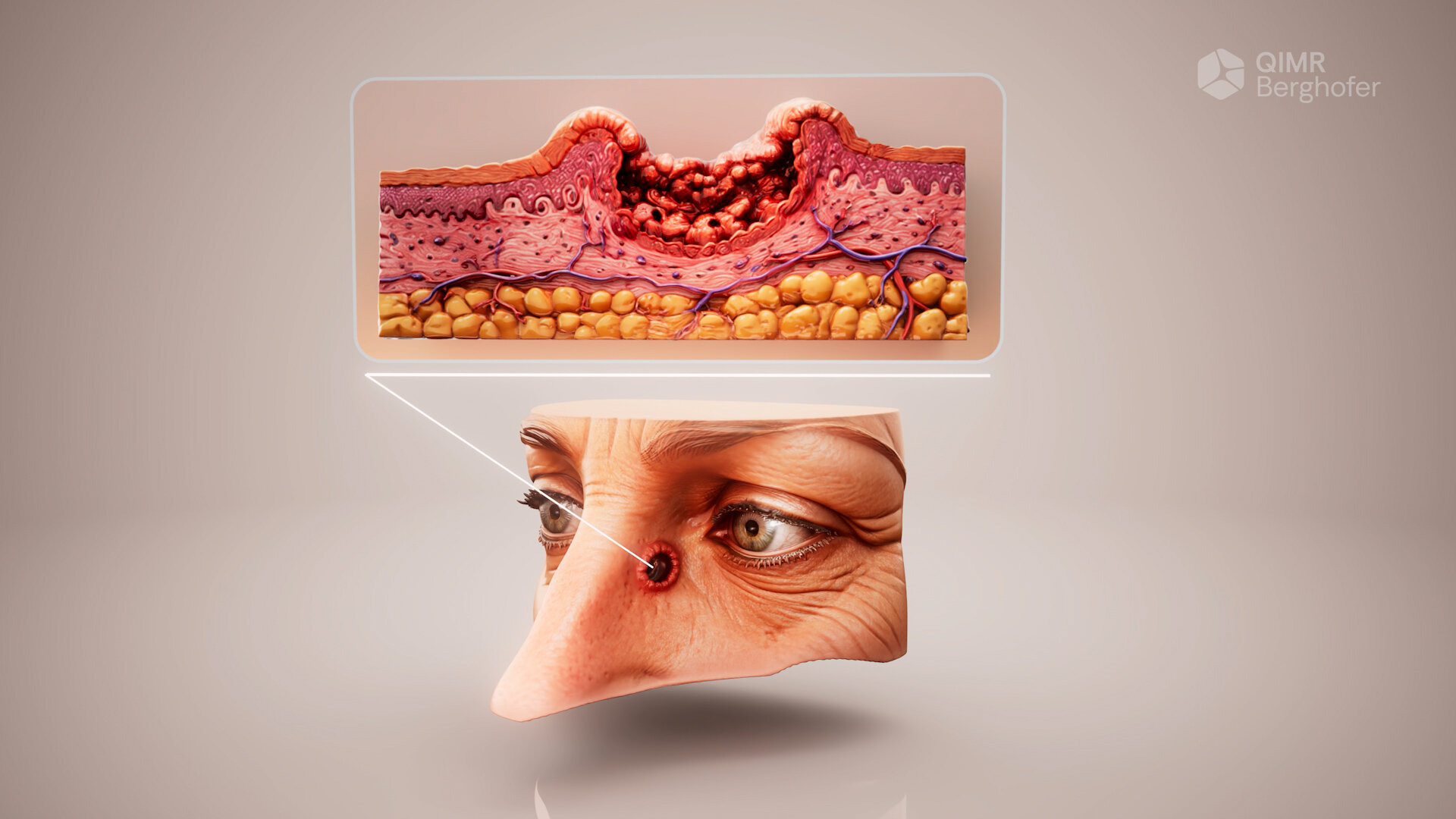
New research led by QIMR Berghofer has uncovered a decades-long increase in the rates of a common form of skin cancer across Australia and Europe, highlighting a growing but underrecognized public health challenge.
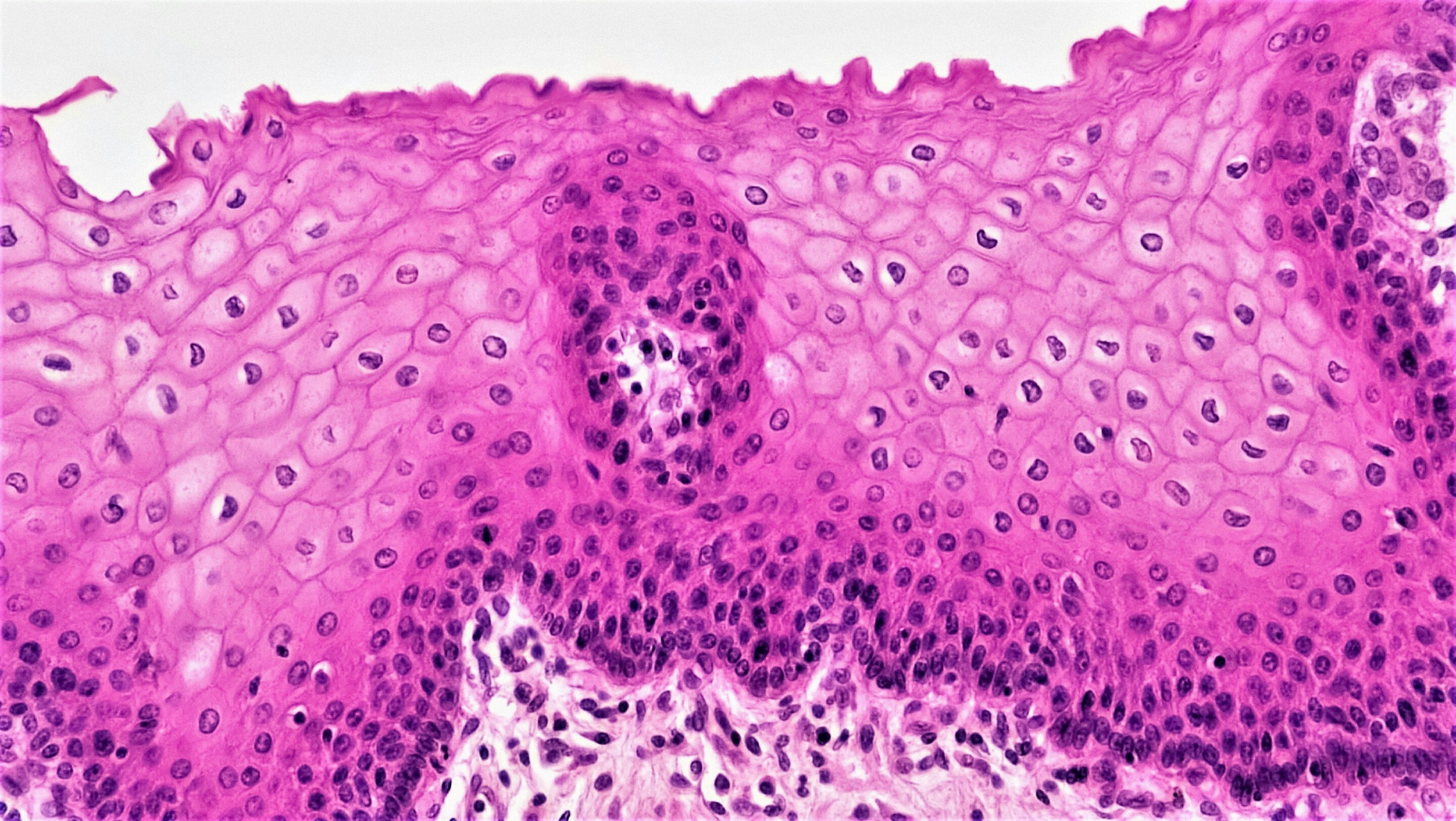
The study analyzed more than 30 years of data from seven cancer registries across Australia and Europe and found rates of cutaneous squamous cell carcinoma (SCC) have risen steadily across generations, with increases generally greater among women than men.
While most SCCs are treated successfully with surgery, some will spread beyond the skin, leading to serious illness and, in some cases, death.
SCC is far more common than melanoma, but it remains comparatively underresearched because it is not routinely recorded in the same way melanoma is.
Lead researcher Dr. Catherine Olsen said the findings, published in the British Journal of Dermatology, revealed a consistent trend across multiple countries.
"We were quite surprised to see that SCC incidence was rising faster in women across generations compared to men. That's a different pattern from what we see with melanoma," Olsen said.
The study examined data from Tasmania, Norway, Sweden, Finland, Denmark, Scotland and the Netherlands, showing the increase is occurring internationally rather than being limited to Australia.
Researchers investigated several possible explanations for the trend, including improvements in cancer registration, but found these did not adequately explain the sex differences observed.
Instead, the findings point to SCC's strong relationship with cumulative lifetime exposure to ultraviolet (UV) radiation .
Source link