This article has been reviewed according to Science X's editorial process and policies. Editors have highlighted the following attributes while ensuring the content's credibility:
A new study from Mayo Clinic suggests checkpoint immunotherapy may reshape the immune environment within lymph nodes after melanoma has spread to them. Researchers found that treatment reorganized several types of immune cells and changed the behavior of certain cells, called macrophages, that can either support or suppress an immune response depending on their environment.
Checkpoint immunotherapy helps the immune system recognize and attack cancer by blocking signals that can restrain immune cells. While these treatments have transformed cancer care, not all patients benefit, and researchers are working to understand why responses vary.
The study, published in Communications Biology, could help answer that question. The findings suggest that how immunotherapy reshapes the lymph node environment—not just how it affects individual immune cells—may be an important part of the body's response to treatment.
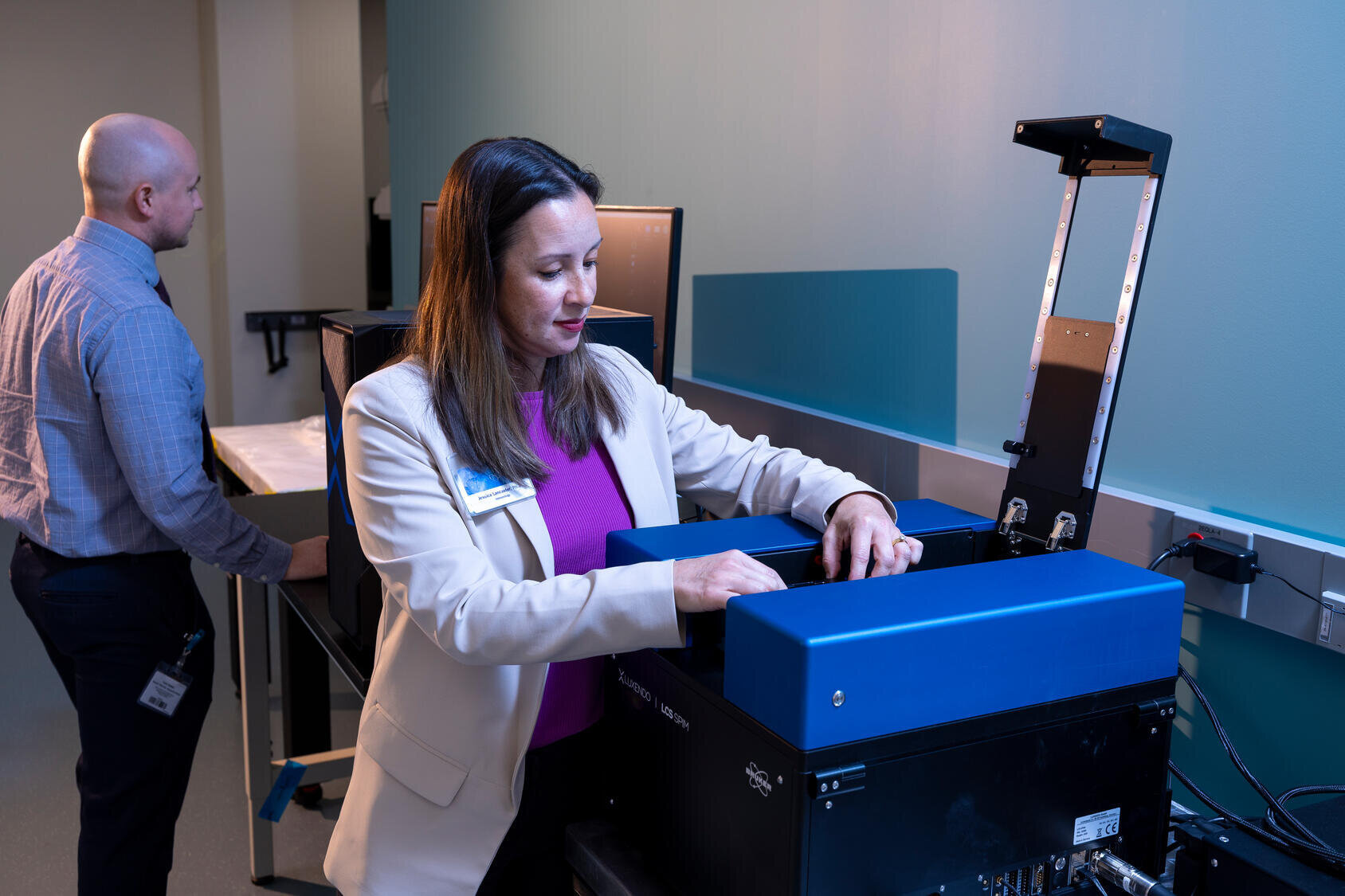
"We're learning that treating cancer isn't only about the T cells themselves. We also have to think about the environment they're working in," says Jessica Lancaster, Ph.D., senior author of the study and a Mayo Clinic immunologist. "Our study suggests that you may need to renovate the entire neighborhood to create an effective antitumor response."
That neighborhood includes the lymph nodes, which are organized hubs where immune cells interact and immune responses begin. Lymph nodes also can be among the first places melanoma spreads.
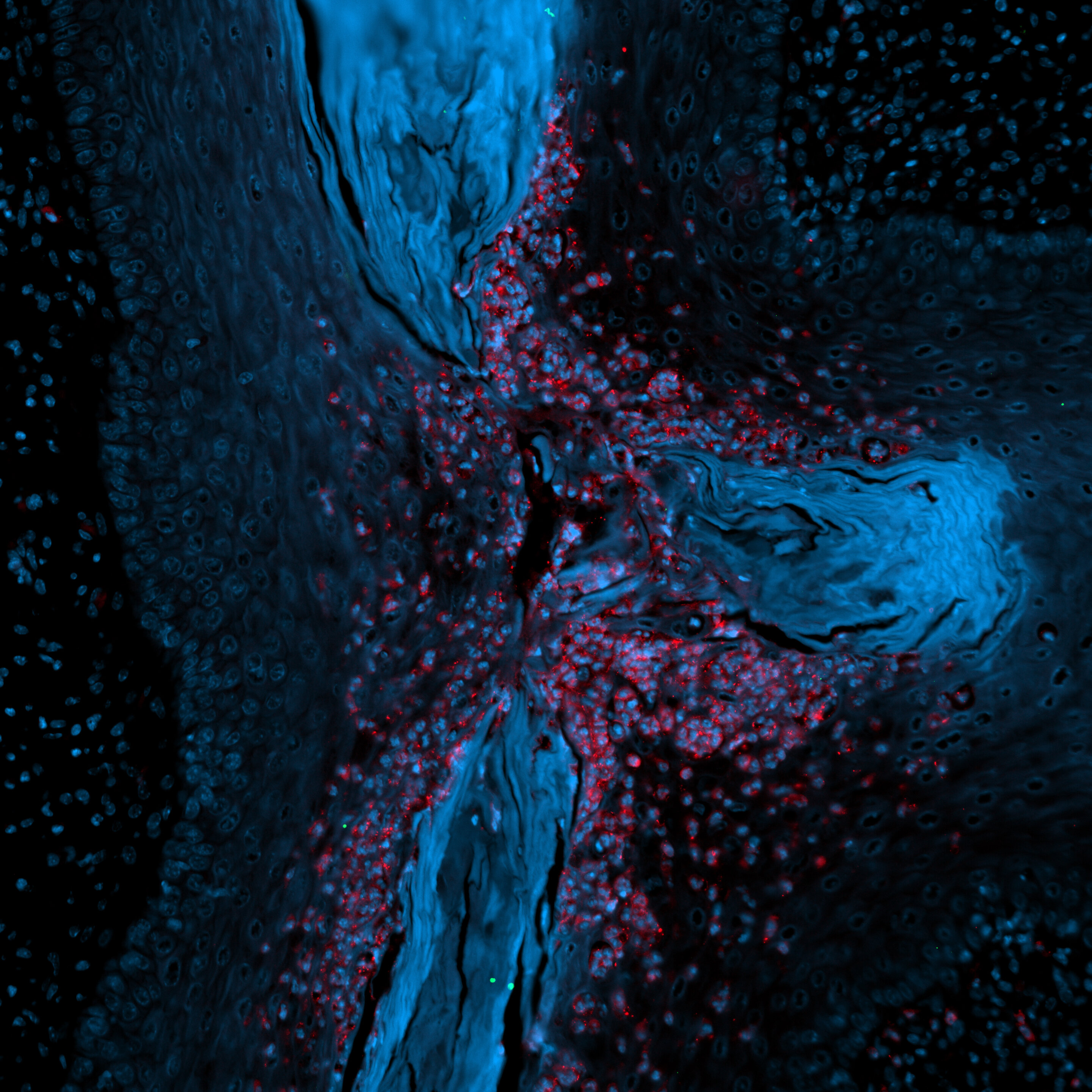
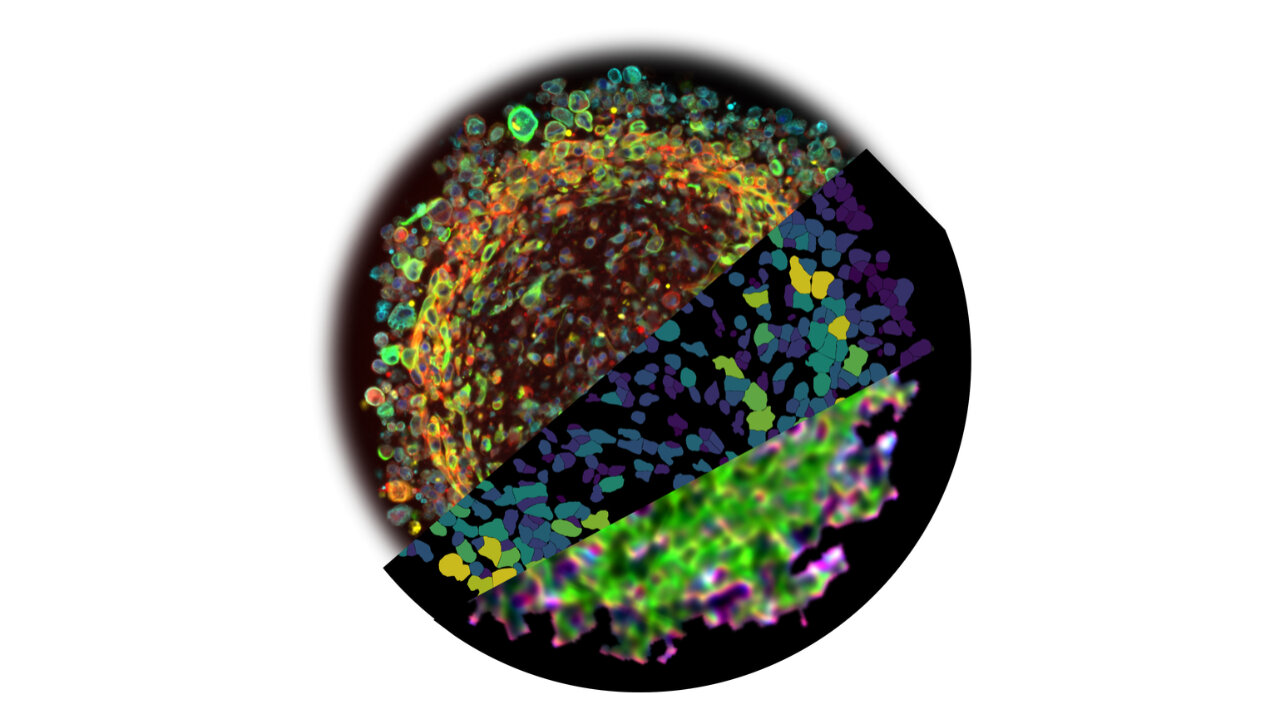
Using a preclinical model of melanoma metastasis, Mayo Clinic researchers studied lymph nodes that drain the area around a tumor following checkpoint immunotherapy.
Source link