This article has been reviewed according to Science X's editorial process and policies. Editors have highlighted the following attributes while ensuring the content's credibility:
Glioblastoma (GBM) is the most common malignant primary brain tumor in adults and is one of the most aggressive and deadly forms of cancer. It is difficult for surgeons to fully remove GBM because it often has microscopic "tentacles" that extend from the tumor into healthy brain tissue. GBM is also hard to treat because it creates an immunosuppressive microenvironment that helps the cancer evade immune attack and resist therapy.
To improve treatments, scientists must better understand the mechanisms involved in this complex disease, but accurately modeling GBM in the laboratory remains a challenge. Even sophisticated models called organoids, designed to mimic the structure and biology of human tumors, fail to fully reproduce key features of advanced GBM. When culturing cells on Earth, gravity causes them to settle, creating conditions that can interfere with the formation of complex 3D structures. That is why a team of researchers at the University of Notre Dame, led by Meenal Datta, took their research to space.
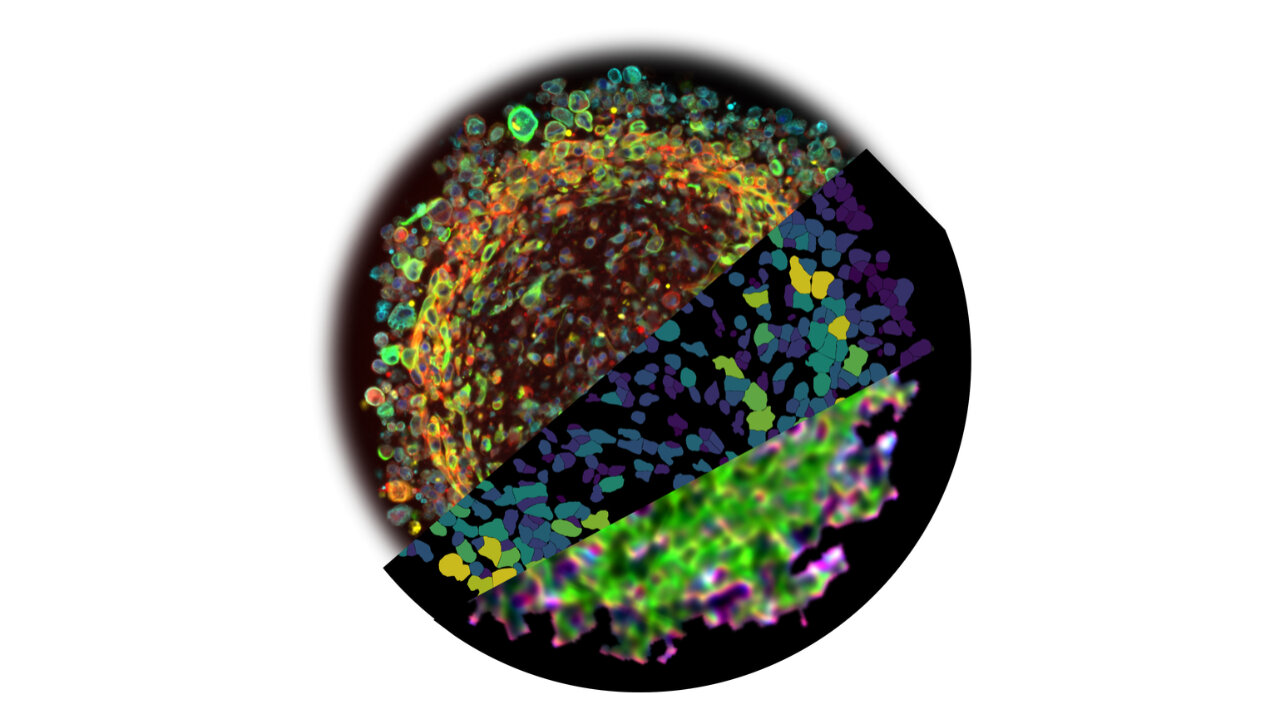
Leveraging the International Space Station (ISS) National Laboratory, the team grew three-dimensional organoids from GBM cells and innate immune cells that more closely replicate the structure and behavior of GBM tumors than organoids grown on Earth. In microgravity, cells can assemble into 3D structures with less interference from sedimentation, allowing researchers to better recreate the tumor architecture and cellular interactions seen in human disease.
Source link