This article has been reviewed according to Science X's editorial process and policies. Editors have highlighted the following attributes while ensuring the content's credibility:
A University of Kentucky neurologist is proposing a new diagnostic roadmap that could help doctors identify hidden brain cancers earlier and prevent patients from undergoing months of treatment for the wrong condition.
In a paper published in the Journal of the Neurological Sciences, Jagannadha "Jay" Avasarala, M.D., of the UK College of Medicine Department of Neurology, describes a workflow that adds cerebrospinal fluid (CSF) liquid biopsy to the evaluation of certain patients with suspected autoimmune encephalitis.
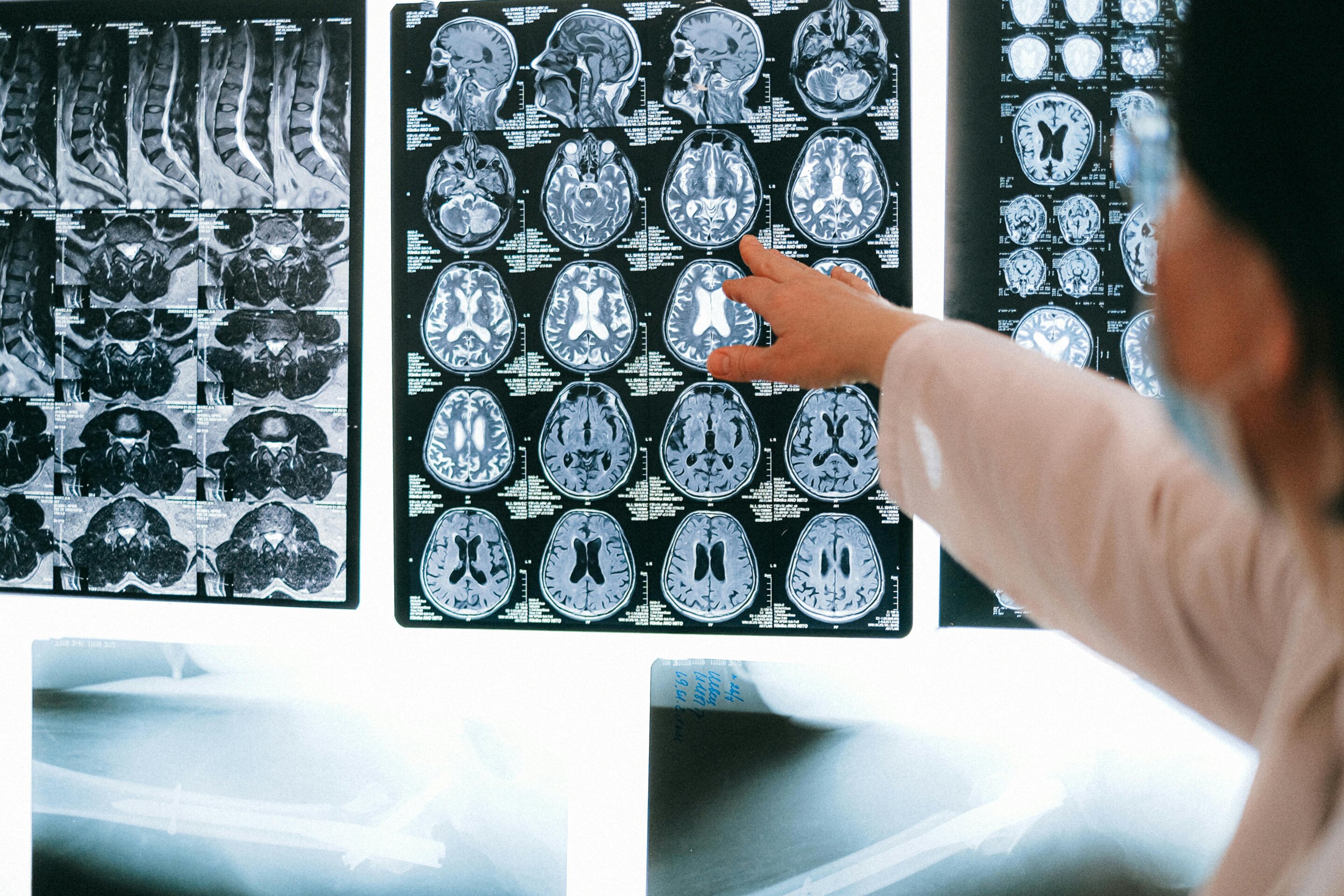
Autoimmune encephalitis occurs when the immune system mistakenly attacks the brain, causing symptoms that can include memory and behavioral changes, seizures and altered consciousness. Diagnosing the condition can be difficult because some cancers affecting the brain and central nervous system can cause similar symptoms and even look like inflammation on brain imaging and spinal fluid testing.
Avasarala says current diagnostic approaches are primarily designed to identify antibodies associated with autoimmune encephalitis, rather than cancer. When antibody testing is negative—known as seronegative autoimmune encephalitis—an underlying tumor can sometimes go undetected.
Research cited in the paper illustrates the potential consequences. In the largest multicenter study of autoimmune encephalitis misdiagnosis, brain tumors accounted for 9.5% of misdiagnoses, and patients waited a median of 16 months before receiving the correct diagnosis. One in five patients in the study experienced complications from immunotherapy they did not need.
Source link