This article has been reviewed according to Science X's editorial process and policies. Editors have highlighted the following attributes while ensuring the content's credibility:
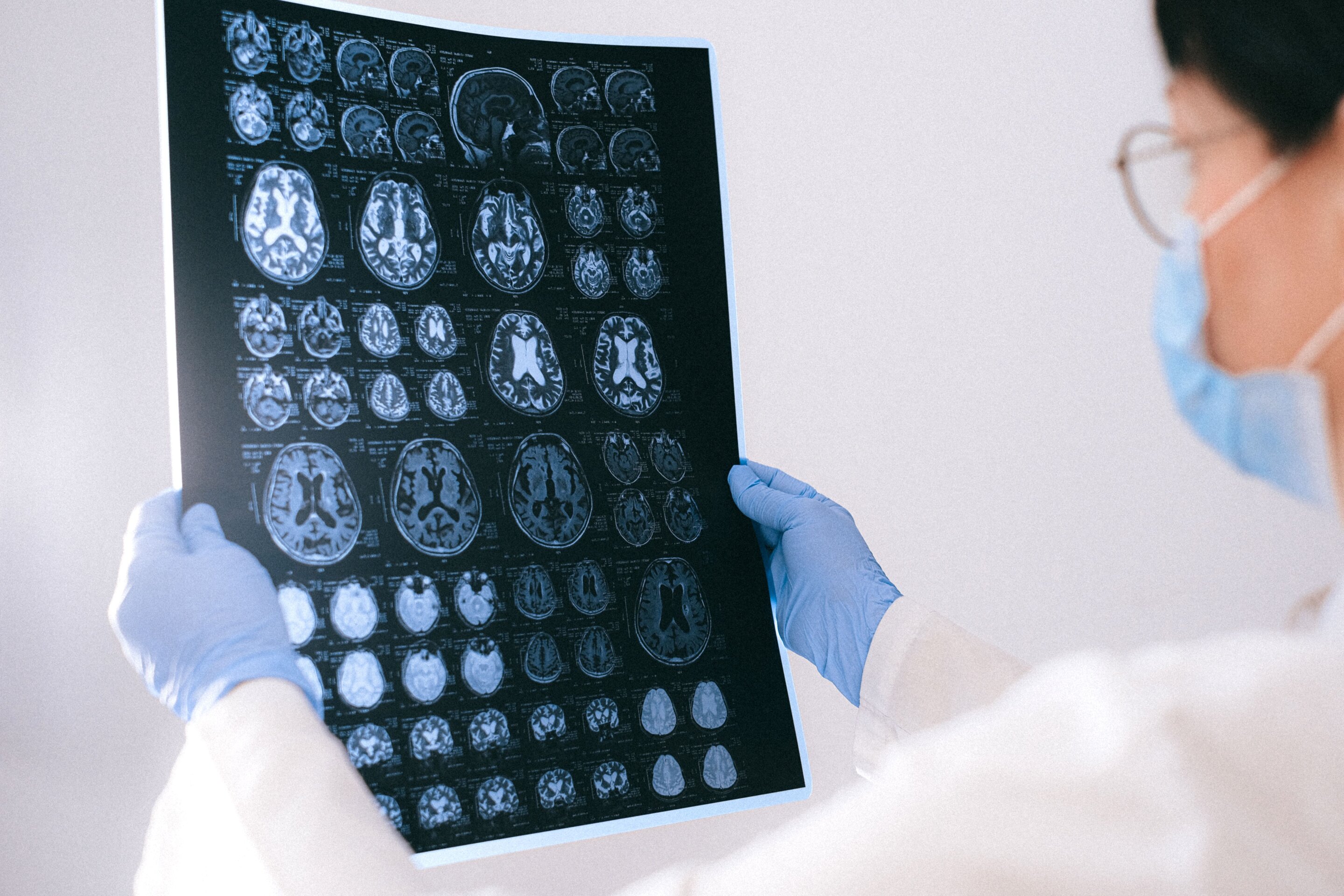
A person's capacity to regulate their emotions apparently cannot be determined by the activity of the prefrontal brain regions typically associated with this process. This is shown by an international fMRI analysis conducted by Dr. Maurizio Sicorello of the Central Institute for Mental Health (CIMH) and Prof. Dr. Carmen Morawetz of the University of Innsbruck, using data from 2,175 people across 40 studies. The study, published in Nature, challenges widespread assumptions about the neural basis of emotion regulation and highlights where task-based imaging reaches its limits when it comes to differences between individuals.
A supervisor criticizes a report in front of the entire team—you feel exposed and hurt. But if you tell yourself, "She takes my work seriously and wants the project to succeed," the same situation can lose some of its intensity. In psychology, this deliberate reinterpretation is called cognitive reappraisal. In the lab, it is usually studied by asking participants to reinterpret distressing images in a way that makes them seem less upsetting.
Cognitive reappraisal is one of the most extensively studied forms of emotion regulation. The capacity to regulate emotions appropriately in a given situation is crucial for mental health, and reappraisal itself is a core element of cognitive behavioral therapy. For years, brain imaging studies have shown that regions of the prefrontal cortex are particularly active during reappraisal. It was concluded from this that the strength of this activation also reveals how well an individual can regulate their emotions.
Source link