This article has been reviewed according to Science X's editorial process and policies. Editors have highlighted the following attributes while ensuring the content's credibility:
As a general practitioner, I know that chest pain is one symptom that makes people worry. The immediate concern is that it's a sign there's something seriously wrong—such as a problem with their heart or lungs.
But these aren't the only reasons that chest pain can happen. For many otherwise healthy people, especially those who exercise regularly, the sudden onset of chest pain may actually be caused by a painful, yet generally harmless, condition called costochondritis.
Costochondritis occurs when the tissue connecting the ribs to the breastbone becomes irritated. This causes pain at the front of the chest, usually close to the breastbone. Patients describe the pain as sharp, aching or sore, and it's often aggravated by stretching, twisting, exercise, coughing or taking a deep breath. The area is frequently tender to touch and pressing on it can cause pain.
Costochondritis is thought to be the cause of approximately 13% of general practitioner visits for chest pain. The condition is diagnosed based on a person's symptoms and examination.
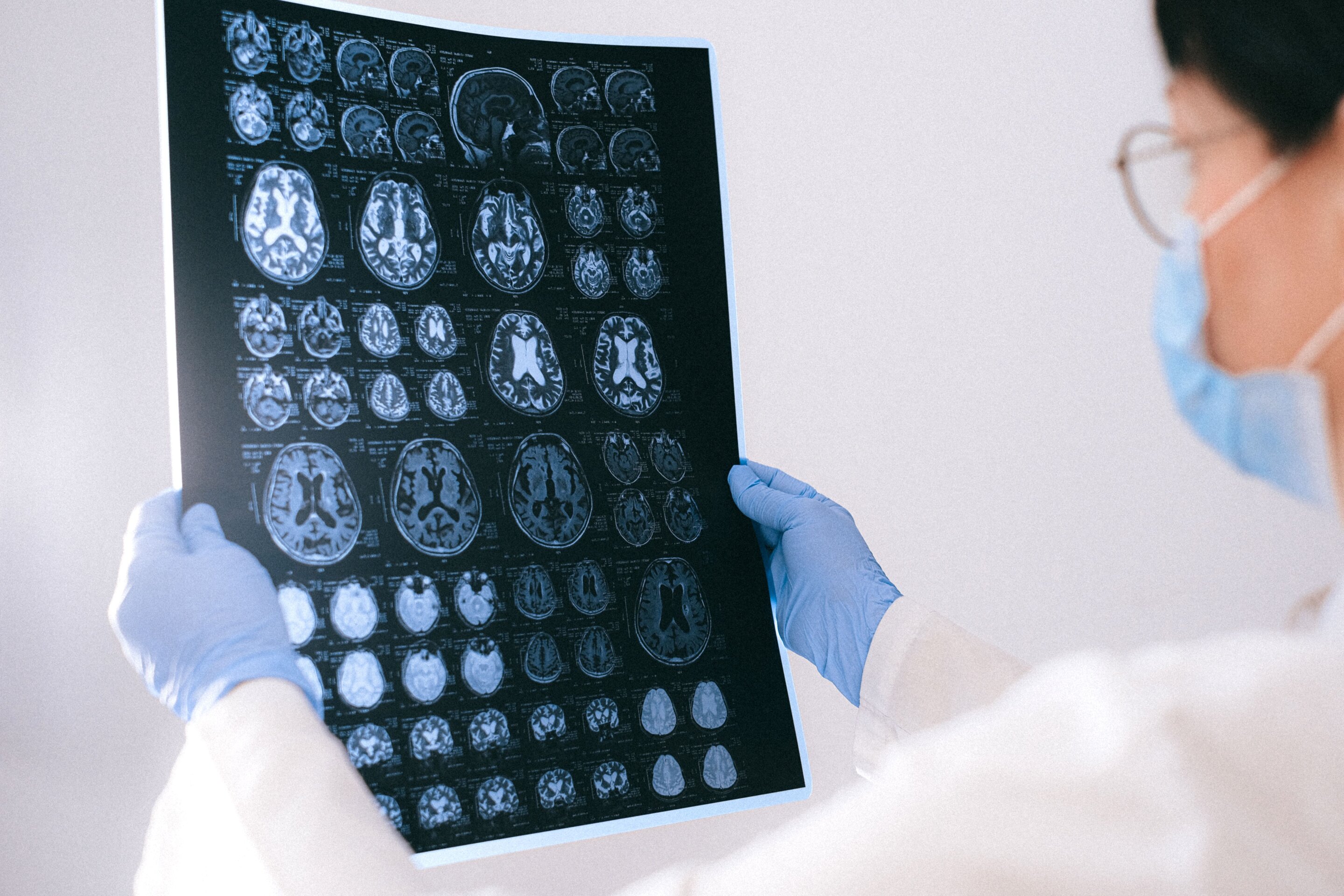
There's no specific blood test or scan that can confirm costochondritis. Instead, the diagnosis is usually based on a person's symptoms and a physical examination. However, tests such as an electrocardiogram (ECG), which records the heart's electrical activity, or a chest X-ray may sometimes be needed to rule out more serious issues . This is particularly important in people older than 35 and those with a history of, or risk factors for, coronary heart disease.
Source link