This article has been reviewed according to Science X's editorial process and policies. Editors have highlighted the following attributes while ensuring the content's credibility:
The heart is the hardest-working muscle in the body, beating constantly no matter what the body's energy reserves look like. Maintaining energy flow to the heart is a complex process that can break down during common but severe cardiovascular disease conditions like heart failure. Researchers previously knew that heart muscle seems to do an unusual metabolic trick to always get enough energy: using two carbohydrate energy sources, glucose and lactate, at the same time. In most human tissues, using more glucose makes it harder to use lactate, and vice versa, but the heart is different.
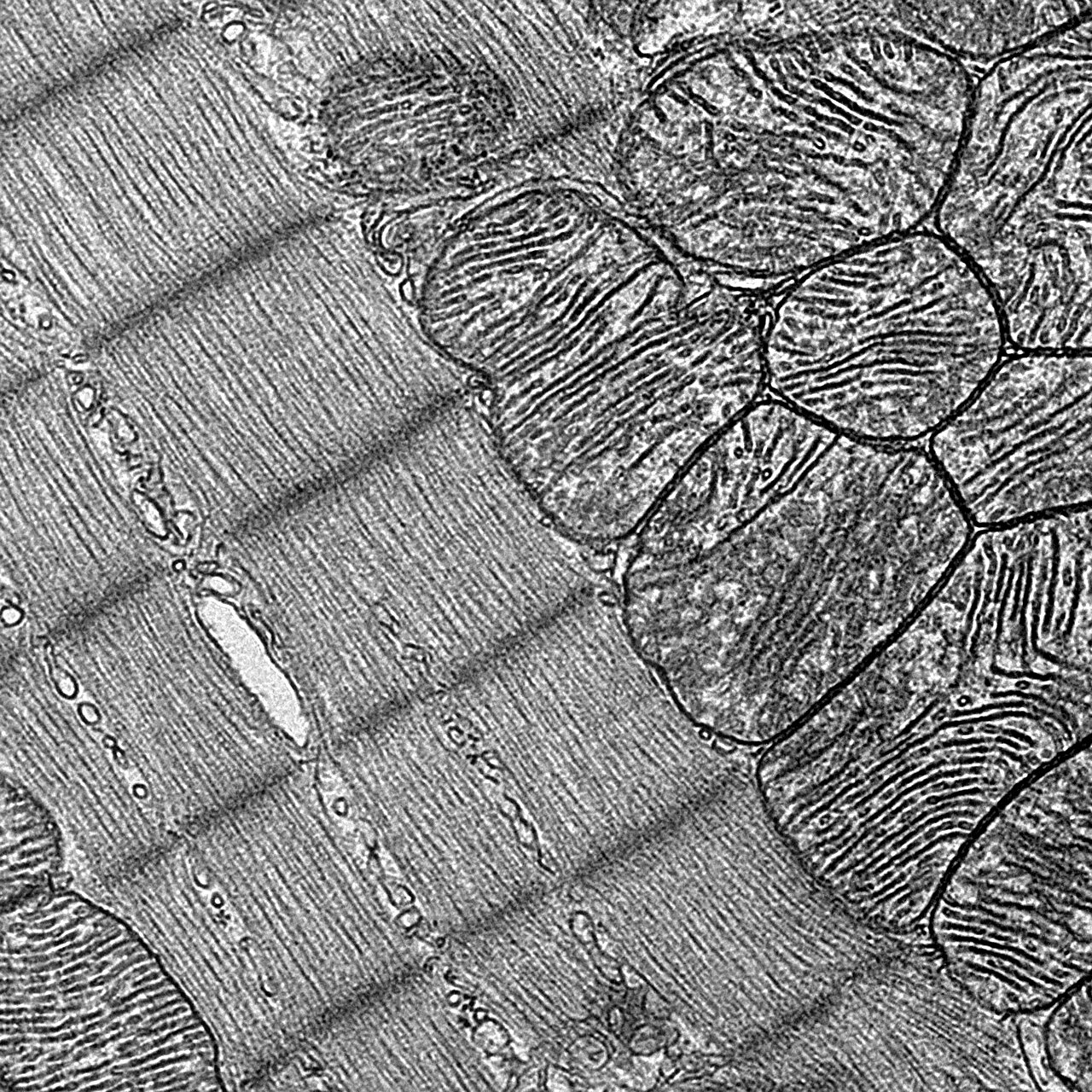
Now, researchers have found a unique cell-level difference that helps keep heart muscle fueled up: the ability to burn glucose in the cytosol (the main body of the cell) while burning lactate in the mitochondria (the powerhouse of the cell). This spatial separation allows both energy-generating reactions to happen simultaneously, helping keep the heart fueled up no matter the energy source. While mostly dispensable to daily life, this process is crucial to preventing heart failure when the heart is stressed.
"This appears to be a critical backup system for heart function," says Gregory Ducker, assistant professor of biochemistry at University of Utah Health and senior author on a paper describing the results. "In an emergency, we would really, really rely on this."
The researchers found that the separation between glucose and lactate metabolism depends on a molecule called MCT1 , which moves lactate to the inside of the mitochondria.
Source link