This article has been reviewed according to Science X's editorial process and policies. Editors have highlighted the following attributes while ensuring the content's credibility:
Celiac disease is an autoimmune condition in which the immune system reacts adversely to gluten. Eating gluten causes inflammation in the gut, which can damage the intestine and impair its ability to absorb nutrients.
The condition is treated by avoiding gluten entirely. Although many people with celiac disease adhere carefully to a gluten-free diet, current blood tests do not always show clearly whether inflammation or intestinal damage persists.
"Many people with celiac disease are very diligent in following the diet, but they still live with uncertainty because the blood tests do not always give clear answers about how the disease is progressing," says Jostein Holen Ibsen, a Ph.D. fellow and physician at the Norwegian Coeliac Disease Research Centre at the University of Oslo and the Clinical and Translational Coeliac Disease Centre at Oslo University Hospital.
In a new study, Ibsen and colleagues investigated whether proteins in the blood could serve as biomarkers of disease activity. Biomarkers are measurable substances in the body that may indicate health or disease.
The researchers analyzed 264 blood and tissue samples from people with celiac disease, collected before treatment and after one year on a gluten-free diet. They also examined samples from people without celiac disease. The samples were collected at Rikshospitalet between 2018 and 2024, and all participants had consented to their use in research.
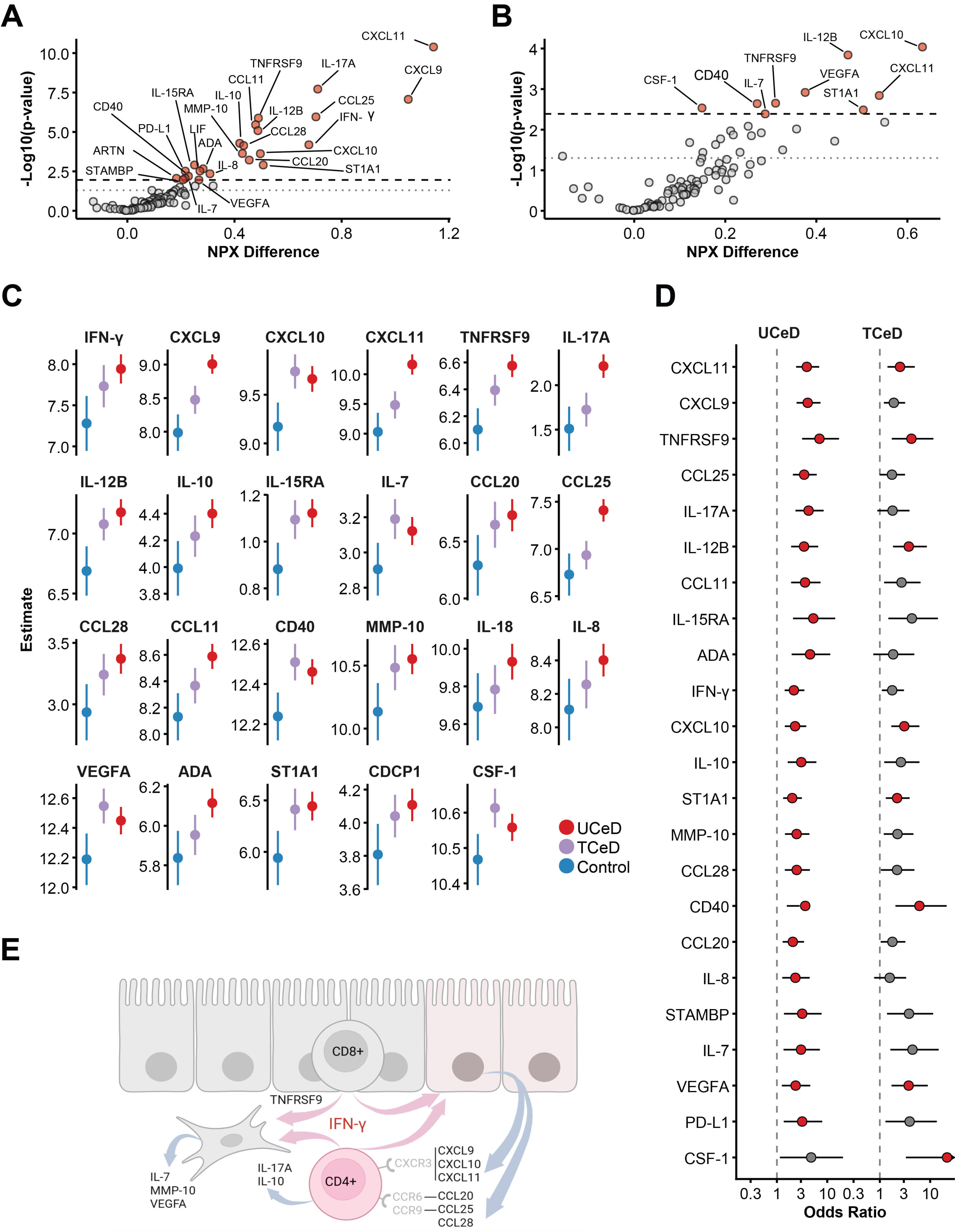
Using proteomics, a method that allows large numbers of proteins to be analyzed simultaneously, the team identified 24 proteins associated with celiac disease.
Source link