This article has been reviewed according to Science X's editorial process and policies. Editors have highlighted the following attributes while ensuring the content's credibility:
When the brain forms memories of past experiences, it typically encodes various information, including what happened, where it happened and the order in which events unfolded. The hippocampus is one of the primary brain regions involved in forming memories.
Past studies have found that special neurons in the hippocampus, dubbed time cells, become active at different moments during an experience. Their activity could encode the timing of events and the sequence in which they unfold.
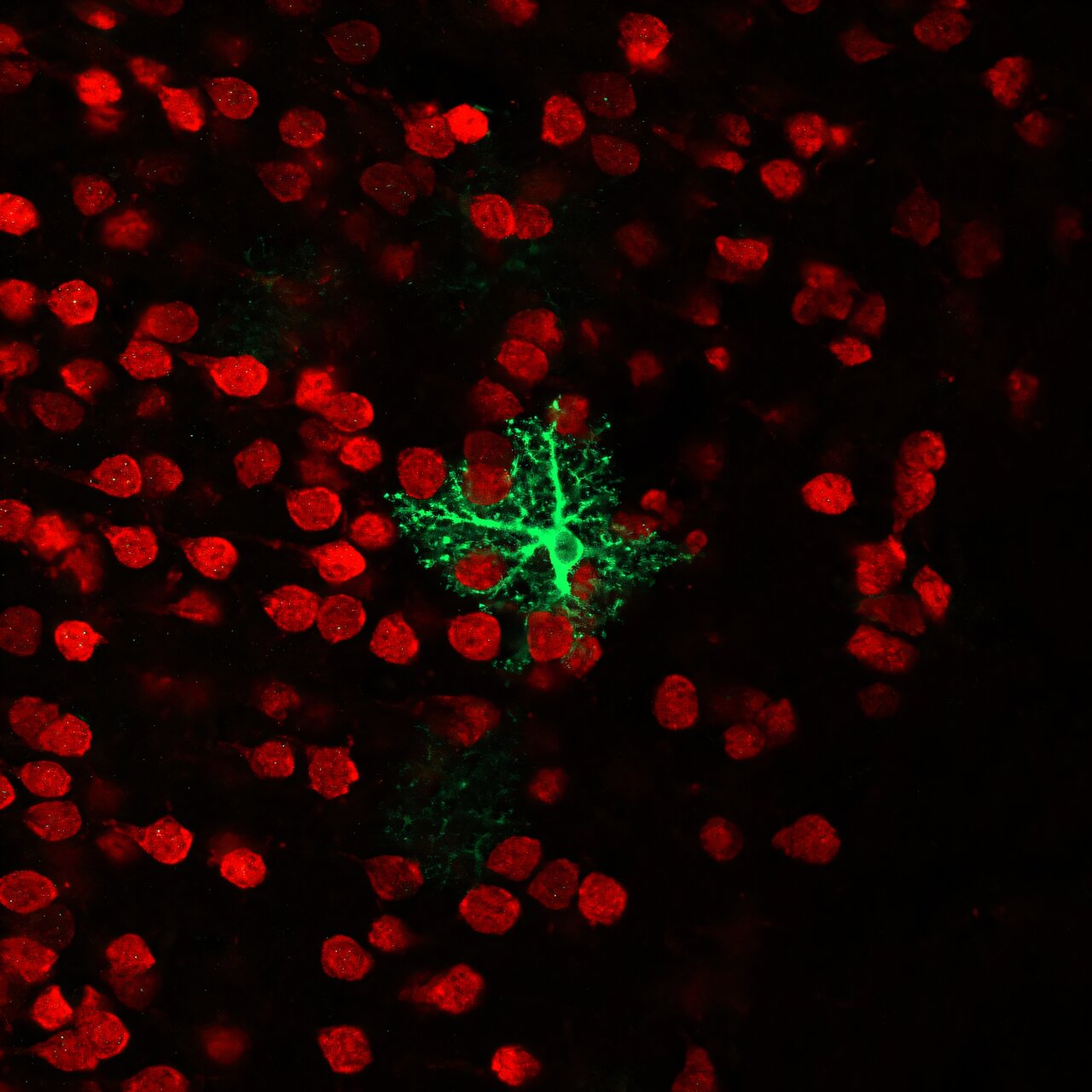
While the role of time cells in memory formation has been widely explored, the contribution of astrocytes remains largely unclear. Astrocytes are star-shaped cells in the central nervous system known to interact with neurons and help keep them functioning properly.
Researchers at Boston University recently tried to better understand the possible contribution of astrocytes to memories of frightening events. The results of their study, published in a paper in Nature Neuroscience, suggest that astrocytes in the mouse brain could help represent the timing of frightening experiences.
"We started our experiments by asking how the activity of non-neuronal cells contributes to memory," Rebecca Suthard and Ryan A. Senne, co-first authors of the paper, told Medical Xpress. "This work was largely exploratory at first, since astrocytic analysis at this level is still a nascent field.
Source link