This article has been reviewed according to Science X's editorial process and policies. Editors have highlighted the following attributes while ensuring the content's credibility:
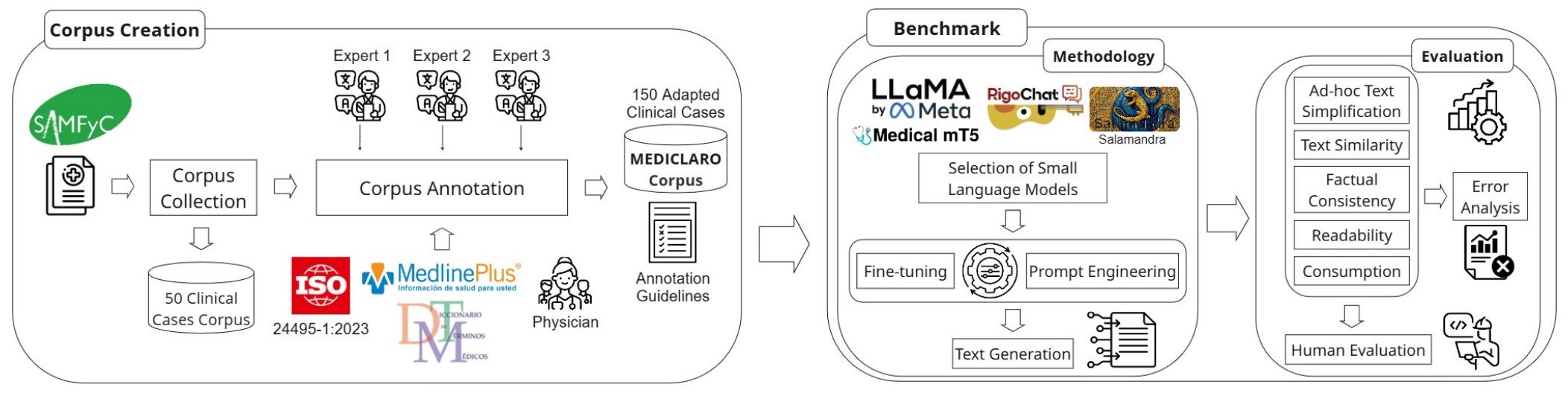
A team of researchers from the Universidad Carlos III de Madrid (UC3M) has evaluated various artificial intelligence (AI) language models to simplify medical reports and adapt them into clearer language for nonexpert audiences. This work will help patients better understand their health conditions and properly adhere to prescribed treatments.
The study, published in the journal Scientific Reports, stems from a widespread issue in modern society: many people struggle to comprehend their own medical reports, directly affecting their ability to manage their health. "We observed that 46% of European citizens face difficulties understanding medical documents. Therefore, we developed a set of tools to help improve doctor-patient communication," explains study co-author Paloma Martínez, full professor in UC3M's Department of Computer Science.
"To solve this problem, language models can generate one version of the document for medical professionals and another tailored for the patient, ensuring they can understand abbreviations or complex phrasing found in the report."
The research arrives at a particularly timely moment, according to the research team, given that Royal Decree 707/2026 will come into effect on Jan. 2, 2027. Published in the Official State Gazette (BOE) on Sept. 3, this decree approves the first regulations governing basic cognitive accessibility conditions. The regulation sets forth requirements to make documents, administrative procedures and services more understandable for citizens, impacting public administrations across fields such as justice, health care, employment, digital services and transport.
Source link