This article has been reviewed according to Science X's editorial process and policies. Editors have highlighted the following attributes while ensuring the content's credibility:
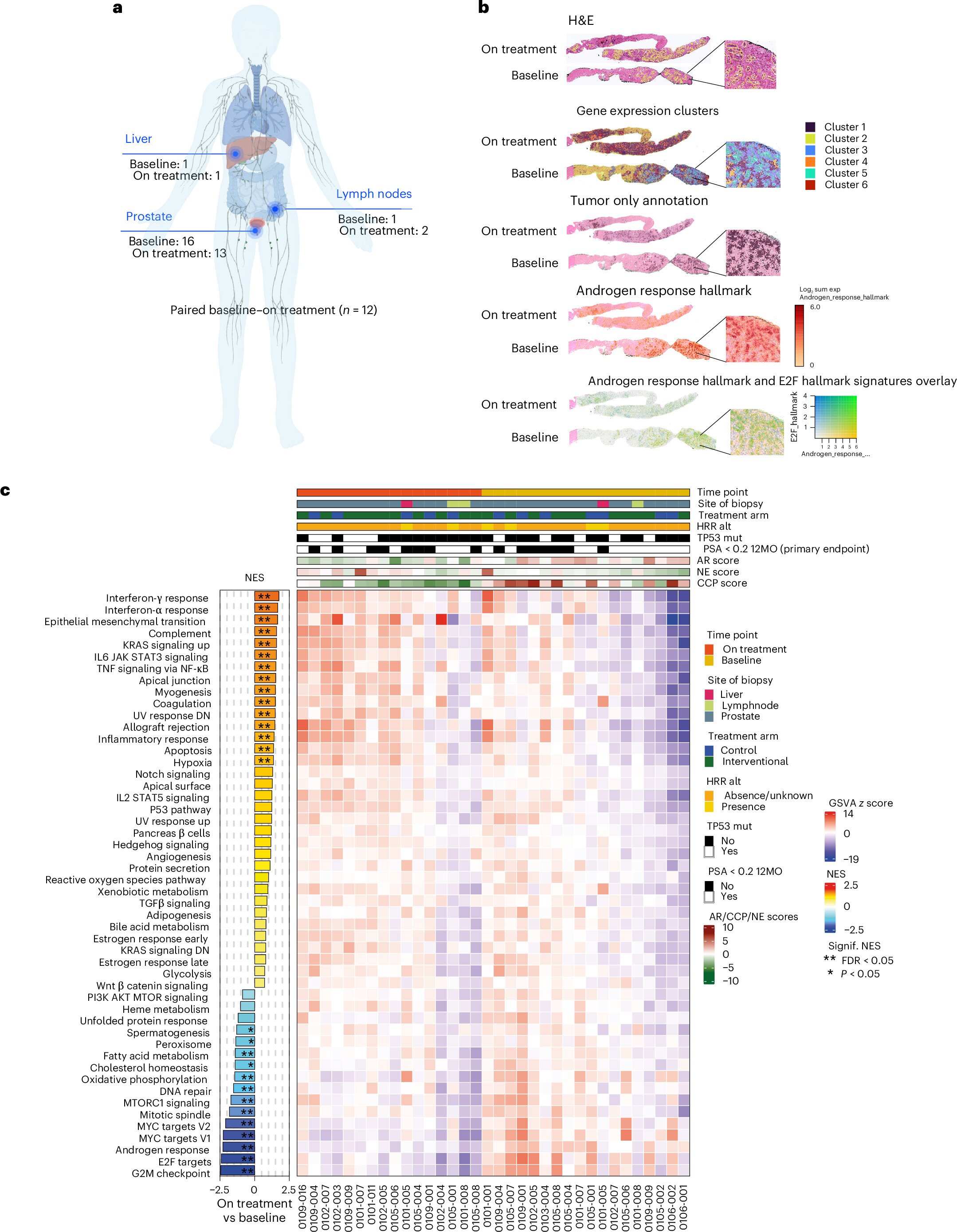
The prospective, multicenter, randomized phase 2 ZZ-FIRST clinical trial, led by the Vall d'Hebron Institute of Oncology's (VHIO) Prostate Cancer Group, evaluated the androgen receptor pathway inhibitor (ARPI) enzalutamide plus the poly(ADP-ribose) polymerase inhibitor (PARPi) talazoparib versus enzalutamide alone in patients with high-tumor-burden metastatic prostate cancer who had not previously received hormone therapy.
This work, the results of which were published in Nature Medicine, also included the study of tumor adaptation that leads to resistance to hormonal therapy, known as castration resistance.
With an estimated 1.5 million new cases and 397,000 deaths worldwide in the year 2022, prostate cancer is the world's second most frequent cancer and the fifth leading cause of cancer death among men, with worldwide cases projected to double by 2040.
Although most cases are diagnosed when the disease is localized, metastases are detected in up to 10% of patients—these cases account for more than half of prostate cancer deaths. Patients with metastatic disease initially respond to treatment with ARPI, but tumors frequently develop resistance leading to disease recurrence.
The ZZ-FIRST academic clinical trial included 54 patients with high-volume metastatic hormone-naïve prostate cancer (mHNPC) who were randomized 1:2 to receive the investigational enzalutamide-talazoparib combination (37 patients) or enzalutamide alone (17 patients).
1 months with enzalutamide monotherapy. The findings also showed that the time to PSA progression—a blood-based prostate cancer biomarker—and the development of castration resistance was longer in patients treated with the investigational combination.
Source link