This article has been reviewed according to Science X's editorial process and policies. Editors have highlighted the following attributes while ensuring the content's credibility:
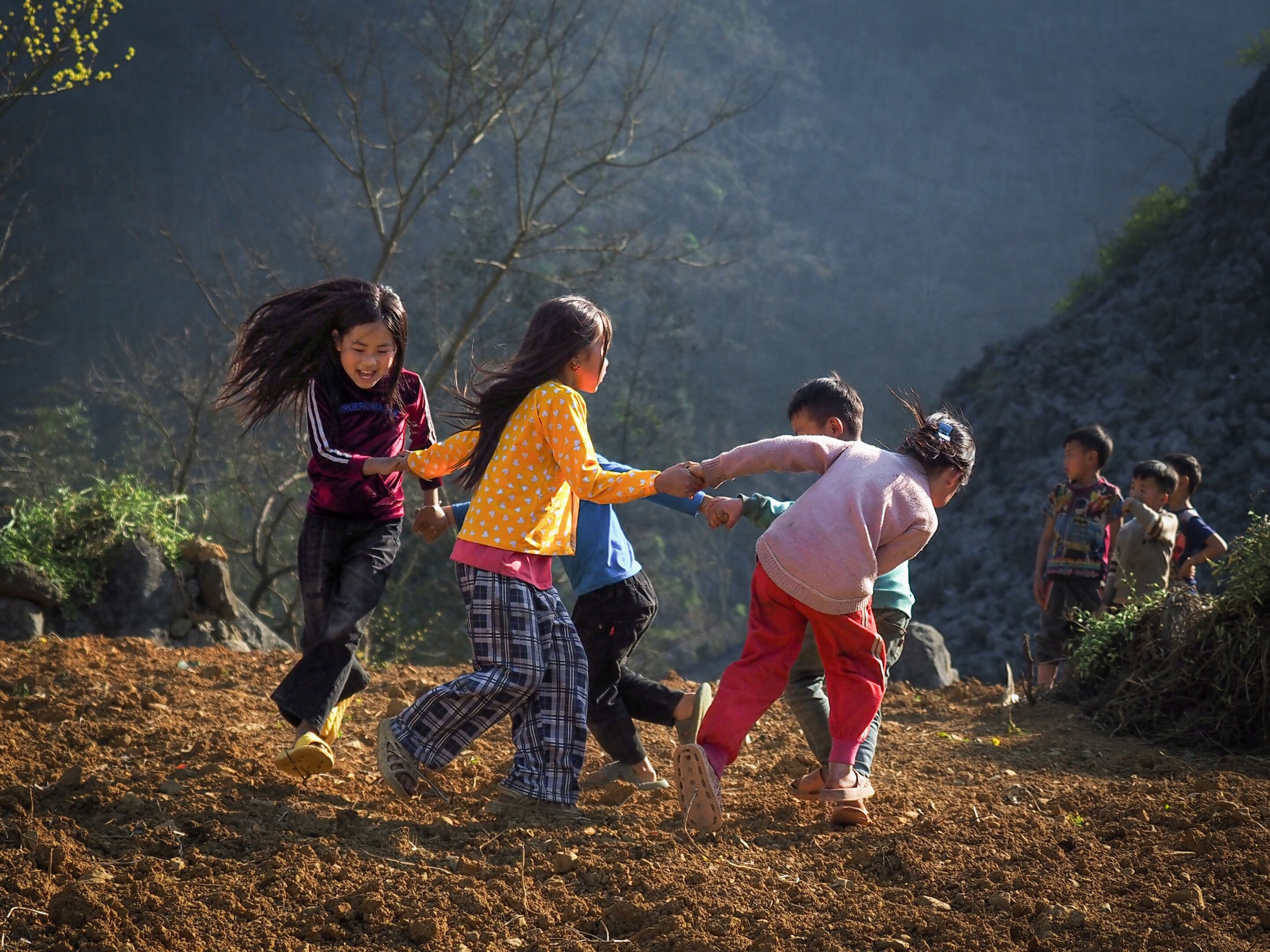
The biggest international study ever on risky play has found that children who have more opportunities for outdoor adventurous play tend to have better physical and mental health, as well as improved social and cognitive development.
An international team of researchers led by the University of Exeter and the University of British Columbia conducted the study, published in PLOS One.
Their research found that when children have access to environments that support outdoor adventurous play, like creatively designed playgrounds and natural spaces, their health is better across these domains, too.
The team also found that independent mobility (being able to go out without adult supervision) is good for children's levels of physical activity.
Adventurous play—also referred to as risky play because children are allowed to take risks within certain boundaries—is thrilling, exciting play and includes examples such as riding a bike fast downhill, climbing a tree, paddling in a stream and play fighting. The categories defining adventurous/risky play are height, speed, getting lost, dangerous elements (water, fire, etc.), dangerous tools (e.g., using a hammer, whittling with a knife) and rough-and-tumble play.
Helen Dodd, a professor at the University of Exeter and director of the Outdoor Play Research Centre, said, "If we deny children the opportunity to engage in the sort of play that previous generations took for granted, we take away rich learning opportunities linked to children's health and development, ultimately affecting some of the key issues we see around us today.
Source link