This article has been reviewed according to Science X's editorial process and policies. Editors have highlighted the following attributes while ensuring the content's credibility:
During fetal development, the human brain generates an excess of neurons, most of which are eliminated shortly before and after birth. New research from Harvard Medical School and Boston Children's Hospital suggests that this is a critical quality-control mechanism.
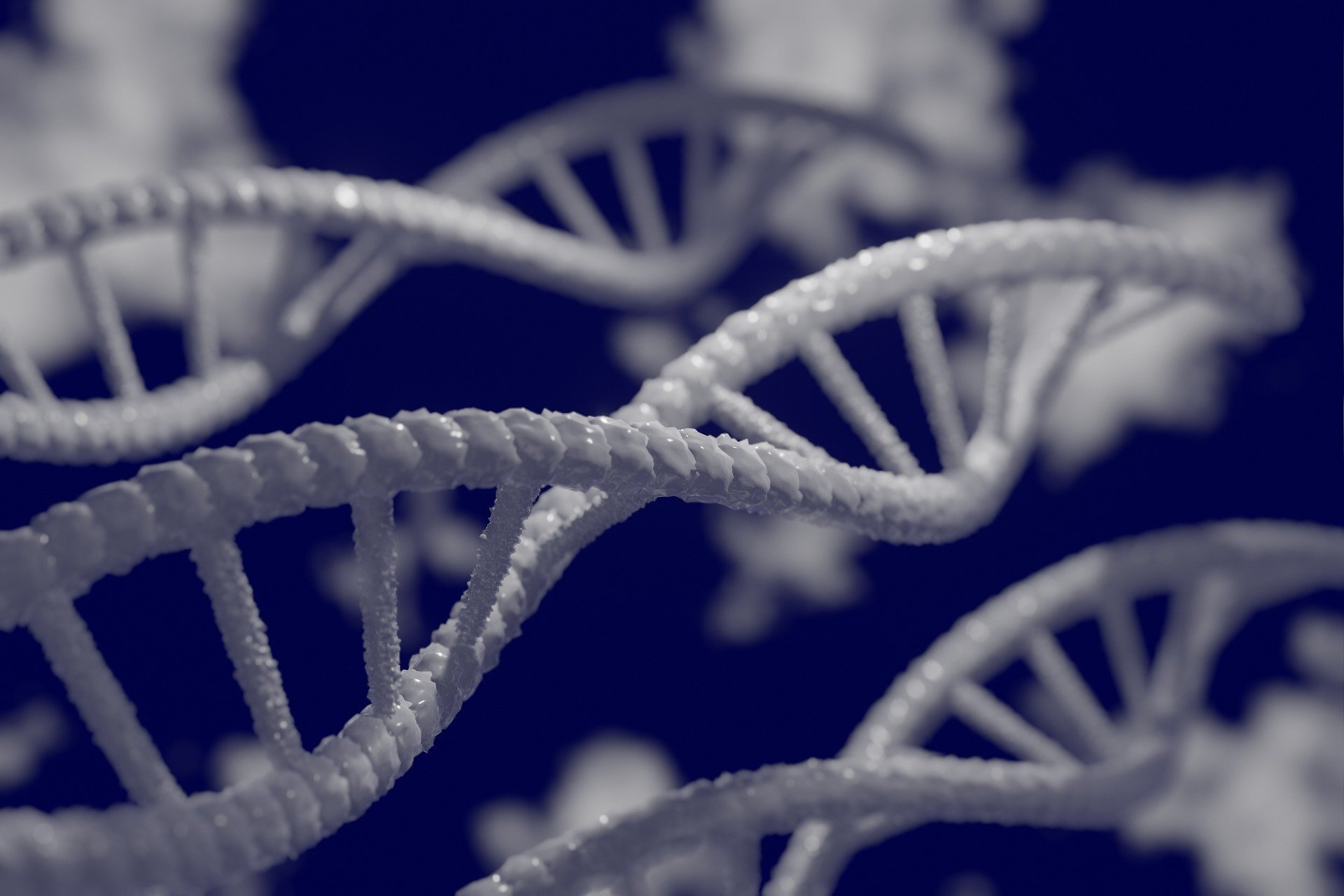
A study published in Nature shows that neurons with multiple copy number variants—abnormal duplications or deletions of segments of DNA—are surprisingly widespread in the developing brain. Copy number variants can impact brain function and may contribute to neuropsychiatric conditions, including autism, schizophrenia, epilepsy and intellectual disability.
But the research also shows that the vast majority of these flawed neurons are selectively eliminated, likely because the genomic alterations disrupt their ability to form synapses.
"Between 13% and 46% of neurons in the developing brain are riddled with copy number variants, but there seems to be a mechanism by which these abnormal neurons are eliminated around the time of birth," said co-senior author Peter Park, professor of biomedical informatics in the Blavatnik Institute at HMS.
The findings reveal an important process in the developing brain and could lead to a better understanding of autism and other disorders in which neural development goes awry.
"The brain is selecting for genomic integrity," said co-first author Diane Shao, HMS instructor of neurology at Boston Children's. "If that quality control system can be disrupted, that could be part of what goes wrong in neurodevelopmental disorders like autism.
Source link