This article has been reviewed according to Science X's editorial process and policies. Editors have highlighted the following attributes while ensuring the content's credibility:
A team from the Genomics and Transcriptomics of Synucleinopathies (GTS) research group at the Germans Trias i Pujol Research Institute (IGTP) has identified molecular changes in platelets associated with the progression of a rare case of early-onset Parkinson's disease. The study, published in Movement Disorders, highlights the value of these blood components as an accessible source for investigating potential biomarkers of disease progression.
The study's first author is predoctoral researcher Susanna Jiménez-Román, and it was co-led by Katrin Beyer, head of the GTS group, and Pau Pastor, a neurologist at Hospital Universitari Germans Trias i Pujol and a researcher in the same group. Researchers from IGTP, Hospital Germans Trias, the Universitat Autònoma de Barcelona and the Josep Carreras Leukaemia Research Institute contributed to the work.
The study describes a patient with early-onset Parkinson's disease and rapid progression to dementia who carries a triplication of a genomic region containing SNCA, the gene that encodes the protein alpha-synuclein. This alteration arose de novo, meaning it was not inherited from either parent, and spans a 2.41-megabase region containing 21 genes.
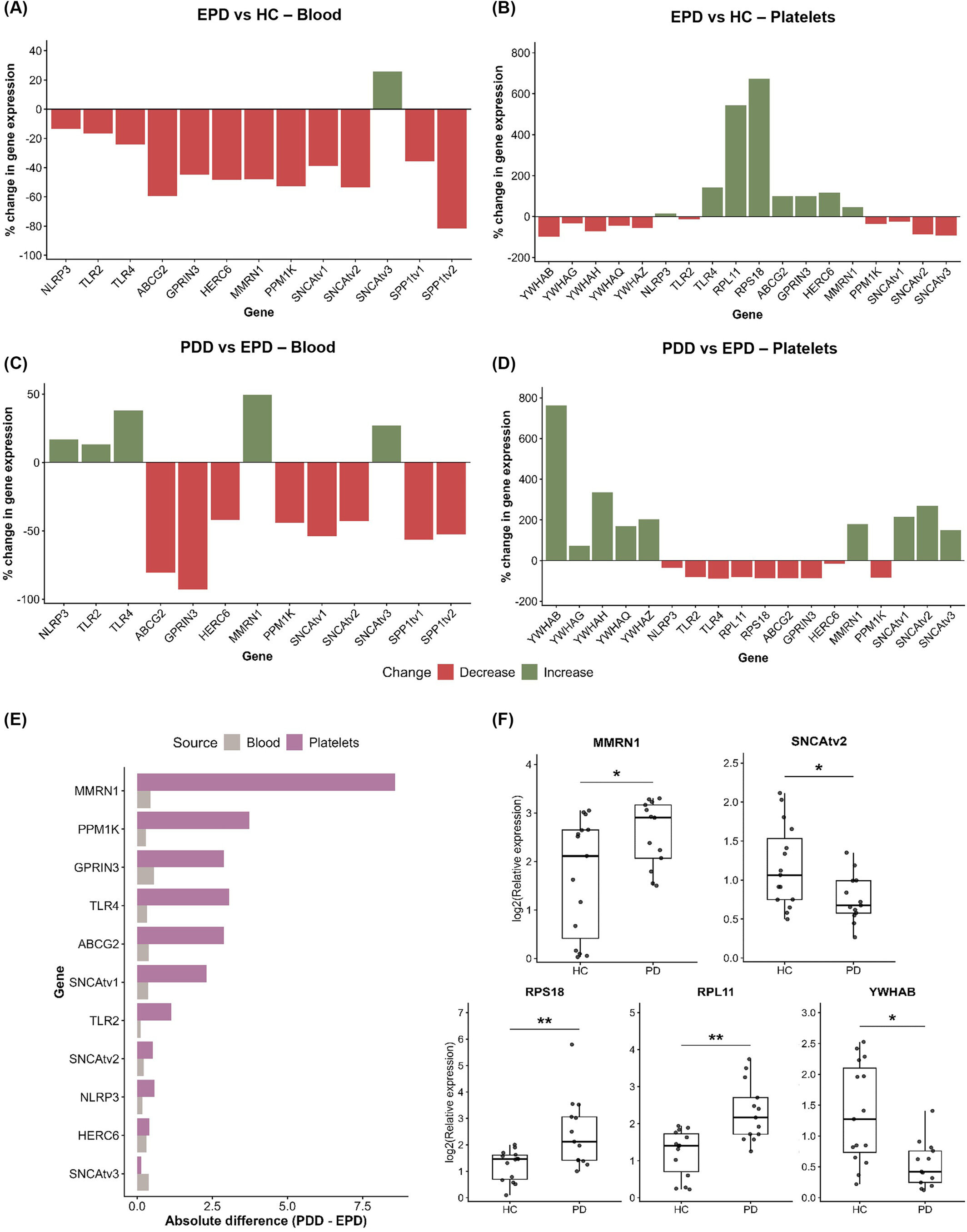
Following the patient over time allowed the researchers to compare gene expression —which provides information about gene activity—in the early stages of the disease, at the age of 41, and after the development of dementia, at the age of 44. The team observed more progression-associated changes in gene expression in platelets than in whole blood.
Source link