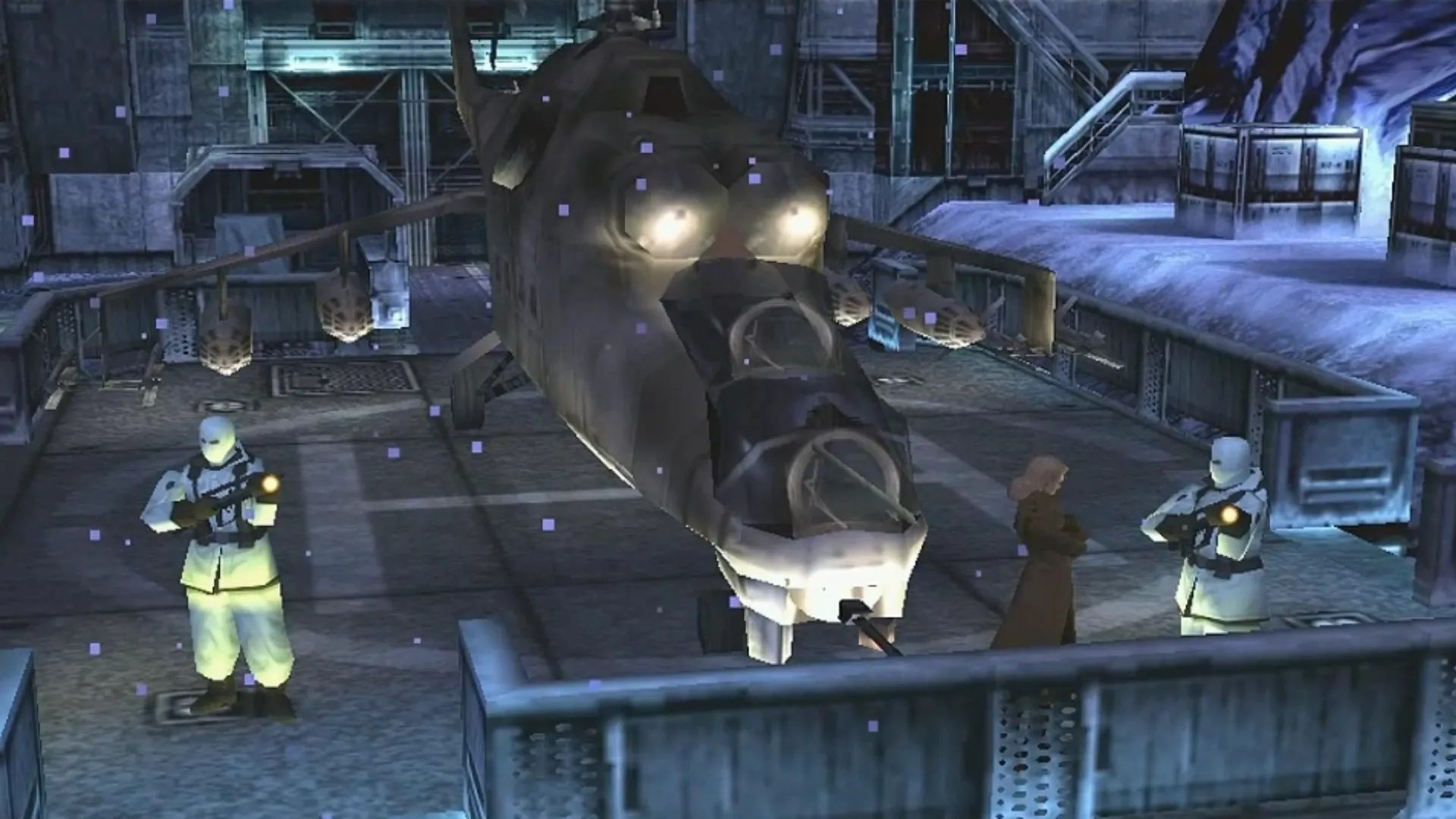
It's not exactly bold to say that Metal Gear Solid is one of the most important and influential video game franchises of all time. The series, which technically began with the 2D Metal Gear games on the MSX, exploded in popularity when it moved to the PS1 in 1998, adding "Solid" to the end of the title to mark the arrival of the third dimension.
Metal Gear Solid is exceptionally polished from both a gameplay and narrative perspective, especially when measured against the standards of its era. The late 1990s was a time of immense competition in the 3D action-adventure space, with landmark releases like Super Mario 64 and The Legend of Zelda: Ocarina of Time releasing during this window. However, Metal Gear Solid managed to be a cut above even these masterpieces thanks to its mature, sophisticated storytelling and playful sense of game design. These are the biggest factors behind Metal Gear Solid 1 still feeling great to play all of these years later, and no feature better encapsulates the game's unique brand of interactive storytelling than the Codec.
A Metal Gear Solid remake could modernize the PS1 classic, but one major part of the original may not survive those changes untouched.
In Metal Gear Solid , Snake communicates with his allies (and sometimes his enemies) via Codec, a fictional covert radio technology. A great deal of the game's narrative is conveyed through Codec calls , which will often halt the gameplay to further the plot. For instance, a character might call Snake to explain another character's backstory, or give Snake advice on where to go next.
Source link