

The practical effect is that an institution can now custody and stake HBAR, Hedera’s native currency, issue tokens via the Hedera Token Service, and run programmable instruments such as tokenised bonds, funds and stablecoins, all under the same due-diligence and risk framework it already applies to Taurus for custody. Clients of Taurus include Deutsche Bank, CACEIS and State Street.
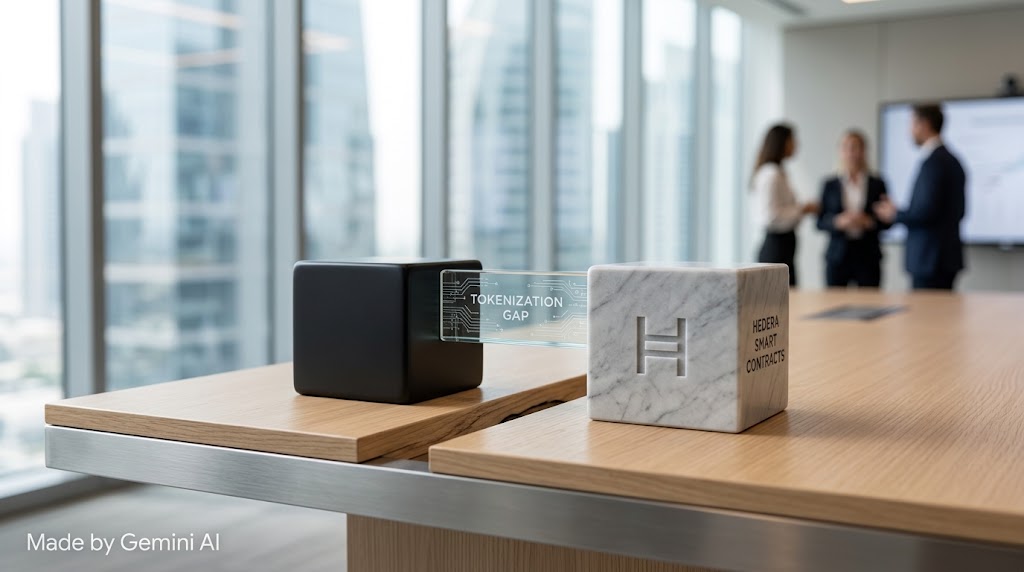
The announcement addresses a structural friction point that has slowed institutional digital asset adoption: the mismatch between custody infrastructure and tokenisation ambition. A bank that selects a custody provider for straightforward digital asset holding often finds that provider cannot support the programmable instruments it wants to issue later, requiring a separate vendor search, a fresh technology assessment and a new integration project at precisely the moment a digital asset strategy is gaining traction.
Lamine Brahimi, co-founder and managing partner of Taurus, described the commercial logic directly: “Financial institutions need infrastructure that can cover more than one digital asset use case. They want a single platform for the full spectrum of their strategy.”
The integration spans all three Taurus platforms: Taurus-PROTECT, Taurus-EXPLORER and Taurus-CAPITAL. It includes node infrastructure, native token issuance and smart contract deployment through Hedera’s EVM-compatible Smart Contract Service, which accepts Solidity and other standard Ethereum developer tooling. That compatibility matters because it lowers the barrier for third-party product builders, including tokenisation engines, stablecoin issuers and fund administrators, who can now run on Hedera under Taurus custody without deploying additional infrastructure of their own.
The announcement arrives as institutional tokenisation moves from pilot programmes to live procurement decisions.
Source link