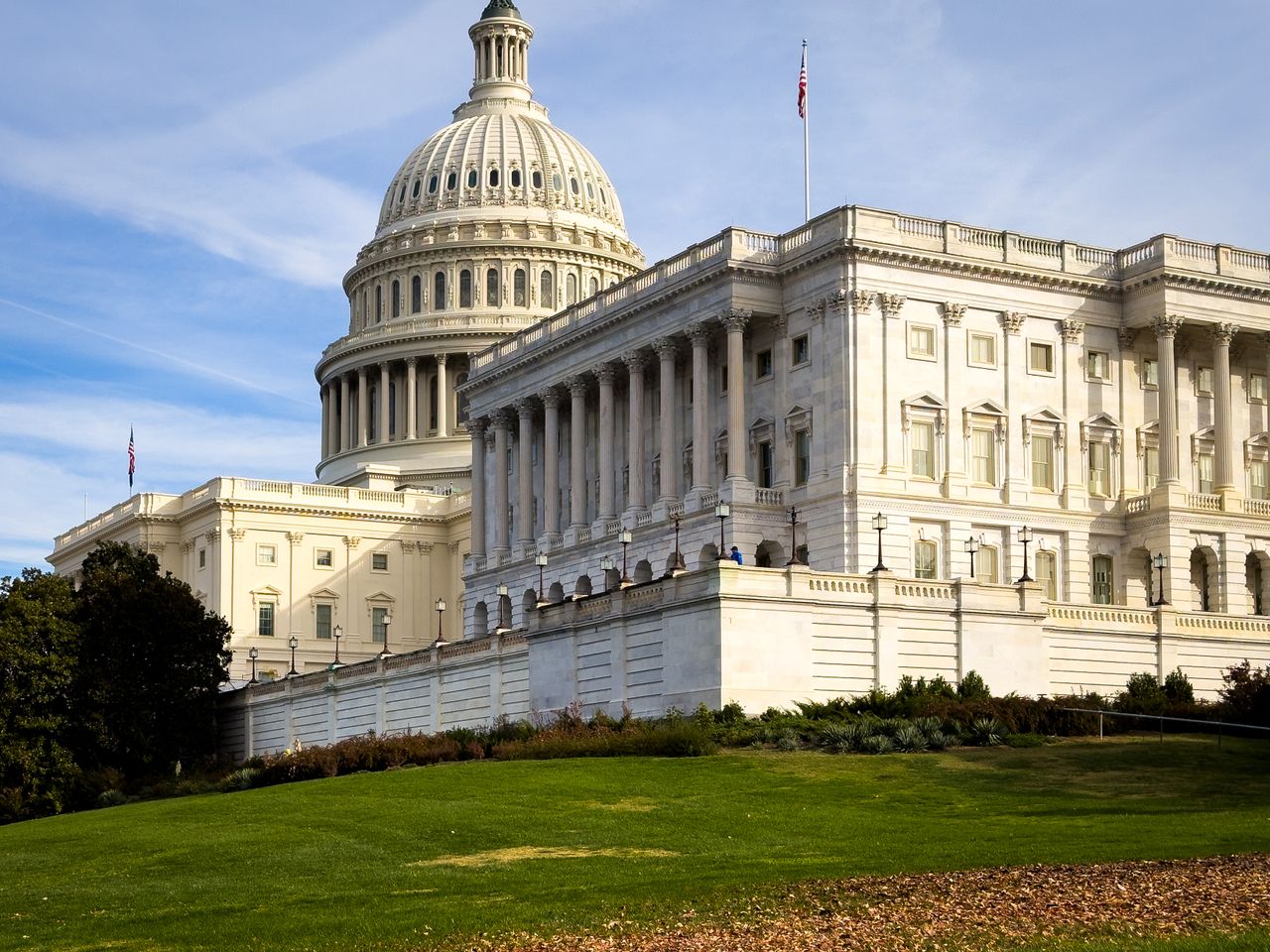
With the midterm elections only six-odd weeks away, control of the US House is one of the questions that will shape the next Congress. I wanted to think a little about what a future Democratic House might mean in terms of policymaking for banking, fintech, and financial services.
The biggest difference could be in the leadership of various House committees. For example, the House Financial Services Committee is currently chaired by French Hill, a Republican from Arkansas. Maxine Waters, a Democrat from California and the committee’s current ranking member, previously chaired the committee. If the Democrats control the House, Waters could again become chair.
As chair, Waters previously emphasized consumer protection, affordability, diversity/inclusion, and congressional oversight. More recently, she has raised concerns about bank safety and soundness, cybersecurity and the financial risks associated with AI, as well as cryptocurrencies and digital assets.
What could the committee accomplish? Oversight would be one of the committee’s most significant tools, along with the ability to issue subpoenas and compel testimony from banks, other financial institutions, and regulators. Hearings, investigations, and committee reports could provide additional opportunities to examine financial policy and bring those issues before the public and the press.
Given the acrimony between the parties, are there any opportunities for a Democratic House and the Trump Administration to work together on banking policy?
While Democrats and Republicans have very different priorities when it comes to banking and finance, there are some areas of potential compatibility. Both Democrats and Republicans have said that they support efforts to help reduce regulatory burdens on smaller financial institutions.
Source link