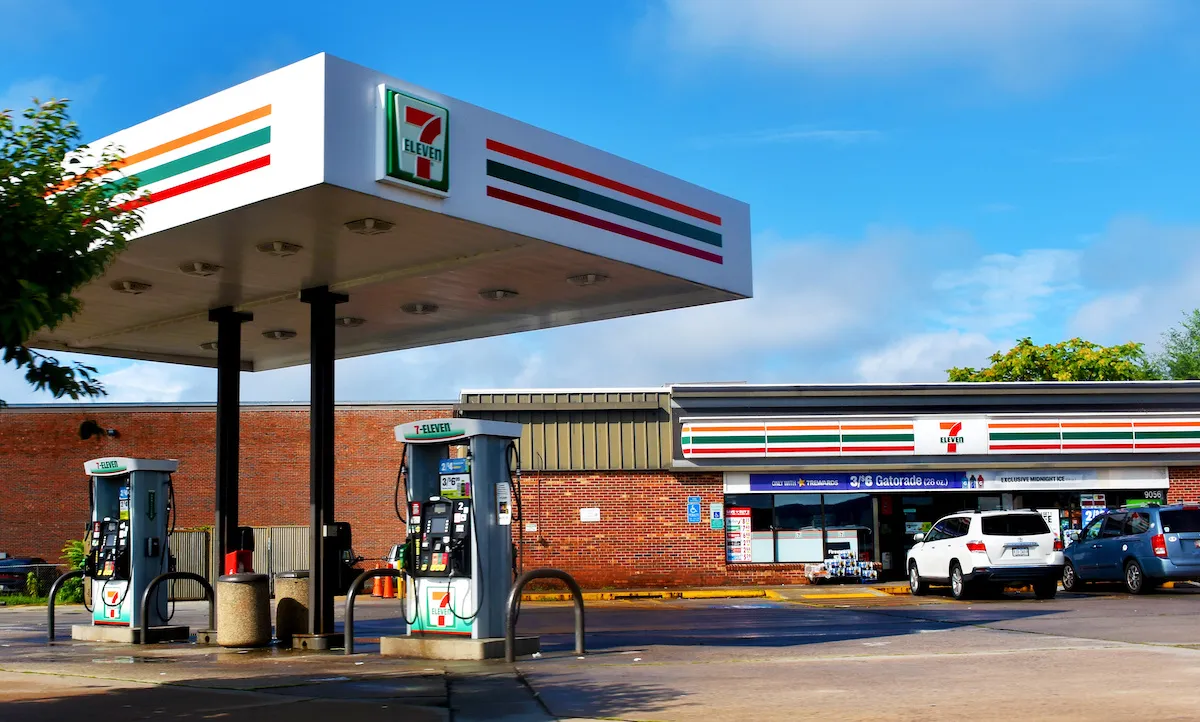
Convenience stores combine fuel, food service and retail operations that have traditionally relied on separate technology.
Payments can provide a common layer across activities spanning transactions, inventory tracking, loyalty and ordering.
Financial services widen the scope as stores handle bill payment, wallet funding and other forms of money movement.
Complete the form to unlock this article and enjoy unlimited free access to all PYMNTS content — no additional logins required.
A restaurant platform can be designed around menus, kitchens, ordering and tips. Retail software tracks merchandise, inventory and checkout. Fuel systems have their own pumps, pricing, authorization and payment requirements.
Convenience stores offer both challenge and opportunity for SaaS providers, as a single location can bring all those activities into a single point of contact.
A customer may authorize a fuel purchase at the pump, walk inside for groceries and order prepared food during the same visit. The operator must manage fuel, merchandise, food preparation, employees, loyalty and payments across those activities. Some locations also serve as places where consumers conduct financial transactions that have little to do with buying merchandise.
Software built deeply for one line of business thus must reach sideways into several others without losing the industry-specific functions that made vertical software useful in the first place.
Toast launched Toast Fuel in September, combining in-store and at-the-pump fuel payments with retail and food service capabilities, PYMNTS reported Sept. 29. The platform also includes pump controls and technology for food operations, digital ordering and inventory.
Walmart is approaching one piece of the same physical environment from the payments side.
Source link