
Volkswagen Group could save up to five billion euros if it adopted the China-developed CEA electronic architecture in its European volume models. However, the plan is to form a software alliance with Rivian for models outside China. This has sparked debate on the Board of Management.
The Volkswagen Core brand group, which includes VW, Škoda and Cupra, must improve its financial results by around €12 billion euros by 2030 and reduce planned investments by nearly €15 billion. Against this backdrop, brand chief Thomas Schäfer and China board member Ralf Brandstätter have proposed using the CEA electronic architecture – developed for the Chinese market – in future European vehicles such as the ID.Golf, ID.Passat or Škoda Enyaq. According to Manager Magazin, insiders say that the focus is on high-volume segments on the new SSP platform, ranging from models the size of an ID. Polo up to those the size of a Tiguan. Estimates suggest this covers three-quarters of all future electric vehicles in the group.
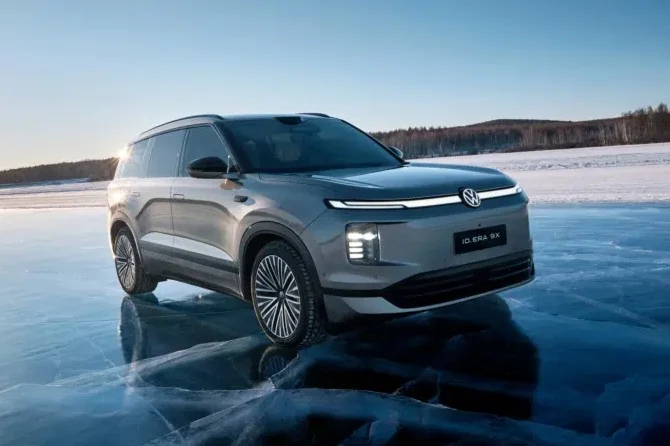
The CEA architecture was developed at the Volkswagen China Technology Company (VCTC) in Hefei in collaboration with Xpeng. With VCTC CEO Thomas Ulbrich – who implemented the partnership with Xpeng and made the CEA system production-ready for the VW Group – Schäfer has another advocate. The system has already been successfully deployed in China in models like the ID. Aura and ID. Era, while European software platforms at Audi and Porsche have repeatedly caused delays.
The architecture planned for future use from Rivian is also significantly more expensive than the solution from China.
Source link