ESR said the acquisition strengthens its capabilities in adjacent infrastructure for capital partners and customers, positioning the company across logistics real estate, data centres and renewable energy as demand for all three becomes increasingly interconnected.
“As demand for logistics infrastructure, data centres, and power becomes increasingly interconnected, we see significant opportunities at the intersection of these sectors, with energy infrastructure becoming an increasingly compelling area for long-term capital deployment,” Pearce said.
Apurv Choudhary, group head of infrastructure at ESR, said the company intends to scale the platform while maintaining discipline on returns.
“Aquila Clean Energy APAC brings an experienced team and a high-quality and diversified renewables portfolio across key Asia-Pacific markets, which is strategically adjacent to ESR’s footprint,” Choudhary said.
“We intend to significantly scale the Aquila Clean Energy platform while maintaining a strong focus on returns and execution discipline.”
Roman Rosslenbroich, CEO and co-founder of Aquila Group, said the sale reflected ESR’s standing in the region.
“That ESR, one of the leading real asset owners in the region, has chosen to acquire this platform is a strong recognition of Aquila Group’s ability to attract talented management teams and build category-leading industrial platforms,” Rosslenbroich said.
Completion of the transaction is expected by the first quarter of 2027, subject to customary closing conditions and regulatory approvals.
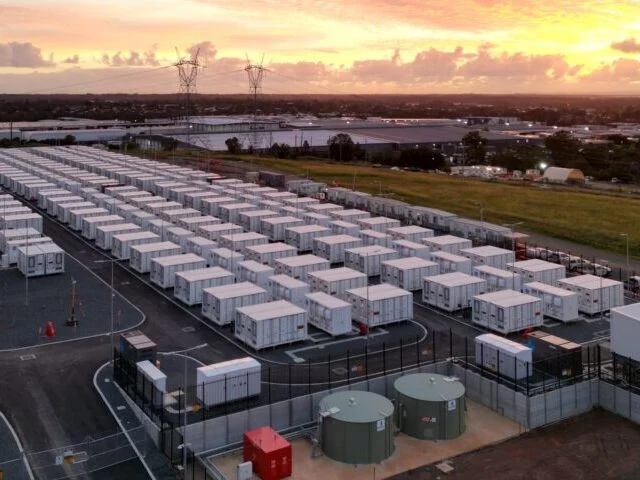
The acquisition comes as Asia-Pacific battery storage developers navigate a market that has grown rapidly but is now testing investor expectations around near-term returns.
Aquila Clean Energy APAC’s general manager of energy markets, Thomas Schmitz, told the Battery Asset Management Summit Australia 2026 last month that battery storage revenues in Australia’s National Electricity Market (NEM) had narrowed as arbitrage spreads compressed , warning that developers who built financial models around anticipated coal plant closures were now absorbing the consequences of those closures being delayed.
Source link