Capacity in the application stage more than doubled, and the developer-led implementation stage, which sits outside AEMO’s role in the connections process, grew by 30%.
Efficiency gains accompanied that volume. The average duration for an AEMO application review improved by 9% to 8.6 months, while commissioning reforms delivered a 10% reduction in commissioning time, to 4.5 months.
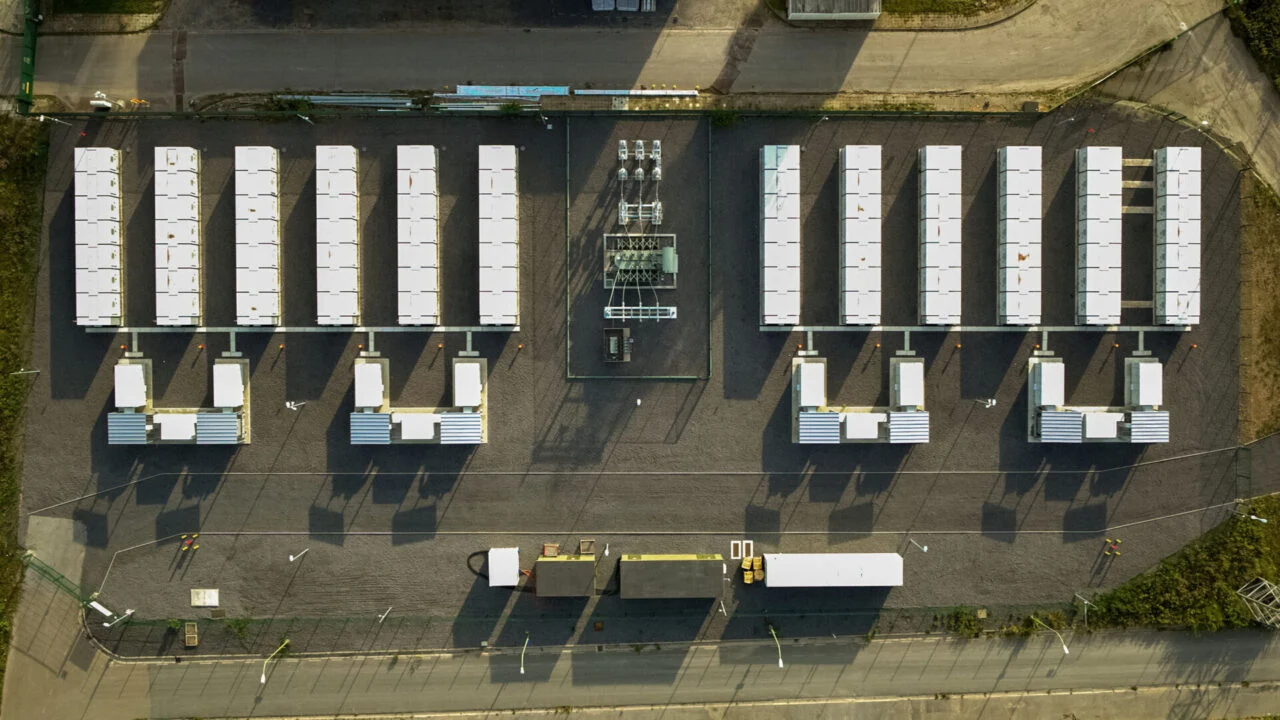
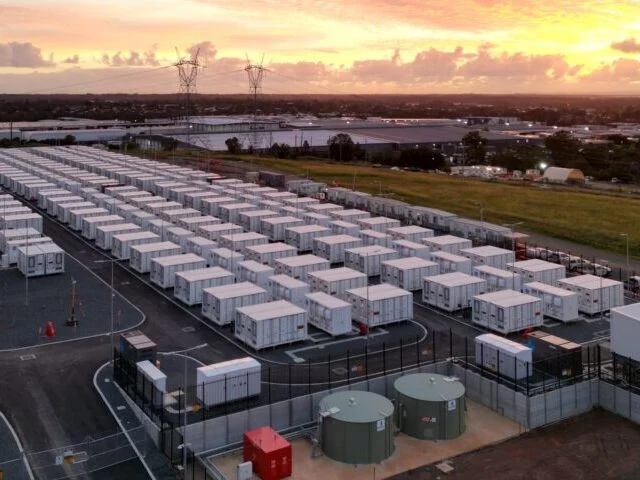
The report notes the WEM saw its own record volume of connections, with 835MW of new capacity commissioned during the year, including three new grid-scale battery storage projects, and 1.4GW of installed grid-scale battery capacity across the market.
Across the NEM, renewable energy generation, including rooftop solar, accounted for 46% of total generation over the year, exceeding 50% in Q2 of FY26 and setting a new instantaneous renewable energy contribution record of almost 80% for a half-hour period on 11 October 2025.
In the WEM, renewable energy generation accounted for 40.8% of total generation and reached an instantaneous record of 91% on 20 December 2025.
The report states that the expanding capacity of battery storage, both grid-scale and residential, is shifting excess renewable energy generated during the day into evening peak periods, reducing reliance on coal and gas-fired generation while providing essential system services.
Gas-fired generation on the east coast reached historically low levels during the first half of 2026, with the growing role of batteries in meeting evening peak demand cited as a key factor behind lower wholesale electricity prices and reduced price volatility.
The report is explicit that investments in reliability and system security must be made ahead of, rather than in response to, known transition points.
Source link