

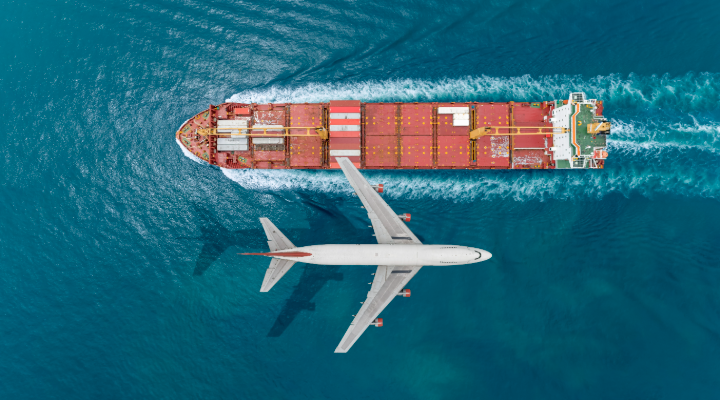
Australian retailers are ready to sell into new markets and source freight from more origins than ever. The systems supporting them often lag behind the rest of the organisation.
A new launch of your product at a new retailer in the US. Your container is set to arrive today, all seems well. Until the message from the 3PL drops: “What is the ETA?” You message your forwarder to find out the container has been stuck in Singapore for weeks. No one knew. Your spreadsheets seemed up to date, you manually checked it against the purchase orders and updated the ERP already by hand. Still, there is a gap.
That gap is small on any single shipment. Multiply it across every lane a retailer runs, and it becomes the reason international growth feels so much harder than it should.
Domestic freight is predictable. You know the carriers, the transit times, the paperwork. Expand into a new country and none of that holds. Transit times shift by origin and by season. Customs rules differ by product category and by destination, and getting them wrong means delays or duties you didn’t budget for. Time zones turn a quick question into a 12-hour wait for a reply, and a same-day exception into a lost day.
Supply chain teams manage this the only way most tools let them: Manually. Someone matches carrier tracking numbers to purchase orders, in the hopes that the full purchase order is shipped. Someone reconciles customs status against what’s in the ERP.
Source link





