

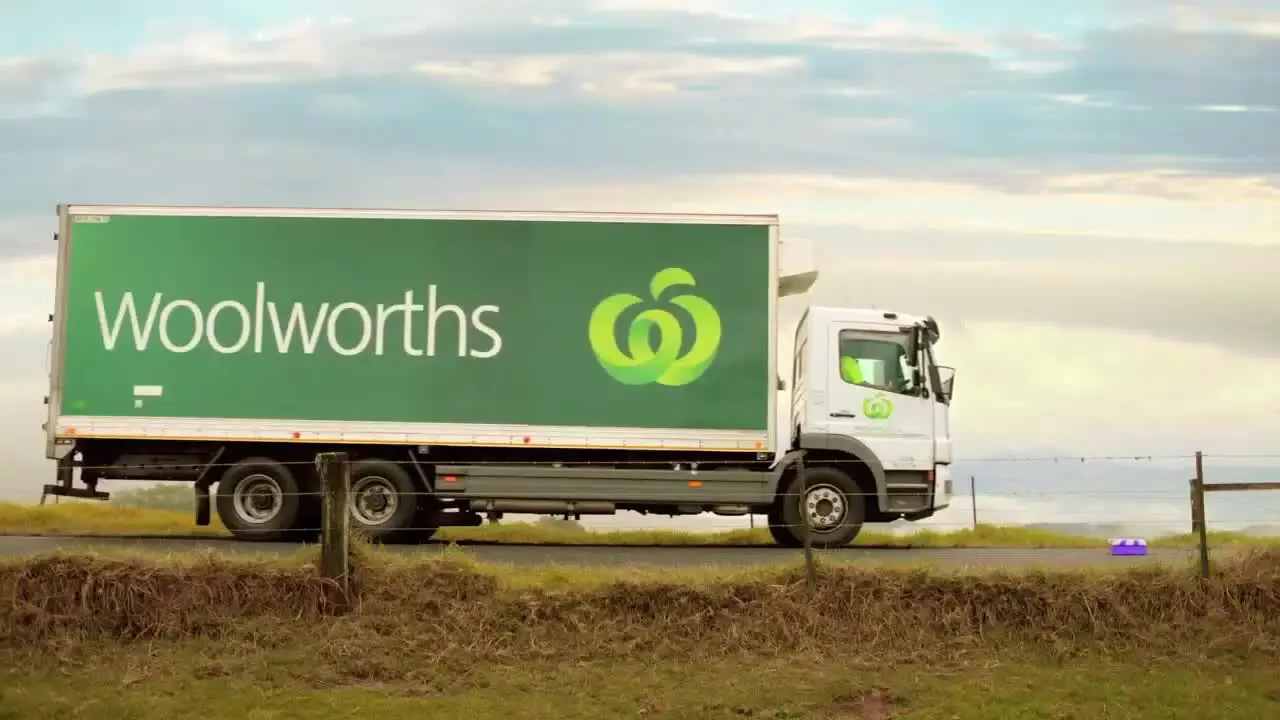
Woolworths sharply increased the fuel levy charged to major food and grocery suppliers for trucking services in October 2026, threatening a fresh round of supermarket inflation.
The supermarket giant raised the freight charge to nearly three times its previous level, applying the steeper rates across both metropolitan and regional transport routes.
New freight charges apply directly to primary distribution networks moving shelf-stable goods, fresh produce and cold-chain items into distribution centres. Woolworths calculates the levy on top of base haulage agreements. It adjusts the rate against diesel price movements.
Suppliers using Woolworths Primary Connect logistics services now face the full pass-through of regional transport spikes. The charges hit both metro delivery legs and long-distance linehaul runs. Consequently, volume manufacturers operating distributed factory networks bear the steepest cash impact.
Consumer goods companies operate on thin margins across the Australian supermarket sector. When trucking levies triple quickly, suppliers face two options. They can absorb the cost and accept lower factory margins, or lodge formal wholesale price rise requests with supermarket buying teams.
Retail buyers routinely reject or delay price adjustment claims from packaged goods vendors. This dynamic creates an immediate working capital drag for mid-sized food processors. Many rely entirely on supermarket distribution contracts to sustain production scale.
The distribution surcharge hits a supply chain already managing persistent cost pressure across packaging, utilities and agricultural raw materials. Retailers and manufacturers have struggled to contain shelf prices across dry grocery and dairy aisles over the past two years.
Australian households have absorbed four central bank interest rate increases this year alone.
Source link





