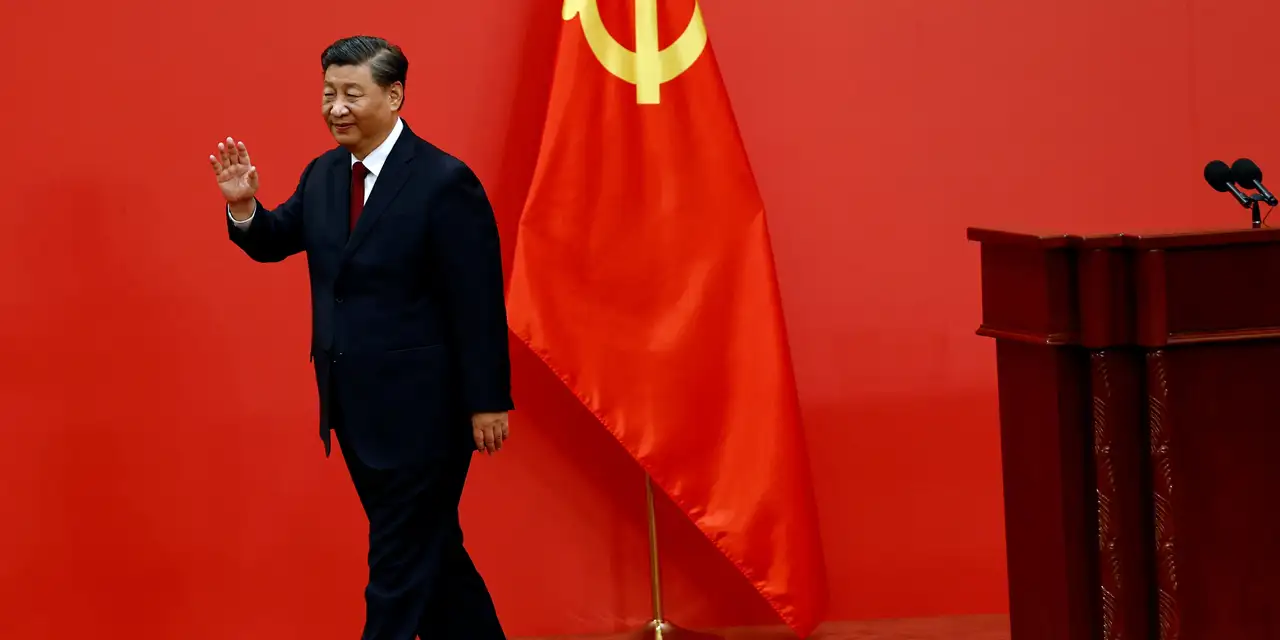
The United States and China have agreed to extend their bilateral trade truce through January 10, pushing back a deadline previously set for November 10 as heads of state opened their second summit of the year in Washington.
US Treasury Secretary Scott Bessent confirmed he and Chinese Vice Premier He Lifeng agreed to the two-month extension, providing temporary relief as US President Donald Trump and Chinese President Xi Jinping hold talks amid lingering tensions over tariffs, rare earth materials and artificial intelligence.
Negotiators spent the run-up to the summit narrowing the range of products exposed to sudden tariff spikes. The Manhattan meetings produced an understanding to exempt nonsensitive consumer and industrial lines from future escalations, aiming to insulate everyday trade from broader geopolitical tensions.
Bessent met with He Lifeng twice in four days to lock in the framework before official state ceremonies began at the White House. The Treasury stated that strategic stability between the two economies requires reciprocity, setting clear guardrails for subsequent negotiations covering specific import codes.
Prolonged tariff disputes have already redrawn key trade channels across the Pacific. American soybean shipments to China plunged from nearly $18 billion in 2022 to $3 billion in 2025, according to US Department of Agriculture data, reallocating massive bulk purchasing power to South American exporters.
7 million metric tons of soybeans in 2025 with roughly 80 percent bound for Chinese processors. For Asian supply chain managers, the shift shows how quickly commodity and consumer product pipelines reroute when trade barriers persist beyond initial negotiation cycles.
Source link