When the contents of this year’s Skims advent calendar were revealed in several creators’ unwrapping videos on TikTok over the weekend, one question seemed to dominate customers’ minds: “Why?”
Why would the multibillion-dollar brand produce a holiday gift that includes only a compact mirror, three key chains, two bra straps and a small assortment of hair accessories? And why would it cost $148?
It’s not unusual for an advent calendar‘s value proposition to be called into question after unsatisfactory unboxings surface online: Dior’s $3,500 one drummed up significant attention four years ago after it was revealed to be filled mostly with miniature products and trinkets that some consumers claimed they’d previously received “free with purchase.”
In 2024, Sephora’s Beauty Insider advent calendar was met with similar criticisms for costing 2,500 loyalty points and containing mostly small tools and tchotchkes.
“The pricing element does matter,” Allison Collins, cofounder and managing director of The Consumer Collective, said. “If I buy a beauty advent calendar and I’m willing to spend $300, truly am I getting $300 worth of stuff or more than that? And does that also help build my affinity for the brand because I feel like they followed through on what was advertised?”
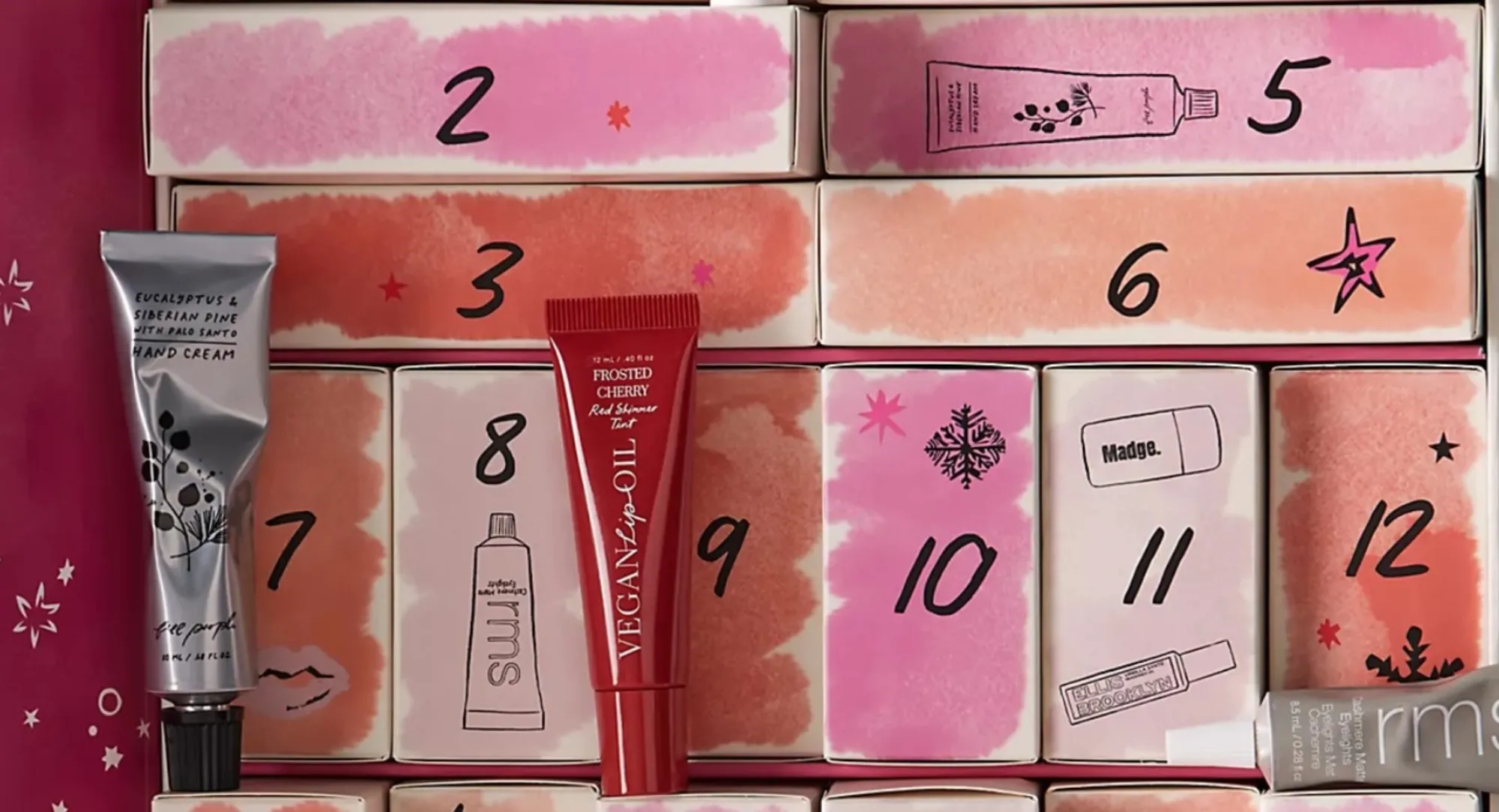
Beauty advent calendars generated $40.2 million during the fourth quarter last year, up 33 percent from the previous year, according to data from Circana.
This holiday season, recent Circana research shows that one-third of consumers report plans to buy beauty as a gift. However, they’re being intentional with their purchases and prioritizing affordable alternatives, meaning that the value proposition is becoming key.
Source link