Based on data from Syntun, e-commerce sales during the shopping festival totaled 1.679 trillion renminbi, or $251.7 billion, up 3.7 percent year-over-year.
Singles’ Day, China‘s monthlong online shopping festival, officially wrapped up Wednesday on a quieter note — industry fervor around the occasion also continued to cool down, as online shopping giants stopped releasing detailed sales reports around the event.
A sign of a maturing, if less exuberant, online retail market, third-party data unveiled that this year’s total sales across major platforms such as Tmall, JD.com, Pinduoduo, Douyin and Kuaishou grew 3.7 percent year-over-year to 1.679 trillion renminbi, or $251.7 billion.
By category, technology products and gadgets accounted for approximately 30 percent of total sales, followed by apparel at 13.8 percent and personal care and beauty at 8.2 percent.
“I would frame the Chinese consumer as cautious but resilient,” said Jacob Cooke, chief executive officer of the Beijing-based e-commerce consulting firm WPIC Marketing + Technologies.
“Chinese consumers are increasingly focused on health, wellness, hobbies and experiences. We’re seeing this across multiple age, gender, regional and socioeconomic divides,” added Cooke, calling the new status symbol as “less Louis Vuitton, more Lululemon” among younger Millennials and Gen Z in China.
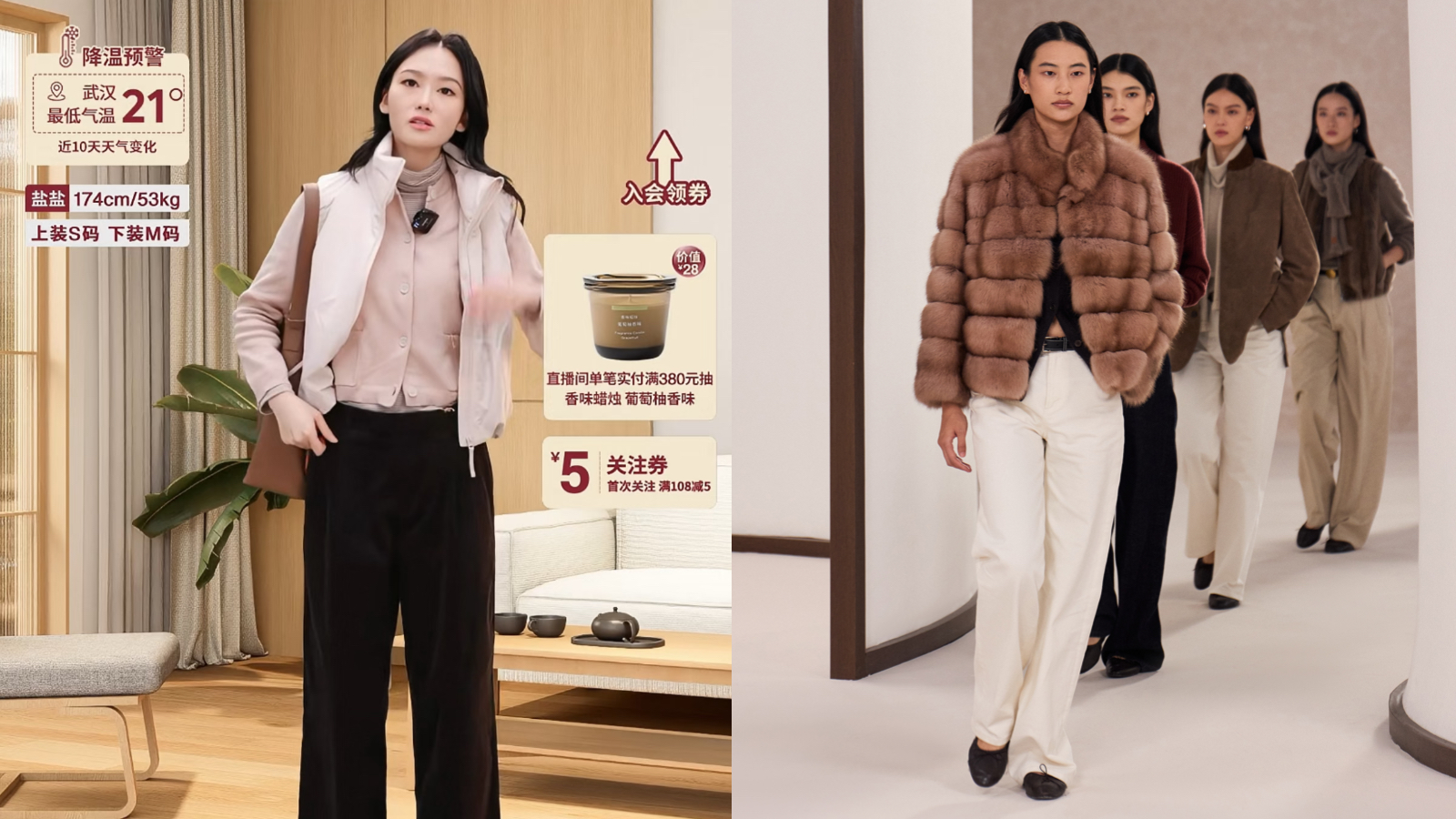
During Singles’ Day, livestreaming has emerged as a powerful tool not only for driving sales but also for giving brands a more nuanced way to engage consumers.
2 million, in sales during its six-hour “Super Live” runway show and styling sessions — 14 styles surpassed 1 million renminbi, or $150,000, in sales.
Source link