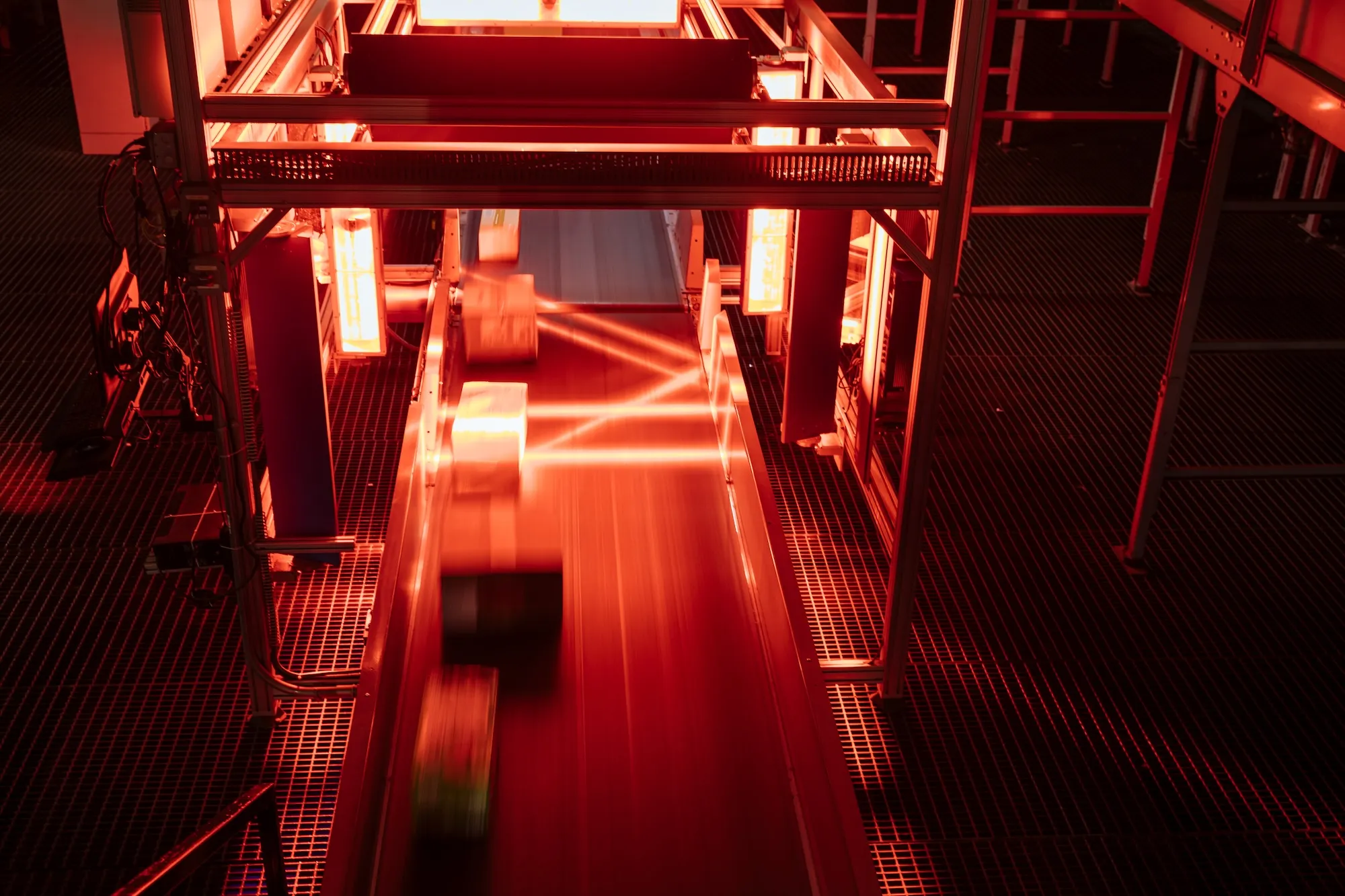
After decades of rapid footprint expansion, top logistics and e-commerce companies such as Amazon, UPS, FedEx and Maersk, among others, are shifting capital expenditures (CapEx) away from expanding raw physical footprint and toward technological density, warehouse automation, predictive AI and network optimization.
Underpinning this shift is a complex set of factors, including higher labor costs and persistent driver shortages, as well as geopolitical tariff realignments and higher interest rates. The strategic focus of major players is yield and efficiency over sheer volume growth.
Related Stories

How Calico AI is Tackling Apparel's Biggest Bottlenecks
Fashion Industry Leaders Debate AI, Digital Replicas and New Regulations
The most visible investment is in high-density warehouse automation and robotics. The bigger companies are pouring big bucks to integrate more robotics. They are transitioning from manual picking to Autonomous Mobile Robots (AMRs), automated storage and retrieval systems (AS/RS) and robotic de-palletizing. Increased capital is also going toward computer-vision AI systems for zero-touch quality checks and auto-traying, as well as barcode verification.
Analysts estimate that global warehouse automation spending reached $30 billion this year. And there were more than 4.7 million commercial warehouse robots deployed across 50,000-plus facilities globally over the past several years. Amazon alone now operates more than 600,000 logistics robots across global hubs. The company is also making investments in other areas.
In early August, Amazon raised its 2026 CapEx forecast to about $220 billion, which is up from $131 billion in 2025. Most of this capital is targeted toward generative AI, cloud computing infrastructure and logistics automation.
Source link