

MemoMind rolled out a software update for its One AI glasses on September 30, 2026. The patch expands real-time translation to 53 languages and opens a second developer phase.
Incubated by projector maker XGIMI, the company is selling the standard hardware for $399 on promotion against a $599 list price.
The firmware update extends live two-way translation across South Asian and Middle Eastern markets. It adds firmware-level support for Urdu, Tamil, Gujarati, Nepali, and Arabic. To improve speech intake in crowded environments, users can now toggle between front-facing directional audio capture and omnidirectional recording.
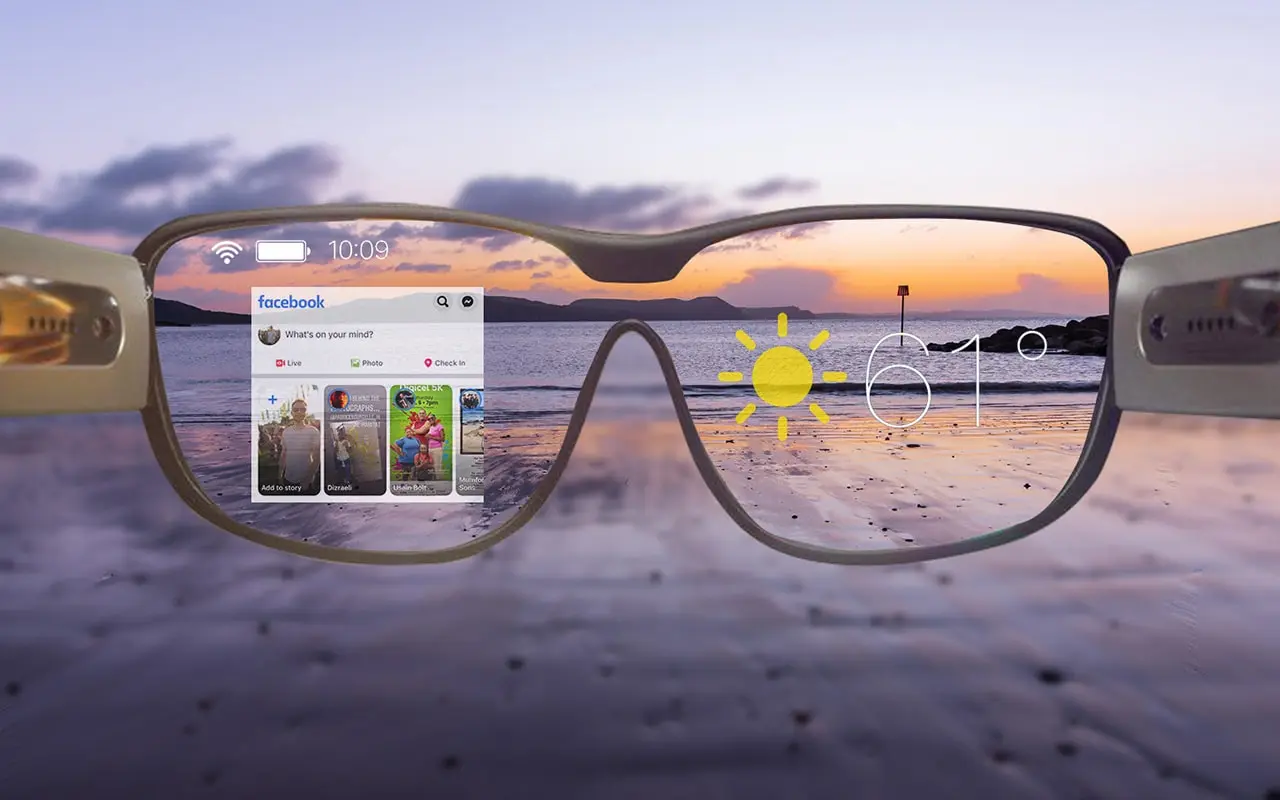
Display capabilities received an upgrade as well. The internal heads-up display now renders up to four lines of notification text, reducing the need to check paired smartphones. Users can also pull custom RSS 2.0 and Atom 1.0 feeds directly into the display interface rather than relying on curated platform feeds.
Bluetooth Low Energy now carries the standard Human Interface Device protocol on the frames, allowing third-party input hardware to connect directly. The protocol complements existing temple touch controls, voice prompts, and head-gesture tracking with peripheral ring inputs.
Hardware startup Kiwear serves as the flagship partner for the peripheral integration, enabling ring-controlled inputs out of the box. Memo Labs also introduced Memo Agent. That tool lets users view and dispatch basic commands to an automated coding agent through the glasses.
Wearable AI makers face steep customer churn once the initial novelty of audio playback and basic transcription fades. By adding standard peripheral input protocols and open RSS syndication, MemoMind is attempting to anchor the hardware into everyday productivity routines before larger consumer electronics rivals dominate the category.
Source link





