A digital product passport’s quality depends on the quality of the data that feeds it.
That’s the message behind “The Denim Passport,” a new white paper by EIM by Jeanologia, a software and industry standard to measure the environmental footprint of textile and garment production processes, and BCome, an impact measurement and traceability platform for the fashion industry.
The white paper provides a practical example of how real data from denim finishing processes can be incorporated into product environmental impact analysis to deliver more accurate and representative results.
Related Stories

Fashion's Next Supply Chain Test Is Collaboration
Is Fashion Ready for a Regulatory Reckoning?
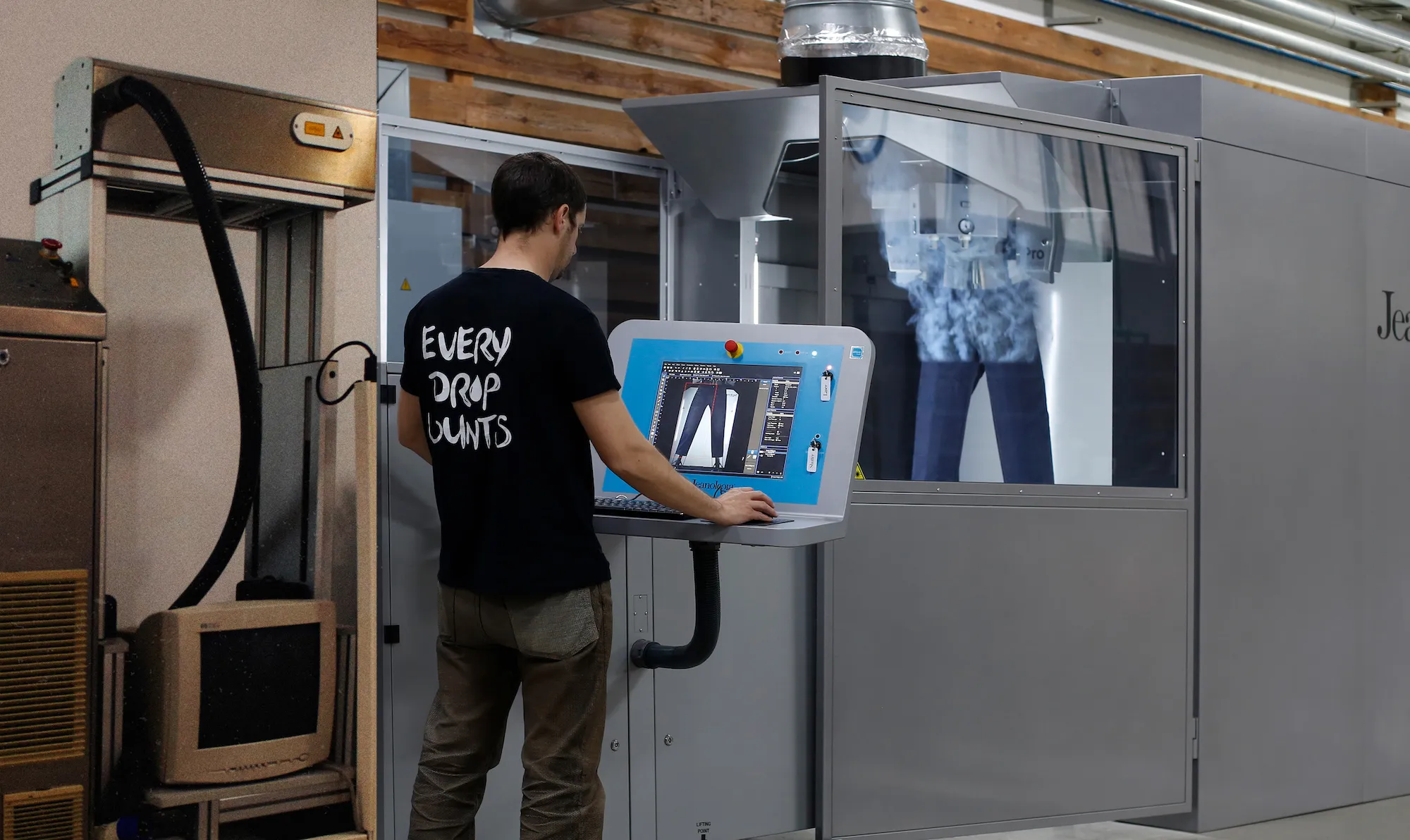
In this case, EIM by Jeanologia provides the “zoom lens” by measuring the impact of finishing processes directly on the factory floor, including water and energy consumption, chemical use and worker health. BCome provides the full picture by integrating the data into the garment’s life cycle assessment and accounting for impacts of earlier stages in the supply chain.
Using real data, the case study compares a 100 percent cotton jean with a conventional finish using stone wash and potassium permanganate spray to a 100 percent cotton jean made with Jeanologia’s Atmos technology, a garment-finishing and stonewash process that uses air to create authentic effects on denim.
2 percent in process-related emissions. Chemical impact drops by 77 percent, and the worker health indicator improves by 93 percent. These improvements are reflected in the EIM Score, which falls from 78 points (high impact) for the conventional process to 17 points (low impact) with Atmos.
Source link