

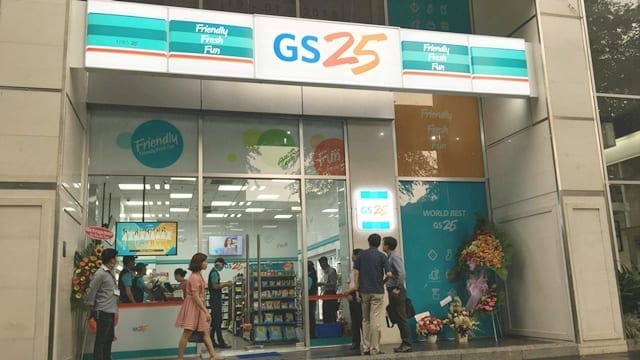
GS Retail recorded a 131 percent jump in sales to North American visitors at its GS25 convenience stores in South Korea during the first eight months of the year.
The surge pushed North American shoppers to roughly 30 percent of total foreign customer sales across the network. That leaves them just 10 percentage points behind visitors from Greater China, who continue to hold the largest foreign share at approximately 40 percent.
Spending patterns between the two visitor groups show a sharp split in basket composition. North American customers spend primarily on canned beer, wine and spirits, alongside sports drinks, energy drinks and sodas, spending more on canned beer than any other overseas group. Shoppers from Greater China buy dairy products, instant noodles and baked goods, where blueberry Greek yogurt recently overtook banana milk as the top-selling item.
Geographic data highlights a similar divide in where travellers spend. Greater China tourists stay clustered around traditional shopping hubs and downtown districts in Seoul, Busan and Jeju Island. North American footfall has concentrated heavily along coastal resort corridors.
Regional revenue from North American buyers saw its fastest expansion in Gangwon Province, where sales climbed 338 percent year on year. The bulk of that volume settled along the province’s beach-lined east coast, driven by seasonal leisure travel.
For convenience operators in South Korea, this geographic and product divergence changes how individual franchise locations must manage inventory during peak travel seasons. Stores in coastal resort towns require alcohol distribution and cold beverage stock lines calibrated for Western preferences, while urban transit hubs must protect shelf space for packaged snacks and fresh dairy popular with Chinese tour groups.
Source link





