
This article has been reviewed according to Science X's editorial process and policies. Editors have highlighted the following attributes while ensuring the content's credibility:
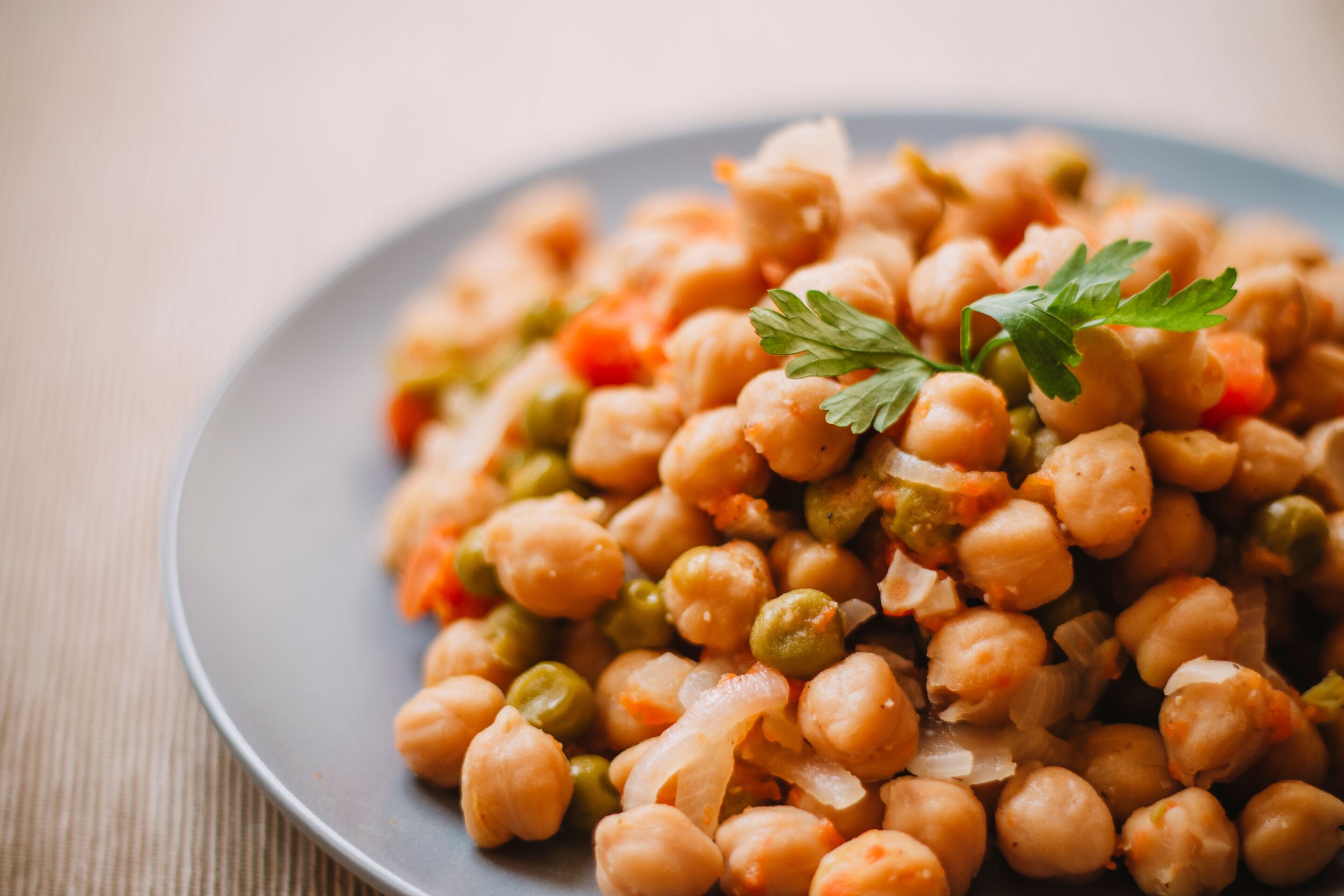
New research from two William & Mary students has found that the risk of heart attack could be significantly lowered with one simple dietary change: increasing the intake of pulses. But what is a pulse? A food group with diverse options, pulses are edible seeds from plants in the legume family. Some examples include dry beans, chickpeas, lentils and dry peas.
The research was published in the journal Current Developments in Nutrition.
Tara Kamalakantha and Catherine Zavela found that greater pulse intake leads to a lower chance of being diagnosed with a cardiometabolic disease (CMD), such as heart disease, stroke or diabetes. Kamalakantha and Zavela's research found that even the addition of one serving of pulses to the diet daily could lead to a 19% lower risk of CMD overall.
"My main takeaway from (this research) was pulse consumption in the U.S. is extremely low," Kamalakantha said. "Through our data, adults are consuming less than 0.37 ounces (10.5 grams) per day, which is not the same in other countries."
Their research was done in the Nutritional Epidemiology and Food System Analytics Lab, run by associate professor of health sciences Zach Conrad.
Zavela started working on the project several years ago and published some of the lab's early work showing trends in pulse intake over the past 20 years. Kamalakantha came in during the latter half of the project and dug through data from more than 46,000 adults collected from 1999 to 2018 through the National Health and Nutrition Examination Survey.
Source link





