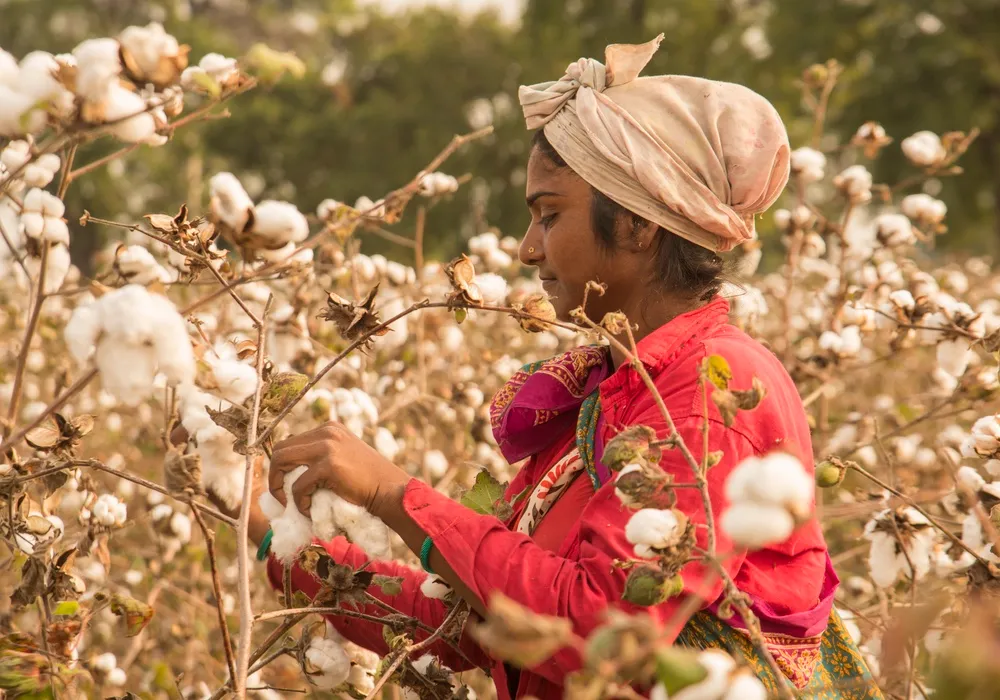
European Union sustainability and forced-labour laws will penalise apparel brands and their global suppliers, with new packaging rules rolling out in August. Companies must track materials down to individual farms and component mills. Regulators in Brussels are introducing strict enforcement rules, empowering border authorities to seize non-compliant garments and name offending companies publicly.
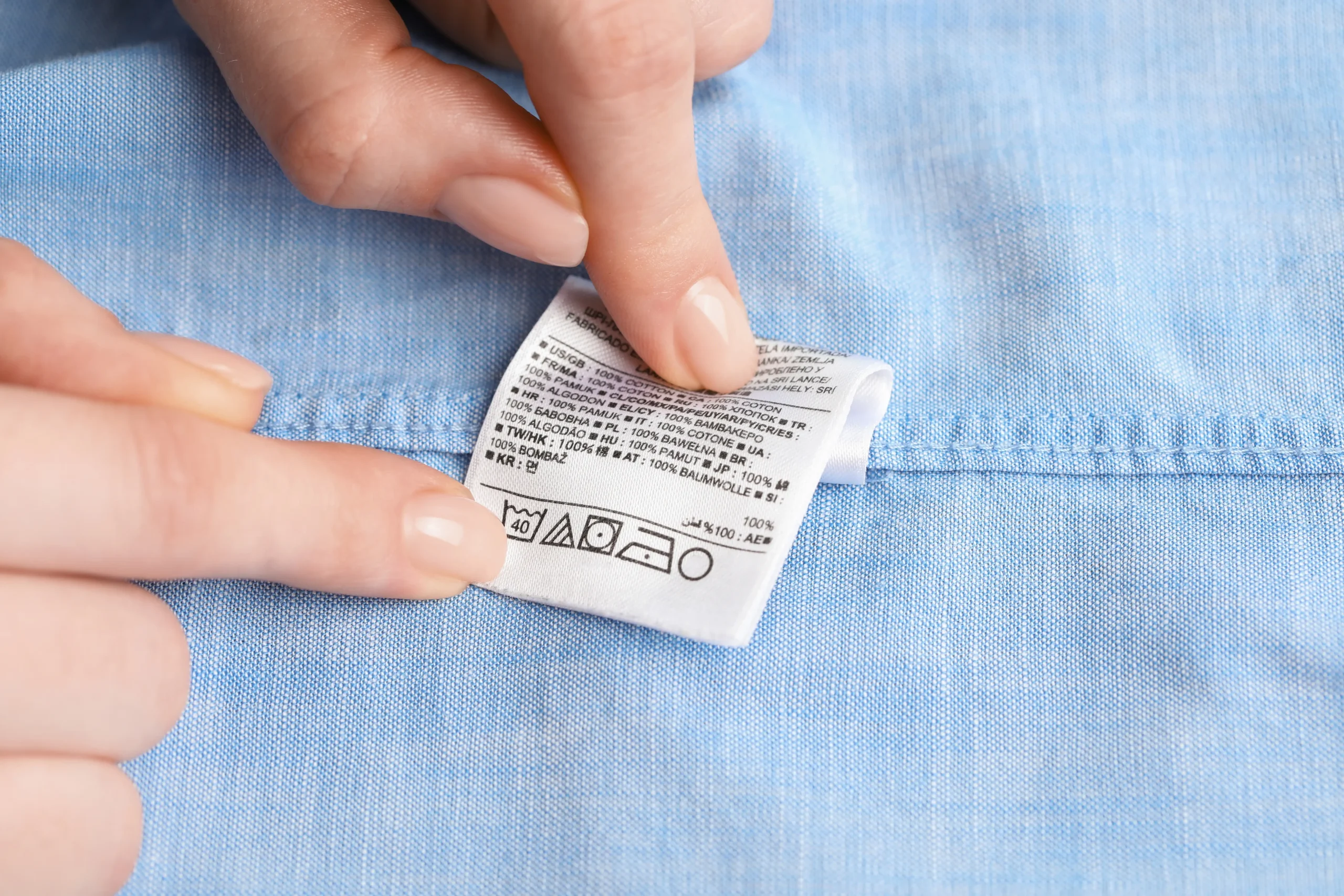
A European Commission testing campaign found that 37 percent of clothing labels failed to reflect material composition accurately. That finding has accelerated regulatory scrutiny across Asian textile export hubs supplying European fashion groups, prompting brands like Tod’s to partner with sustainability-data management firm Renoon.
The EU Forced Labour Regulation gives European investigators direct authority to inspect supply chains. Officials can ban non-compliant goods from entering the single market. Older disclosure laws required only annual corporate reports. The new framework mandates product-level proof of compliance before shipments clear customs.
Marissa Brock, senior director of policy and government affairs at supply chain software firm Sourcemap, said: The EU has already indicated that it will target large brands and retailers for forced labor enforcement.
For manufacturers in China, Vietnam, Bangladesh and India, documentation is now a strict condition for export. Ignorance of subcontracting practices or raw material origins no longer shields buyers or vendors from penalties.
Compliance pressure will mount as the Ecodesign for Sustainable Products Regulation introduces mandatory Digital Product Passports. These digital records attach directly to physical goods. They log raw material extraction, chemical treatments and repairability standards.
Upstream suppliers carry the operational burden. European fashion houses hold legal liability under EU law.
Source link