

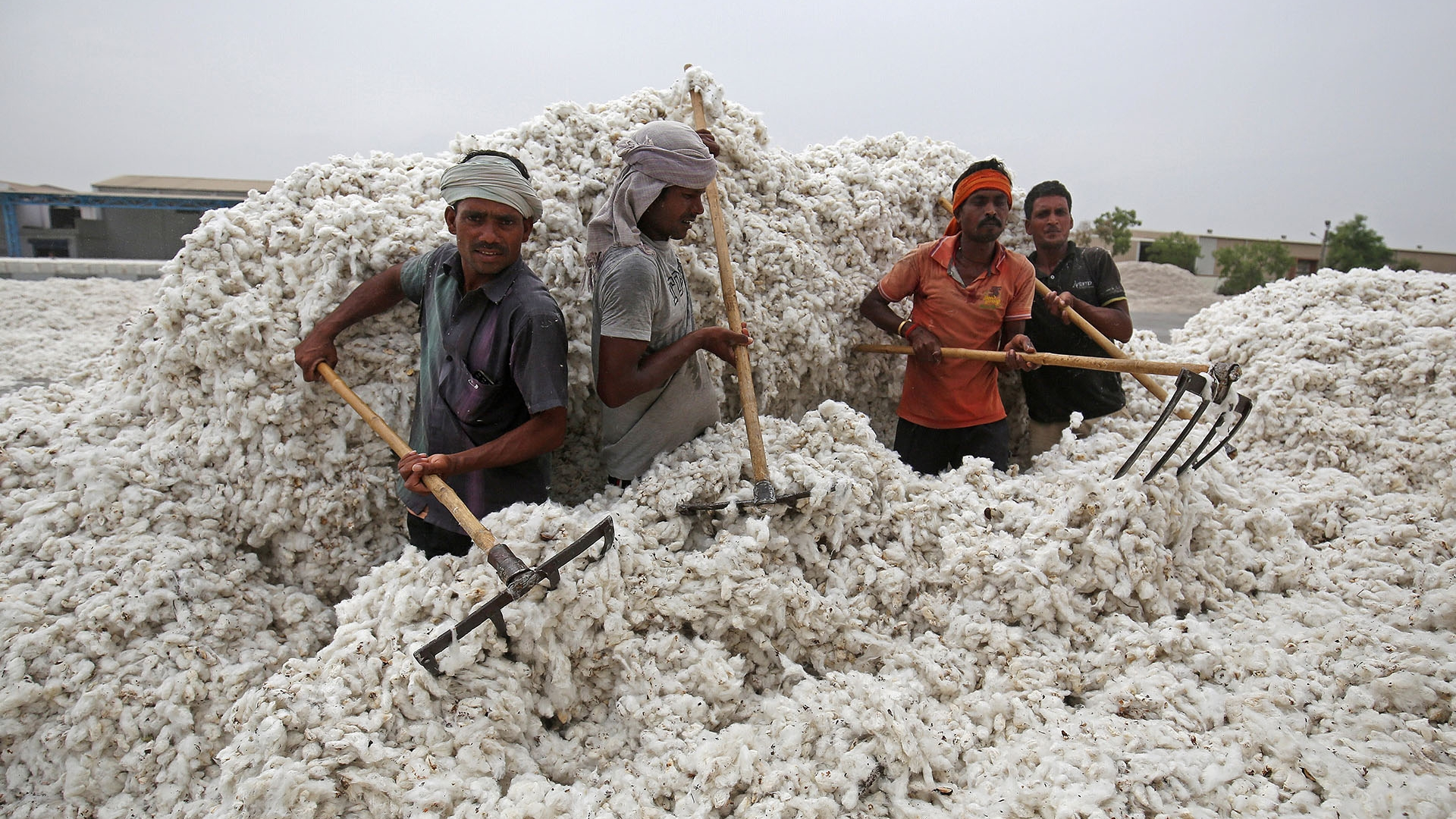
Better Cotton member farmers cut synthetic nitrogen use per kilogram of cotton by 69 percent and pesticide volume by 65 percent, according to the group’s five-year impact audit.
The benchmark covers field-level operations supplying roughly 24 percent of the global raw cotton crop to textile mills and apparel retailers worldwide.
Researchers drew on more than 20 million annual data points gathered across commercial operations and smallholder plots. Alongside chemical cuts, 54 percent of licensed growers lowered their carbon footprint, while 52 percent of irrigated farms cut water use per kilogram of lint by an average of 29 percent.
Lower input expenses delivered financial relief across rural growing belts. About 59 percent of participating smallholders lifted net farm income after adopting standard agronomic practices. These practices substitute biological controls and composting for commercial chemical inputs.
Pest management shifts accounted for much of that cost drop. Across participating networks, 65 percent of growers reduced active synthetic pesticide ingredients per hectare. A network of 11,000 bio-input production and distribution centers established with local program partners supported the shift.
Irrigation efficiency improved across arid basins through structured water stewardship training. Partner organizations conducted field sessions for 690,000 farmers and 175,000 agricultural workers. That outreach reached 65,000 female farmers and 77,000 female field workers.
Female representation in administrative roles also rose over the five-year tracking window. Women now occupy 17 percent of field facilitation and producer unit management posts across participating organizations. Five years earlier, that figure was 9 percent.
Growers in Asia facing volatile weather and high fertilizer costs provided key proof points for the standard.
Source link





