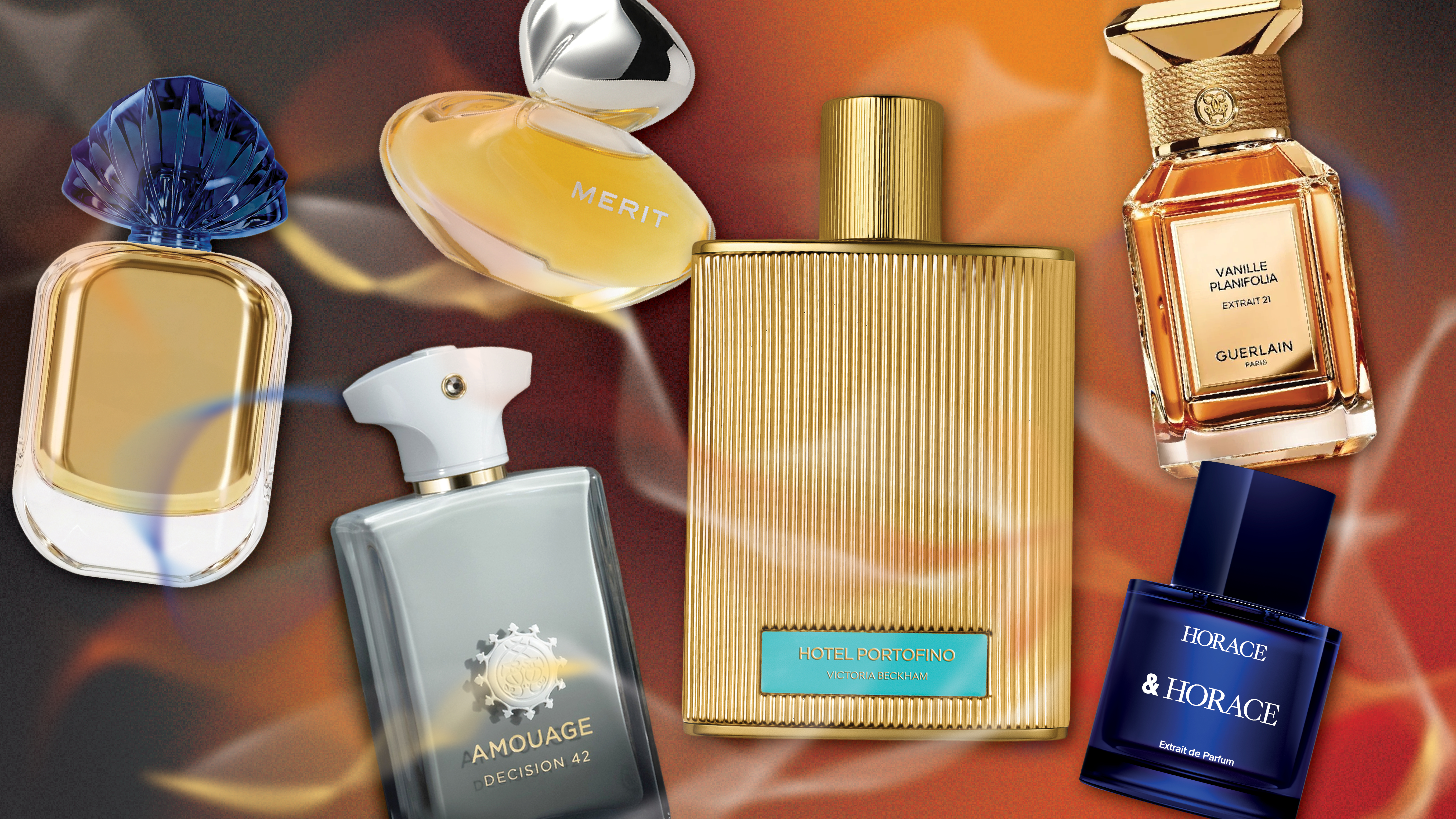
Since the pandemic, consumer demand for these types of fragrances has been growing rapidly.
As the fragrance boom continues to accelerate, beauty brands are looking for more ways to differentiate themselves, while many consumers are searching for long-lasting deeper, richer scents.
Enter the extrait de parfum, a fragrance with concentration beginning at around 20 percent and stretching as high as 60 percent in some cases, versus typically 15 to 20 percent for an eau de parfum.
The extrait de parfum isn’t a new concept. It was the main form of fragrance back in the 1920s, before taking a back seat for years amid the global commercialization of the industry when eau de parfums were king.
But that has been changing since the pandemic, as consumers became more interested, knowledgable and willing to experiment with fragrances than ever. According to data from Mintel, there were fewer than 100 extrait launches globally in 2020. By 2025 there were more than 600.
A report by Paris-based fragrance publishing and cultural platform Nez, supported by Amouage, said: “Since the pandemic, the trend has clearly accelerated, and the major houses are reviving a prestigious concept of the extrait de parfum: that of a creation elevated to its highest level of ambition.”
The report also noted that contemporary extraits often push the concentration far beyond historical norms, in line with market expectations. Indeed, extraits were about 20 percent concentration in 1920.
“Ten years ago, the extrait was almost an anachronism. Today, performance has become one of the main ways people judge a fragrance: longevity and sillage are what they review, share and compare,” said Valeria Acevedo, managing director of Nez.
Source link