This is California Wire, a weekly newsletter from Jeff St. John on the state’s clean energy transition. Subscribe to get it every Thursday via Substack.
Hello, everyone! We’ve got a lot of postelection news to cover this week. But I want to start with another hugely important issue, one that poses an existential risk to California’s utilities and a significant threat to the state’s clean energy goals — as well as a serious challenge for its incoming governor.
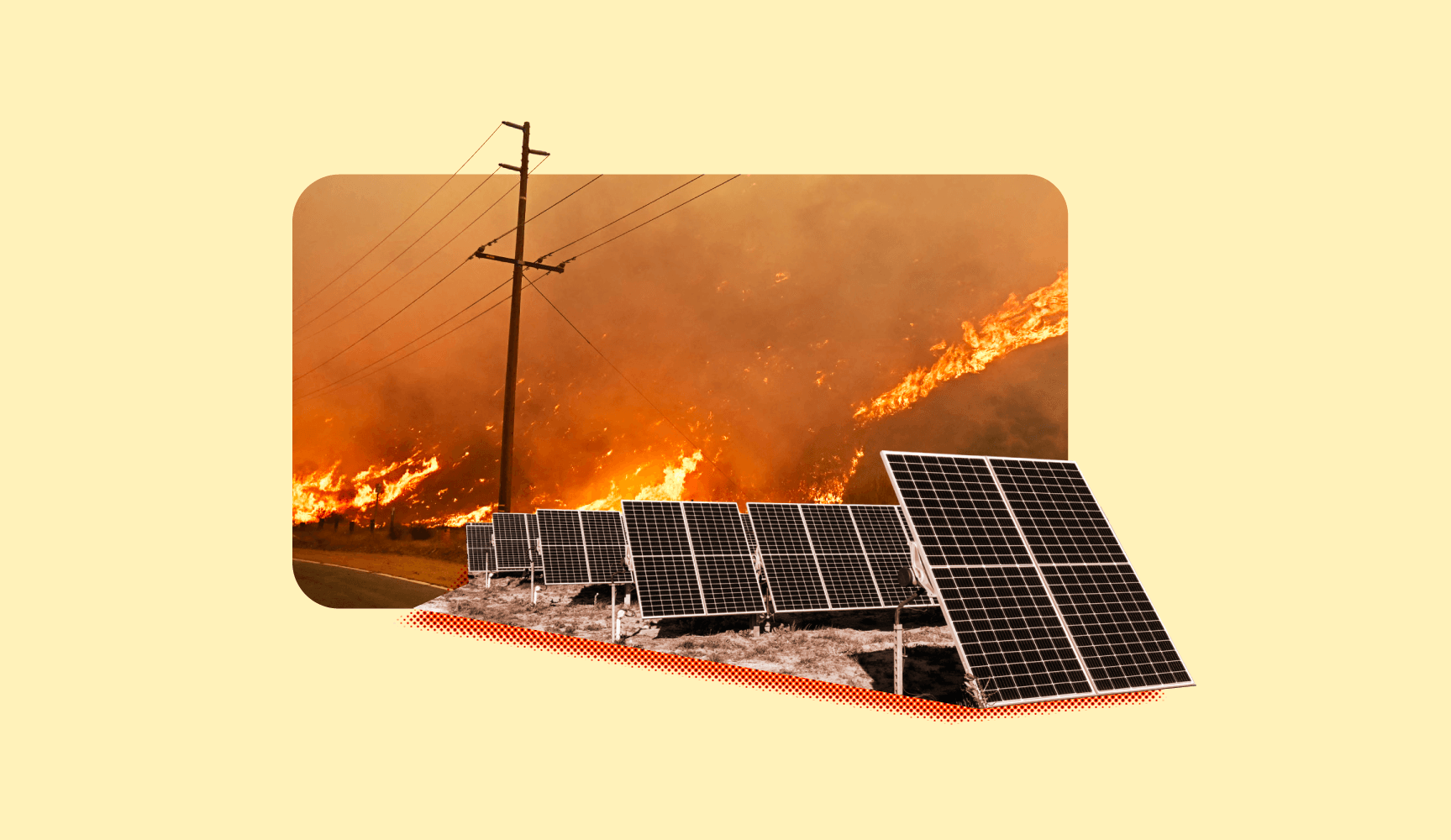
We’re talking, of course, about utility wildfire liability reform. Outgoing Gov. Gavin Newsom failed to broker a deal with lawmakers at the end of this year’s legislative session to protect the state’s major utilities from the potentially ruinous liabilities they face from fires sparked by their power lines.
Shares of the parent companies of Pacific Gas & Electric and Southern California Edison dropped precipitously on that news. PG&E, still recovering from a 2019 bankruptcy after its equipment started the Camp Fire in 2018, responded by announcing a “strategic review” that included postponing about $2 billion in work planned for 2027.
Last month, PG&E sent letters to some 25,000 customers warning them to expect delays in getting grid connections. Estimates range from one to six months for connecting housing developments and office buildings to “2027 and beyond” for city and county transportation and public works projects.
Among those facing undetermined delays are more than 60 renewable and storage projects scheduled to be online by 2030 — which could add at least 15 gigawatts of capacity, according to a PG & E spokesperson.
Source link