This article has been reviewed according to Science X's editorial process and policies. Editors have highlighted the following attributes while ensuring the content's credibility:
According to projections, the volume of digital data created, captured, copied and consumed worldwide will reach 175 zettabytes (ZB) in 2026. This is equivalent to the storage capacity of billions of hard drives, such as those found in our laptops. With the rise of artificial intelligence, this global 'datasphere' continues to expand at an exponential rate.
Thanks to its remarkable storage capacity and longevity, synthetic DNA is emerging as a potentially revolutionary medium for storing information.
"In theory, one gram of DNA could store the equivalent of the digital collections of the world's largest libraries for tens of thousands of years," explains Pierre-Yves Burgi, deputy director of the Division of Information and Communication Systems and Technologies (DISTIC) at UNIGE.
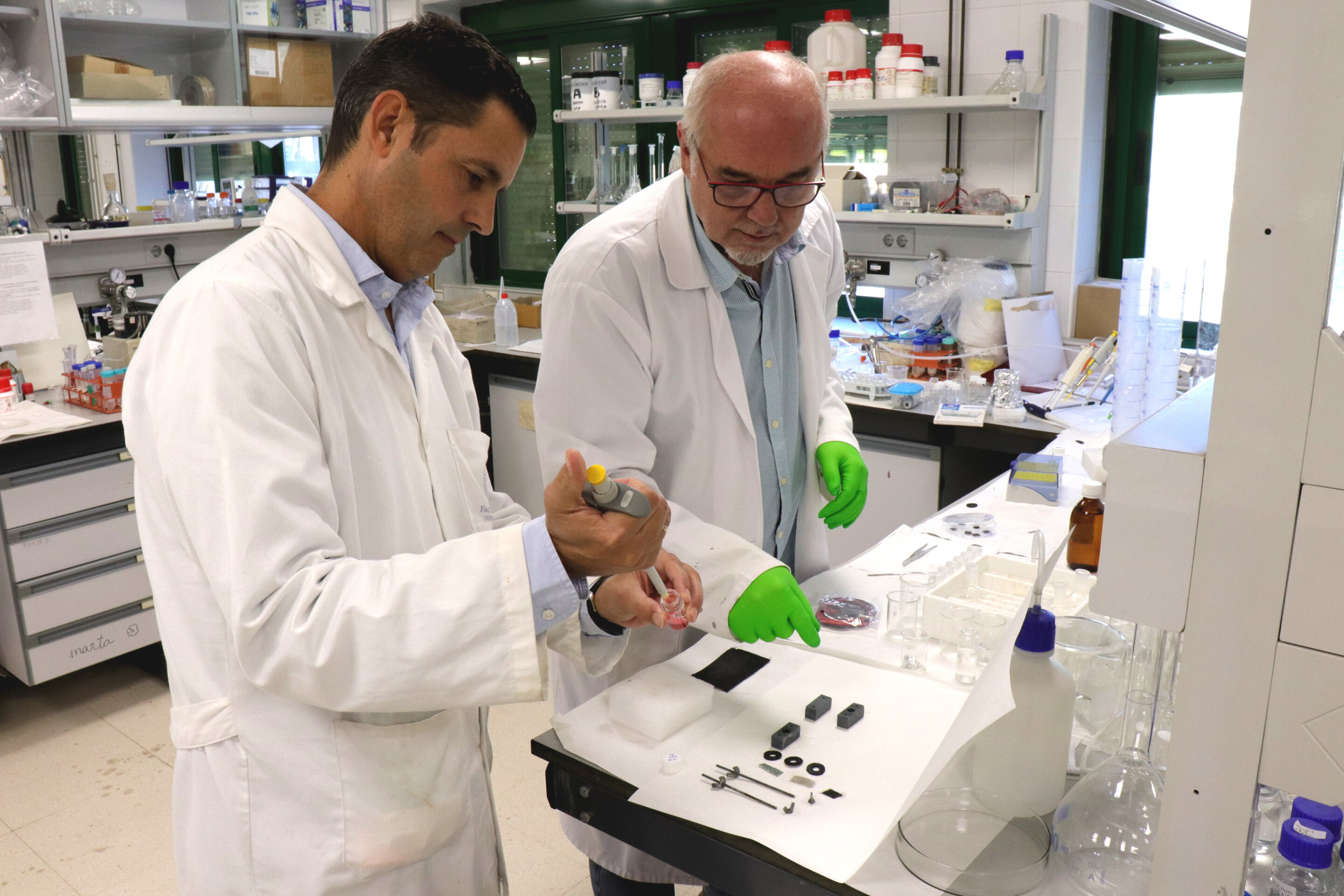
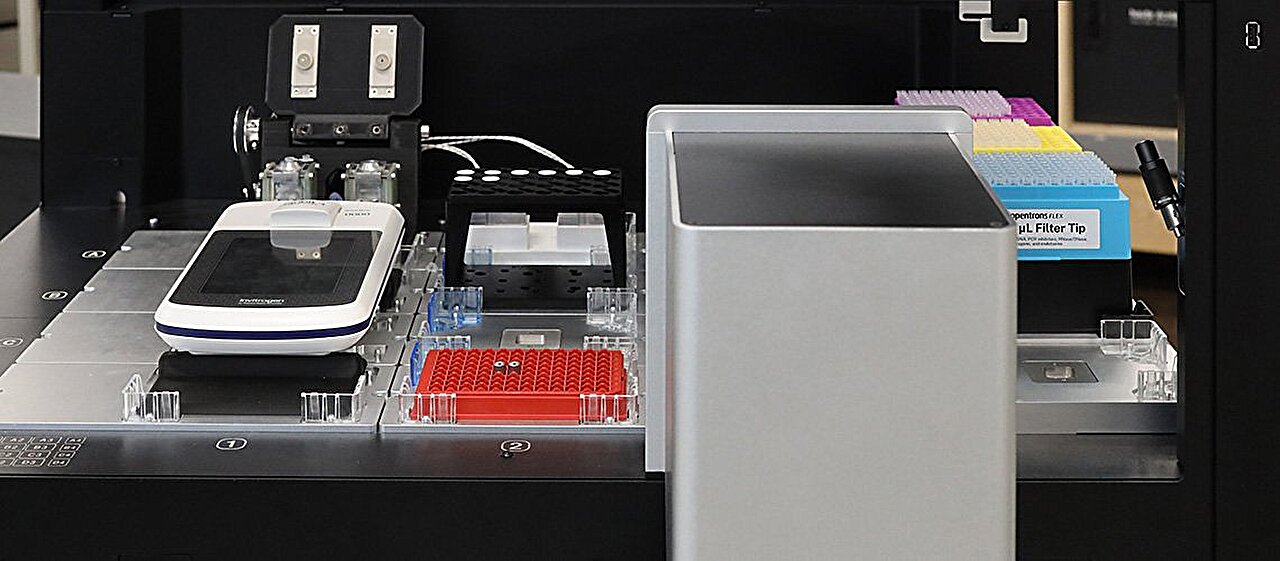
As part of a European research collaboration involving Kaunas University of Technology (KTU), Lithuanian company Genomika, the Technical University of Munich, Austrian biotechnology company Kilobaser and Imperial College London, UNIGE and HE-Arc have developed DNAMIC, an autonomous microfactory capable of encoding information into synthetic DNA.
On the HE-Arc campus in Saint-Imier (canton of Bern, Switzerland), the system was tested by digitizing a watchmaking heritage archive held by the Jura Center for Economic Archives and Research (CEJARE), using an archiving tool developed by UNIGE. The system will also enable the archive to be accessed again in the future.
"By using this watchmaking archive, we are paying tribute to the original microfactory, which was designed for the autonomous production of watch components," explains Jérôme Charmet, professor at the School of Engineering-HE-Arc Ingénierie, who is involved in the project through HES-SO.
Source link