This article has been reviewed according to Science X's editorial process and policies. Editors have highlighted the following attributes while ensuring the content's credibility:
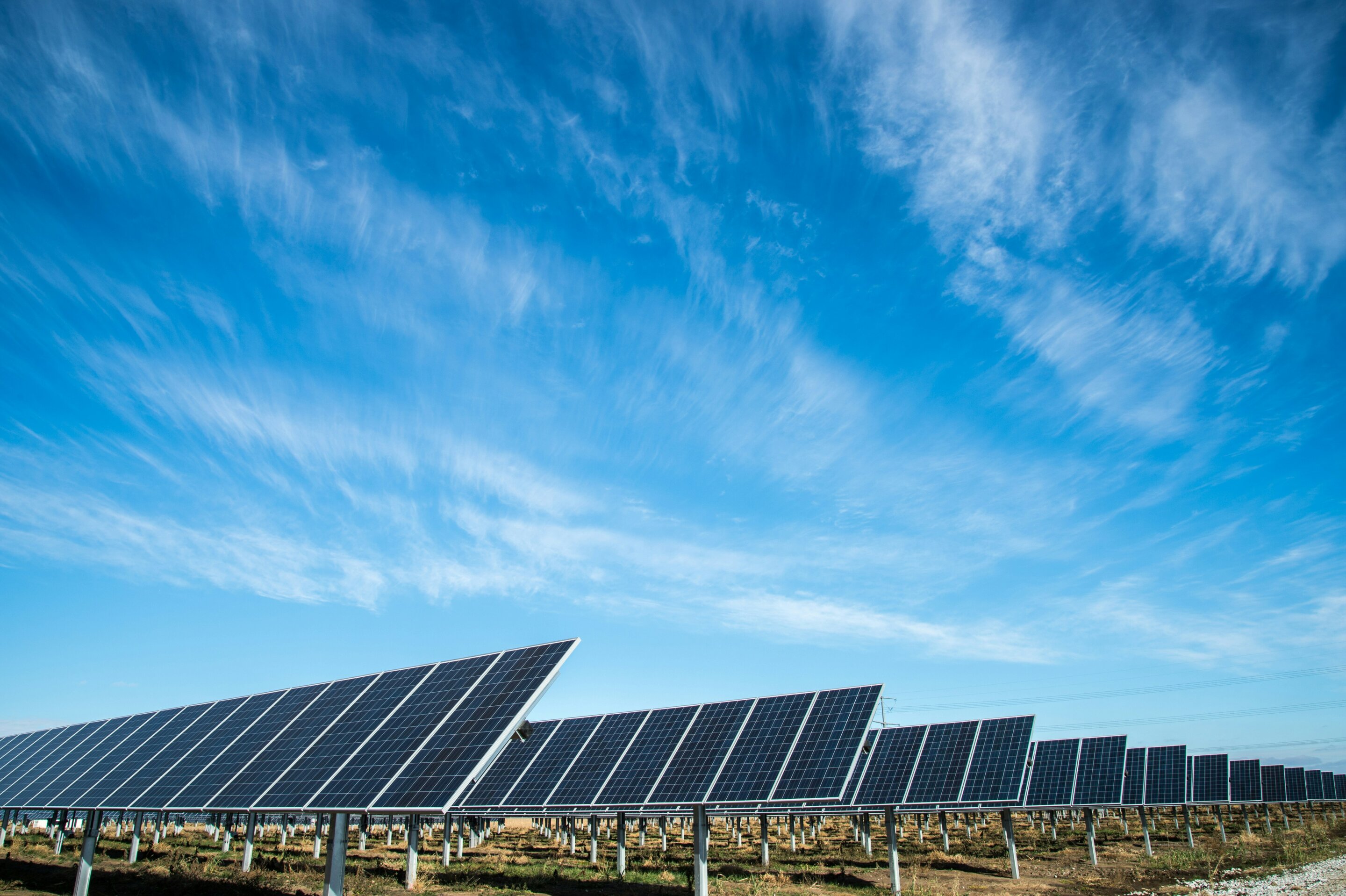
Solar power may have become one of the world's cheapest sources of renewable electricity, but an increasingly expensive precious metal is creating a challenge for the industry.
Silver, a material commonly associated with jewelry and electronics, plays an important role in helping solar cells generate electricity.
However, its rising price and growing demand are putting pressure on manufacturers, prompting researchers to investigate whether cheaper alternatives can do the same job.
At UNSW Sydney, Dr. Ning Song and her research team, working closely with Scientia Professor Martin Green, are exploring ways to reduce the amount of silver used in solar cells or potentially eliminate it altogether.
The challenge is not simply finding a cheaper material. Any alternative must also help solar panels generate electricity efficiently—and do so reliably for decades, without undermining the affordability and environmental benefits that have helped make solar power so attractive.
Solar panels generate electricity when sunlight hits photovoltaic (PV) cells, usually made from silicon. But producing electricity is only part of the process: That electricity also needs to be collected and transported out of the cell.
Solar cells contain extremely thin metal lines, called contacts, that collect the electricity generated within the cell. Silver is particularly well suited to this job because it conducts electricity exceptionally well and can be manufactured into fine lines using a relatively straightforward printing process.
These properties help solar cells generate electricity efficiently while minimizing the amount of sunlight blocked by the metal contacts.
Source link