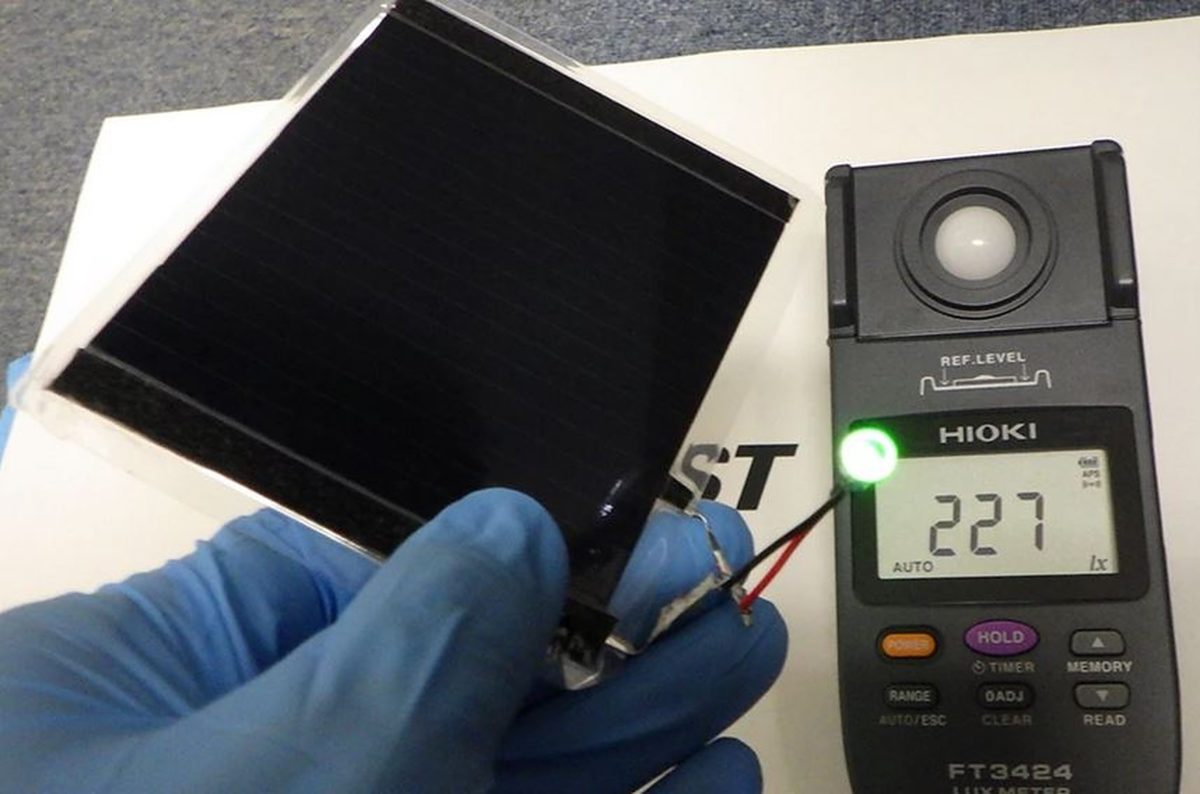
Crystalline silicon has dominated the global photovoltaic market for decades, while alternative technologies, including thin-film solar cells, have struggled to secure a comparable market share. This dominance is often attributed to technological performance, cost competitiveness and efficiency improvements. However, research from City St George’s, University of London, challenges this explanation, suggesting that the commercial success of solar technologies depends on more than their technical characteristics.
The study, “Technology (Non)Emergence: How System Interdependencies Among Activities by Heterogeneous Actors Shaped Alternative Solar Technology Trajectories,” published in Organization Science, examines how manufacturing capabilities, accumulated industrial knowledge, investment patterns and policy support influence competition between PV technologies.
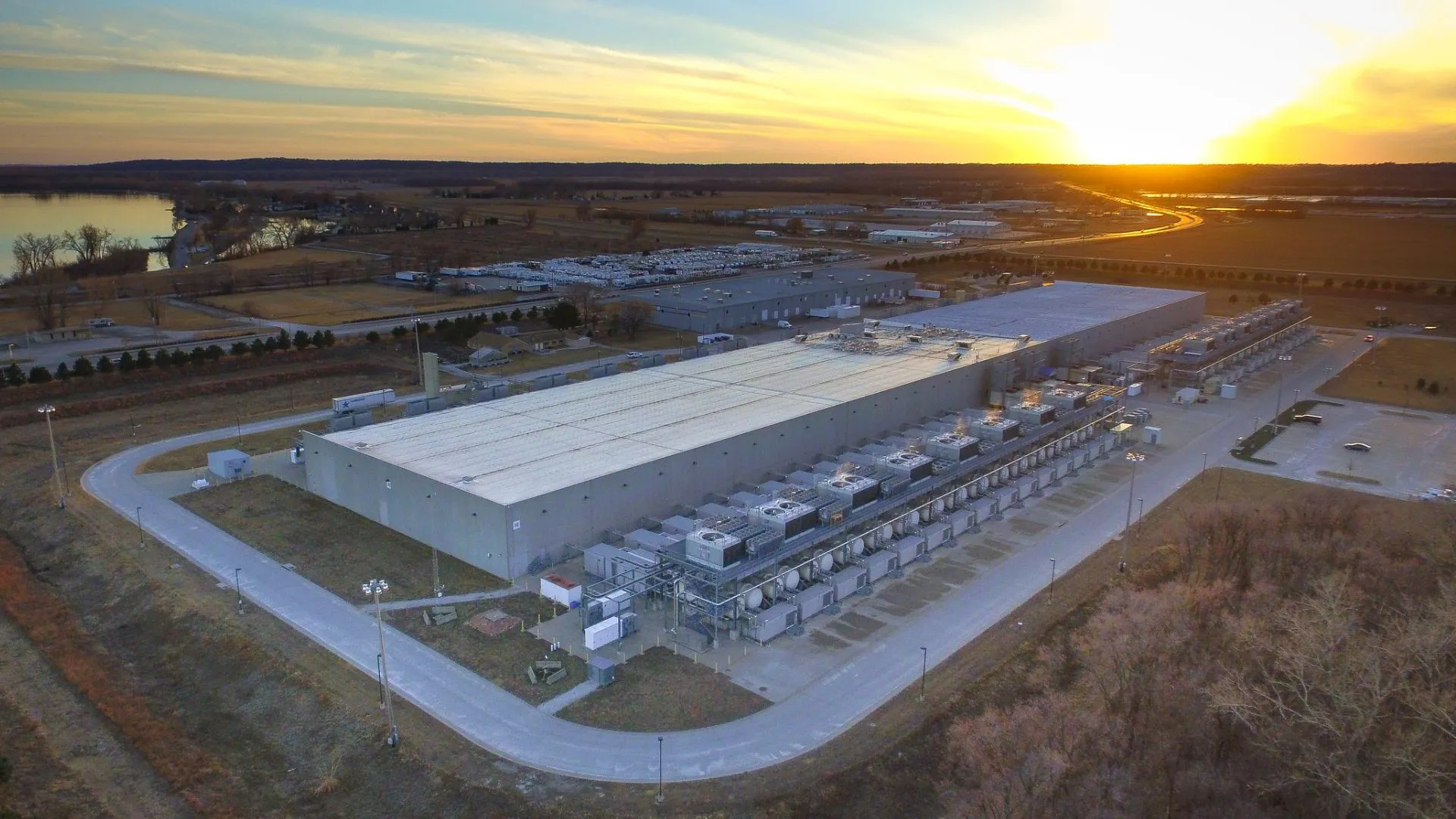
“We can think of competition as competition between manufacturing ecosystems, rather than competition in terms of technological characteristics such as efficiency, cost or other design elements,” lead researcher Mara Guerra told pv magazine. “This does not mean that technological characteristics are not important, but that competition depends on how manufacturing ecosystems evolve with respect to market requirements.”
According to Guerra, even technologies with promising performance characteristics may struggle commercially without the manufacturing infrastructure, industrial expertise and market support needed to scale production.
“Not even the best-performing tech can succeed if the system of activities around it fails to support its interface with evolving requirements of the market,” she said.
The researchers found that thin-film PV technologies could have achieved greater commercial success if industrial investments and policy interventions had followed a different path.
“Hindsight is amazing, but thin film could have had greater success with a different pattern of investment across the ecosystem,” Guerra said.
Source link