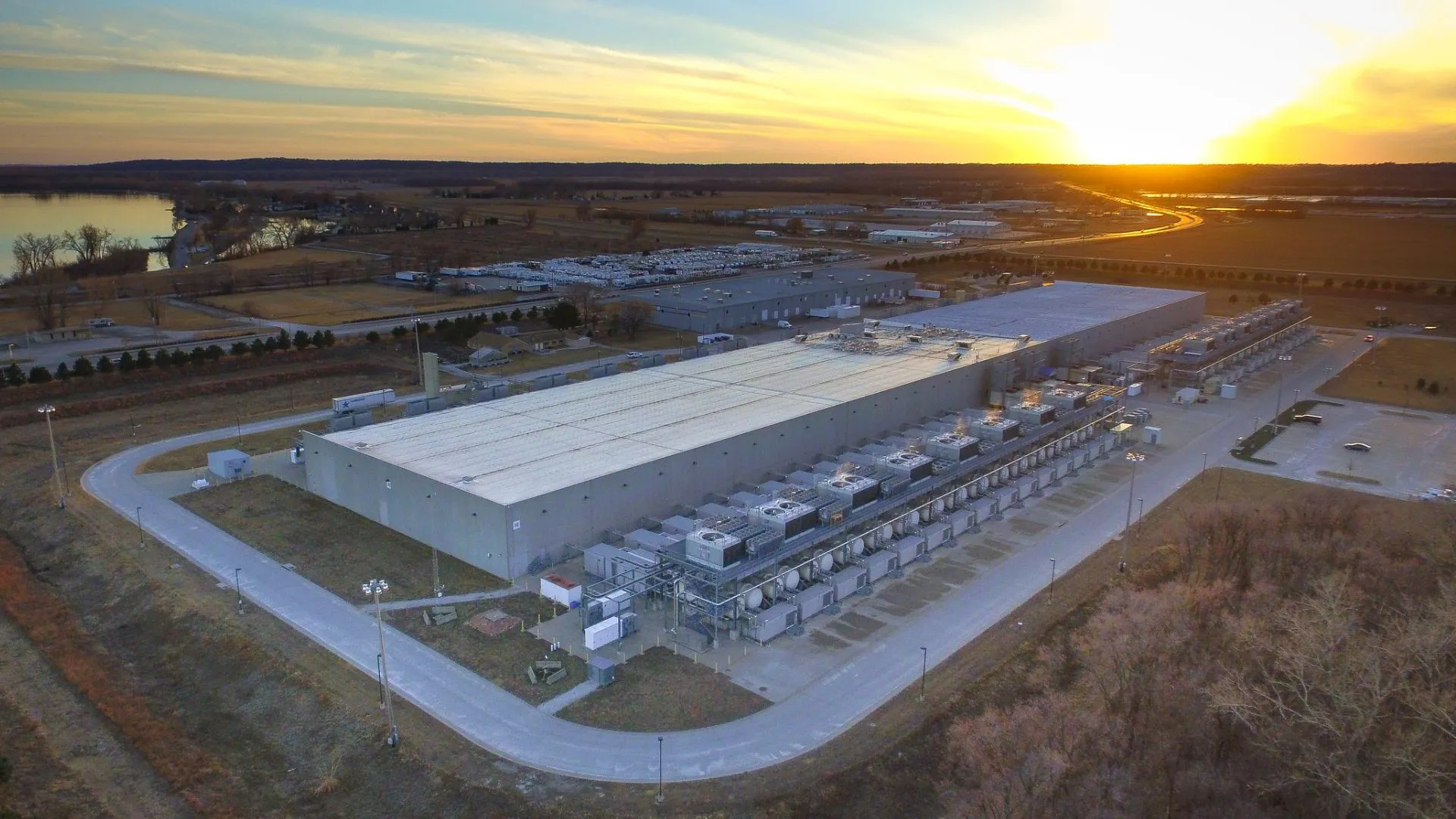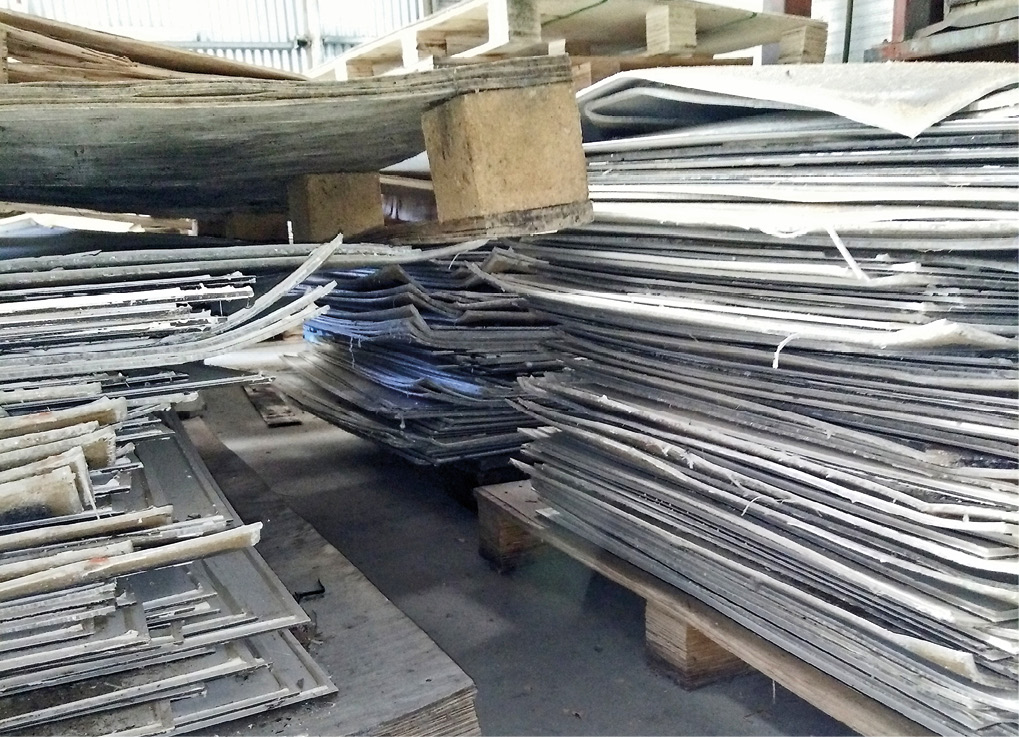
A PV module recycler’s core job is what’s called mass balance, or tracking weight in against weight out. On a well-run line, recovery rates for glass, aluminum, and copper each run close to 99%; silicon typically comes in closer to 90%. Whatever doesn’t come out as one of those tracked material streams counts as residual waste.
On a crystalline-silicon module, glass alone makes up roughly 70% of the weight, so how a recycler handles that one material does more to determine the real recovery rate than anything else in the process.
Independent verification goes beyond confirming that those weights reconcile. It evaluates whether the recycler has the documented controls, records, and operational practices necessary to demonstrate that the reported recovery rates are accurate, repeatable, and defensible. Mass balance on its own only tells you that something came out the other end.
Recyclers generally do a good job tracking material at the front end. When modules from a specific project arrive, a good recycler logs how much came in, what it weighed and what it’s made of. Ask a recycler how much of a given developer’s shipment got processed, and a well-run facility can usually tell you.
That tracking stops at the point of resale. Once glass, copper, and silver get separated out, they get pooled with material from other clients before going to a buyer. There’s no way to reconstruct, after the fact, that a specific pallet of a specific developer’s modules ended up in a specific buyer’s hands. It’s simply too granular a level of detail for how commodities get sold.
Source link