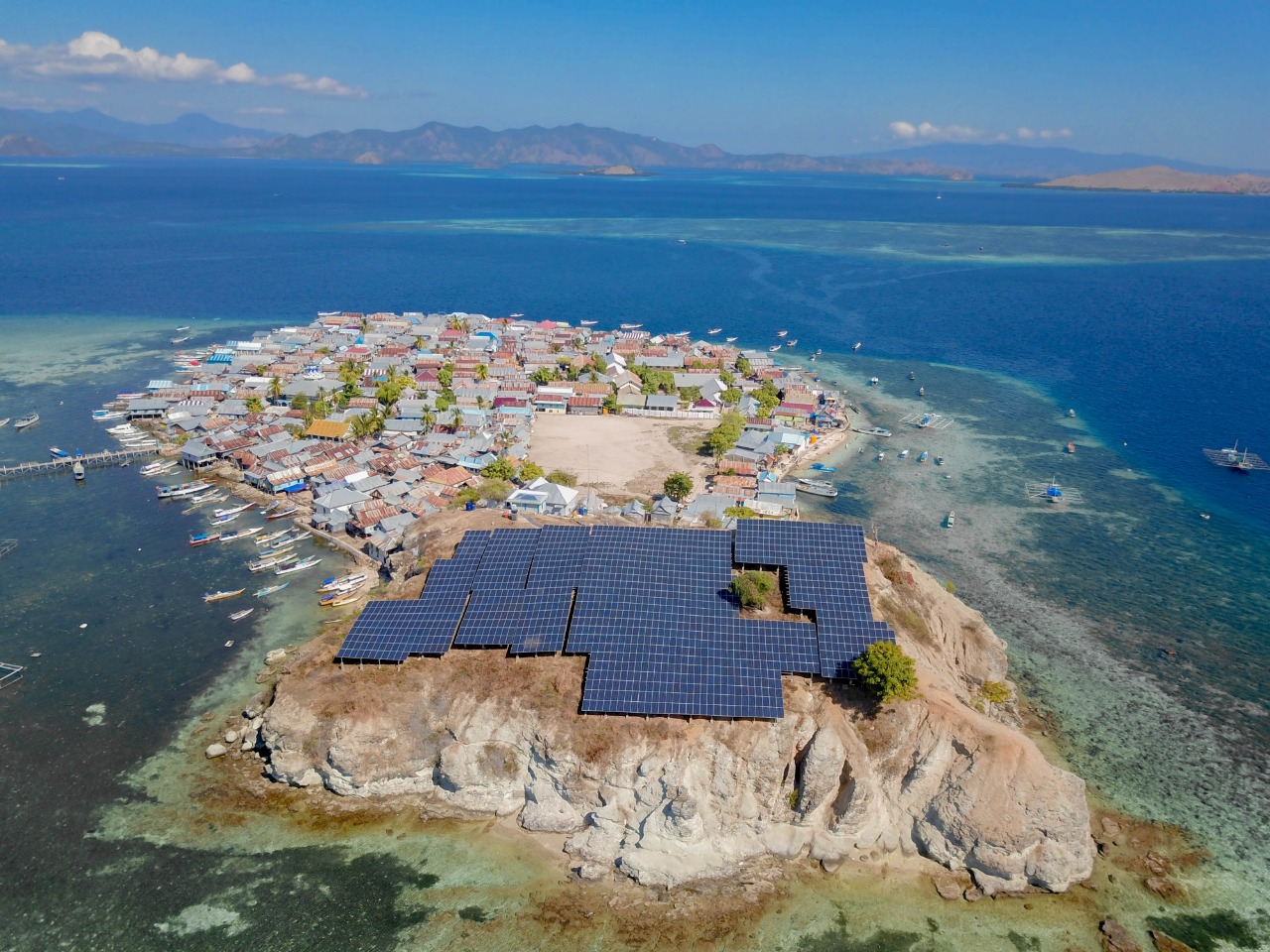
Islands are frequently held up as the proving ground for 100% renewable electricity — contained systems, clear stakeholder lines, and in most cases no main grid to fall back on. A new IEA PVPS Task 18 report puts that reputation to the test, examining 11 islands that have already reached, or come close to, very high renewable shares, from the 88-person village of Apolima in Samoa to Lolland in Denmark, home to more than 57,000 people and connected to the wider Danish grid. What is clear is that the technology to run an island almost entirely on renewables already exists and works in wildly different configurations. What determines whether a project actually gets there is overwhelmingly social, political and organisational, not technical not technology alone, but how well it is combined with the right social, political, economic and organisational conditions.
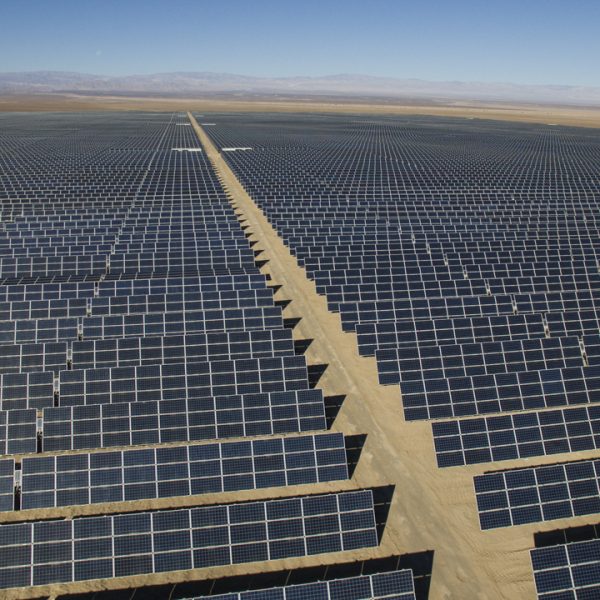
The report’s strongest evidence for this is that there is no single definition of what “success” looks like in practice. Kodiak Island in Alaska runs on a hydro-wind hybrid under a member-owned utility with an advanced operations culture, reaching 99-100% renewable supply. Samsø in Denmark gets there almost entirely through community-owned wind turbines and citizen investment, and, being connected to the Danish grid, does not depend on local storage . Yakushima in Japan reaches 100% renewable electricity using nothing but small hydropower simply because its mountainous terrain and rainfall happen to match demand. Apolima runs on a standalone solar system with no storage at all, because the village is small enough that it doesn’t need any.
Source link