The nation’s biggest grid operator is about to start working on a fix that would make it much easier to add batteries to existing power plants and solar and wind farms.
PJM Interconnection is finally taking steps that could let a lot of new battery capacity connect to its grid without eons of delay.
PJM is the biggest grid operator in the U.S., serving customers across 13 mid-Atlantic, Midwestern, and Southern states. Its grid is notoriously bogged down and congested, especially now that data centers are clamoring for more power, and that’s leading to high electricity prices in its territory.
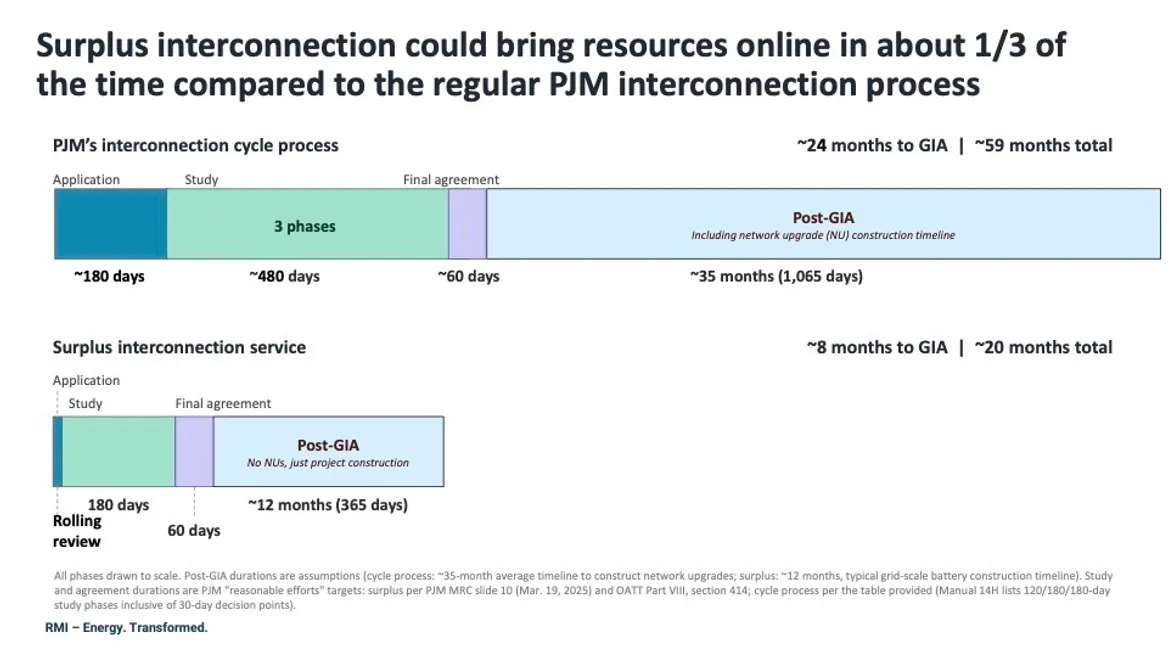
Among other shortcomings, it’s been falling behind its counterparts elsewhere in the country in pursuing a straightforward solution: allowing power plants to add batteries on-site in order to get more out of grid connections that aren’t always used to full capacity.
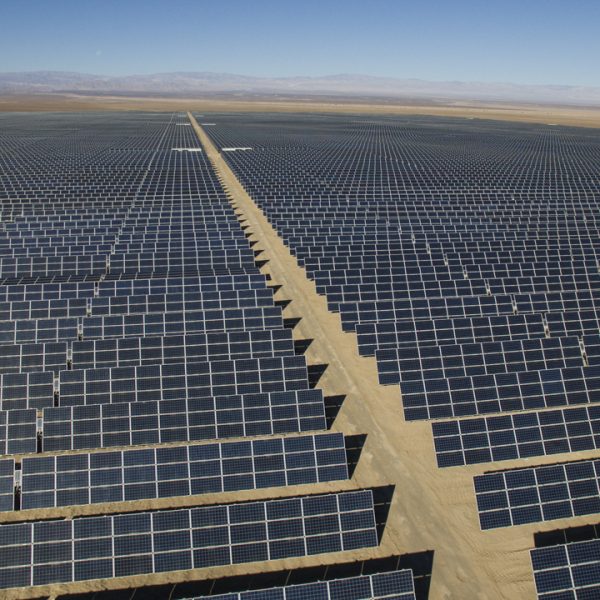
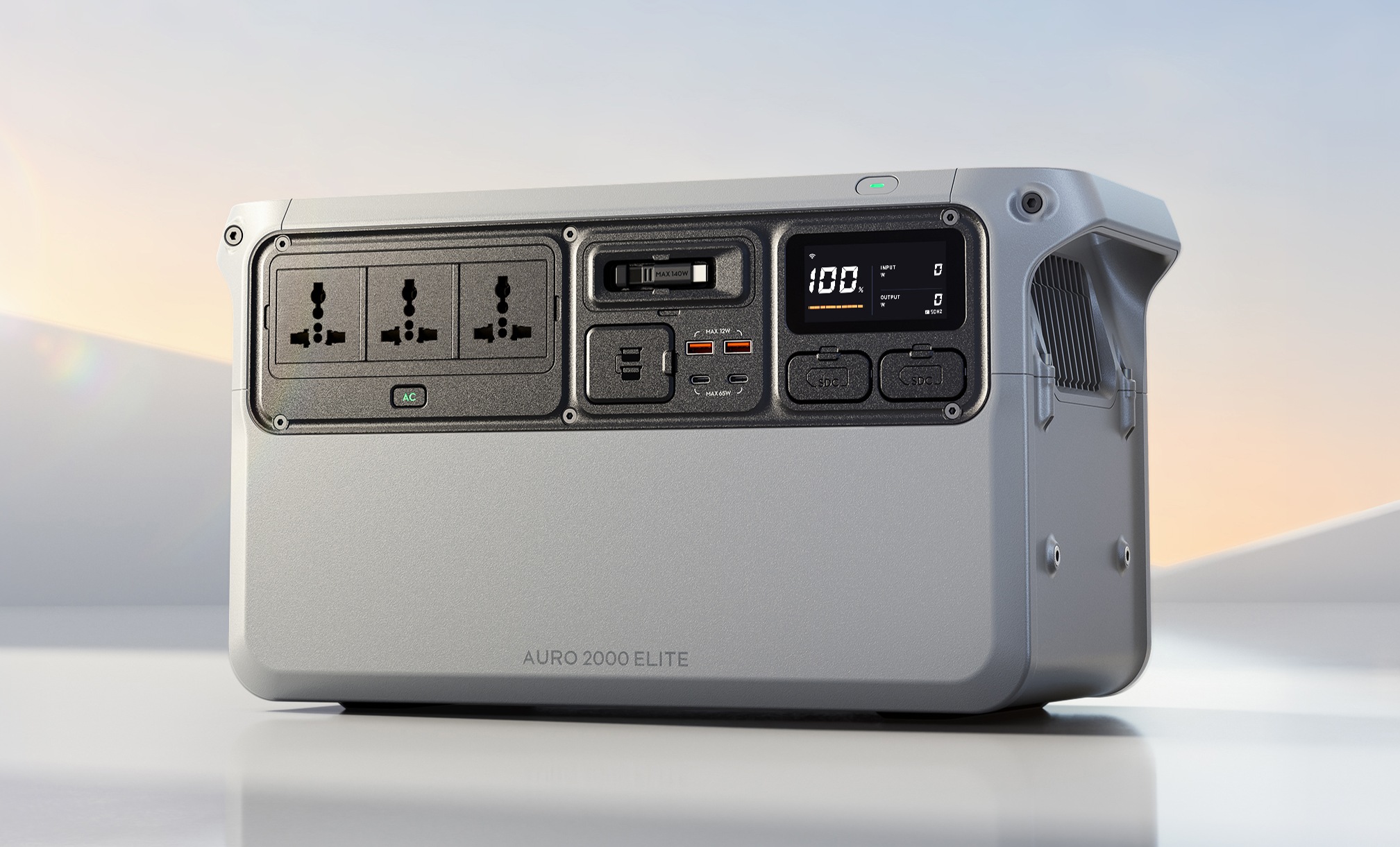
The Federal Energy Regulatory Commission has directed grid operators to pave the way for these kinds of battery additions under Surplus Interconnection Service (SIS) rules. The idea is to let existing power plants — mainly solar and wind farms — add batteries that can soak up excess power when it’s not needed, and then inject it through existing grid connections when power plants aren’t generating at their full potential.
That could be particularly valuable when region-wide demand for electricity spikes, usually on hot summer afternoons or cold winter mornings. PJM has seen the cost of capacity resources to keep the grid running during these times skyrocket over the past few years , largely due to pressures to supply power to proposed data centers.
Source link