Western Australia is consulting on a draft technical standard that would class plug-in solar and battery systems as ordinary electrical appliances, opening them up to renters and apartment dwellers.
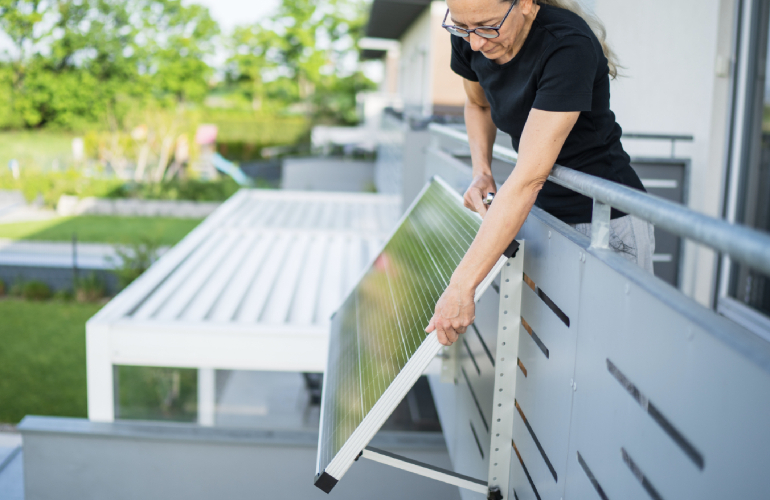
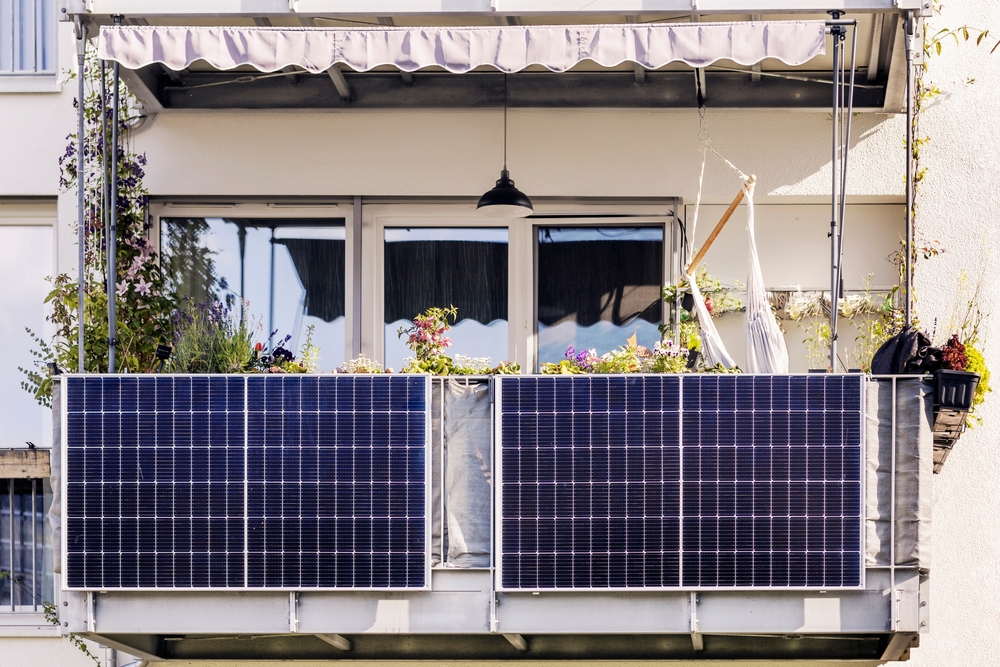
In an Australian first, Western Australia is on the path to legalizing plug-in solar panels and batteries based on German standards. The systems plug into a household wall outlet, offering clean energy for homes and apartments unable to benefit from rooftop solar installations, and can be moved when a resident changes address.
Western Australian Energy and Decarbonisation Minister Amber-Jade Sanderson said the benefits of cheap solar have been out of reach for anyone who doesn’t own their roof.
“I’m proud that our state is leading the nation on this issue – millions of European households already use these systems every day, and WA families should be able to do the same,” said Sanderson.
The state’s Department of Energy and Economic Diversification (DEED) and the Building and Energy Division of the Department of Local Government, Industry Regulation and Safety (LGIRS) are consulting on the proposed legalization pathway and a new technical standard.
The proposal would class plug-in systems as standard electrical appliances through a new Technical Bridging Standard (TBS). The draft is based on DIN VDE V 0126-95, the German technical specification for plug-in solar devices, with local changes for Australian plugs and wind loading. It would allow systems with a combined solar and battery output of up to 2 kW (DC) and inverters of up to 800 VA (AC).
The TBS does not propose to set an upper limit on plug-in battery storage capacity, but limits batteries to lithium iron phosphate or sodium-ion chemistries.
Source link