The UK is considering extending its UK CBAM framework to imported refinery products, potentially bringing petrol, diesel and jet fuel under a carbon border tax as the country prepares to introduce its existing carbon adjustment system in 2027. A new consultation published by HM Treasury and HM Revenue & Customs on October 28 seeks industry feedback on the feasibility and economic consequences of expanding the mechanism to cover selected fuels.
The proposal marks a potential widening of Britain’s approach to carbon pricing at its borders. The government intends to explore how charges on emissions associated with imported refined fuels could reduce the competitive disadvantage faced by domestic refineries operating under UK carbon pricing rules. However, the expansion remains subject to consultation, and the government has yet to establish a definitive implementation timetable.
Stakeholders have until January 20, 2027, to respond to the consultation. The exercise invites contributions from UK and overseas producers, fuel importers, trade associations and downstream businesses, with officials examining the practical challenges of calculating emissions and tracing fuel origins across international supply chains.
The UK CBAM is scheduled to take effect on January 1, 2027, covering specified imported goods from aluminium, cement, fertiliser, hydrogen, and iron and steel. The mechanism is designed to reduce carbon leakage, which occurs when emissions-intensive production shifts to jurisdictions with lower carbon costs rather than being reduced.
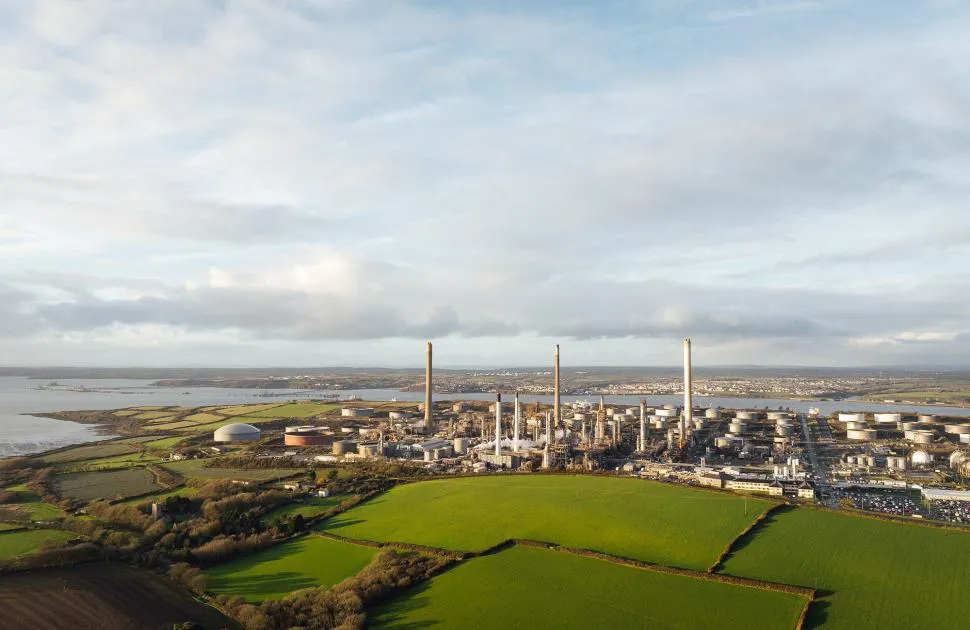
The proposed expansion would extend this policy debate into the refining industry, where fuel affordability and energy security add further complexity. Britain currently has four major refineries: Pembroke, Fawley, Stanlow and Humber.
Source link