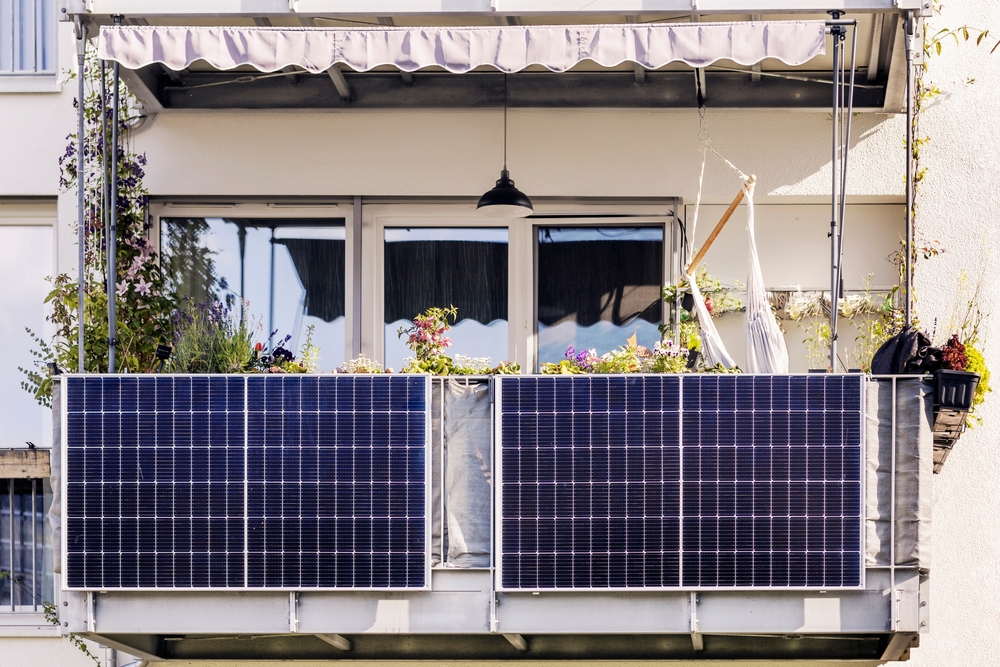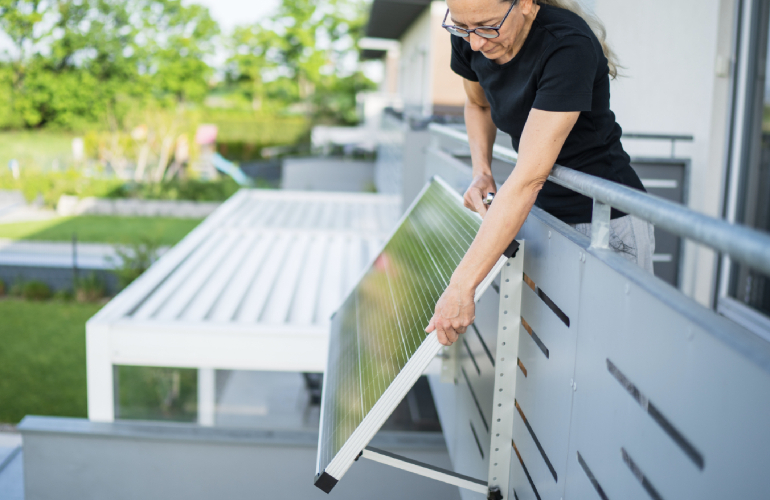
Access to plug-in solar is becoming increasingly available across North America. As more consumers explore technologies such as balcony solar and plug-in photovoltaic (PIPV) systems, these emerging solutions have the potential to make renewable energy more accessible and support broader participation in the energy transition. Solar remains one of the most accessible and promising renewable energy tools being added to the grid, and plug-in solar products may help expand that access to consumers who have traditionally faced economic barriers to participation.
As adoption grows, however, products designed to be convenient and accessible must still be treated as electrical products that interact with a building’s infrastructure. Product design, connectors, wiring, system integration and installation practices all play an important role in safety and performance. Expanding access and maintaining confidence in emerging technologies are complementary goals, and achieving both will require continued attention to the frameworks that support responsible deployment.
Clear safety standards, code-compliant installation practices and appropriate regulatory requirements will be essential to helping ensure that innovation can reach more consumers safely and responsibly. Solar-related issues are often associated not with the panels themselves, but with connectors, wiring and improper installation practices. A major misconception is that consumers can simply purchase a solar panel with a standard plug and connect it to a household outlet. Responsible deployment of PIPV systems depends on several complementary elements working together: products evaluated to appropriate safety standards, compliance with the National Electrical Code (NEC), qualified installation practices, and applicable state and local requirements.
No single element alone can provide the framework needed to support broad and responsible adoption.
Source link