This article has been reviewed according to Science X's editorial process and policies. Editors have highlighted the following attributes while ensuring the content's credibility:
The U.S. Senate on Thursday passed a bill to speed up large energy, industrial and infrastructure projects, sending it to the House of Representatives for a final vote.
Both major parties agree the current permitting framework, a decades-old tangle of overlapping laws, needs an overhaul.
The Bipartisan American Affordability and Jobs Act of 2026 (BAAJA) passed 62-33, narrowly clearing the 60 votes needed to avoid a filibuster.
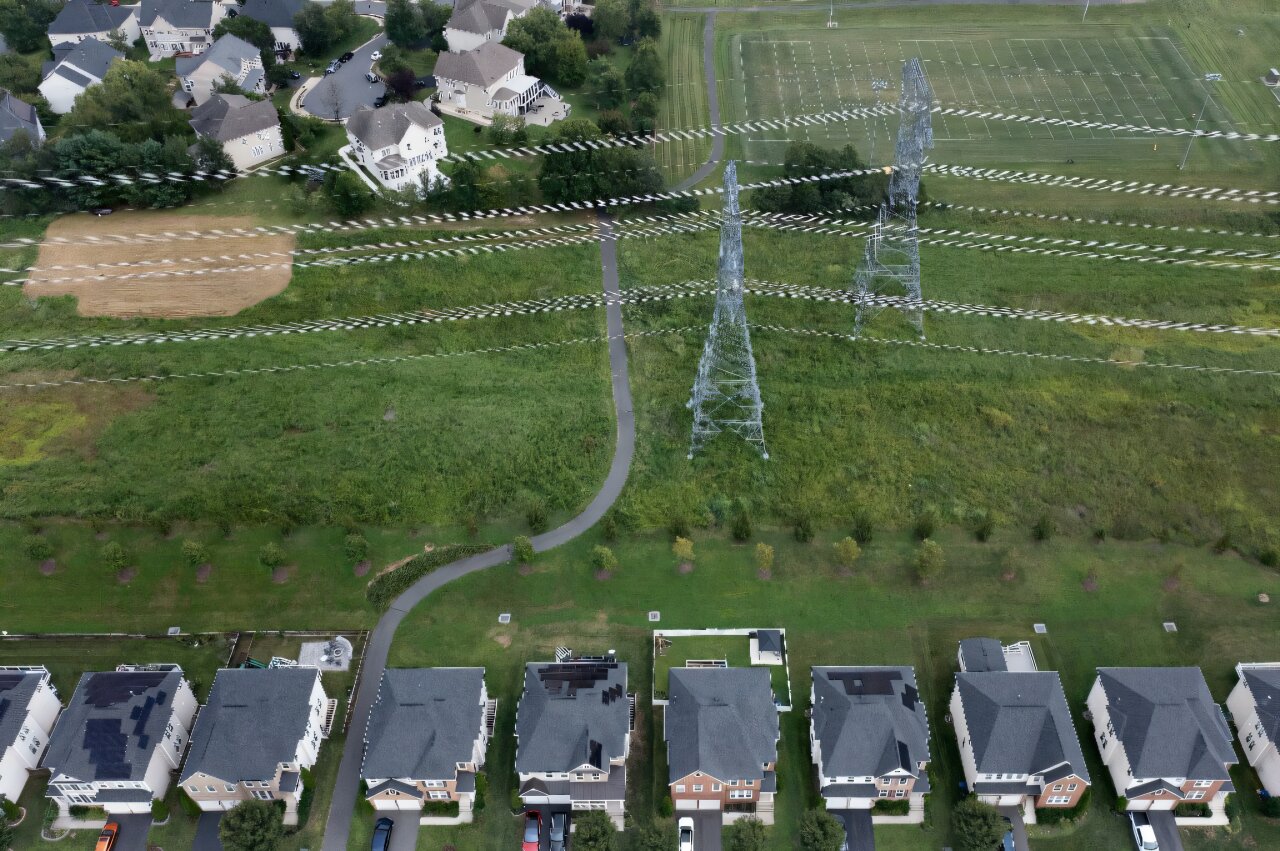
Democratic backers, including co-sponsor Sen. Sheldon Whitehouse of Rhode Island, a leading climate champion in Congress, have stressed that the bill would boost clean energy by upgrading the aging grid so more power can flow from remote solar and wind projects to where it is needed.
The bill limits the president's ability to discriminate among energy sources, which could bar the Trump administration from blocking renewables but also stop a future Democratic president from revoking permits for oil and gas pipelines.
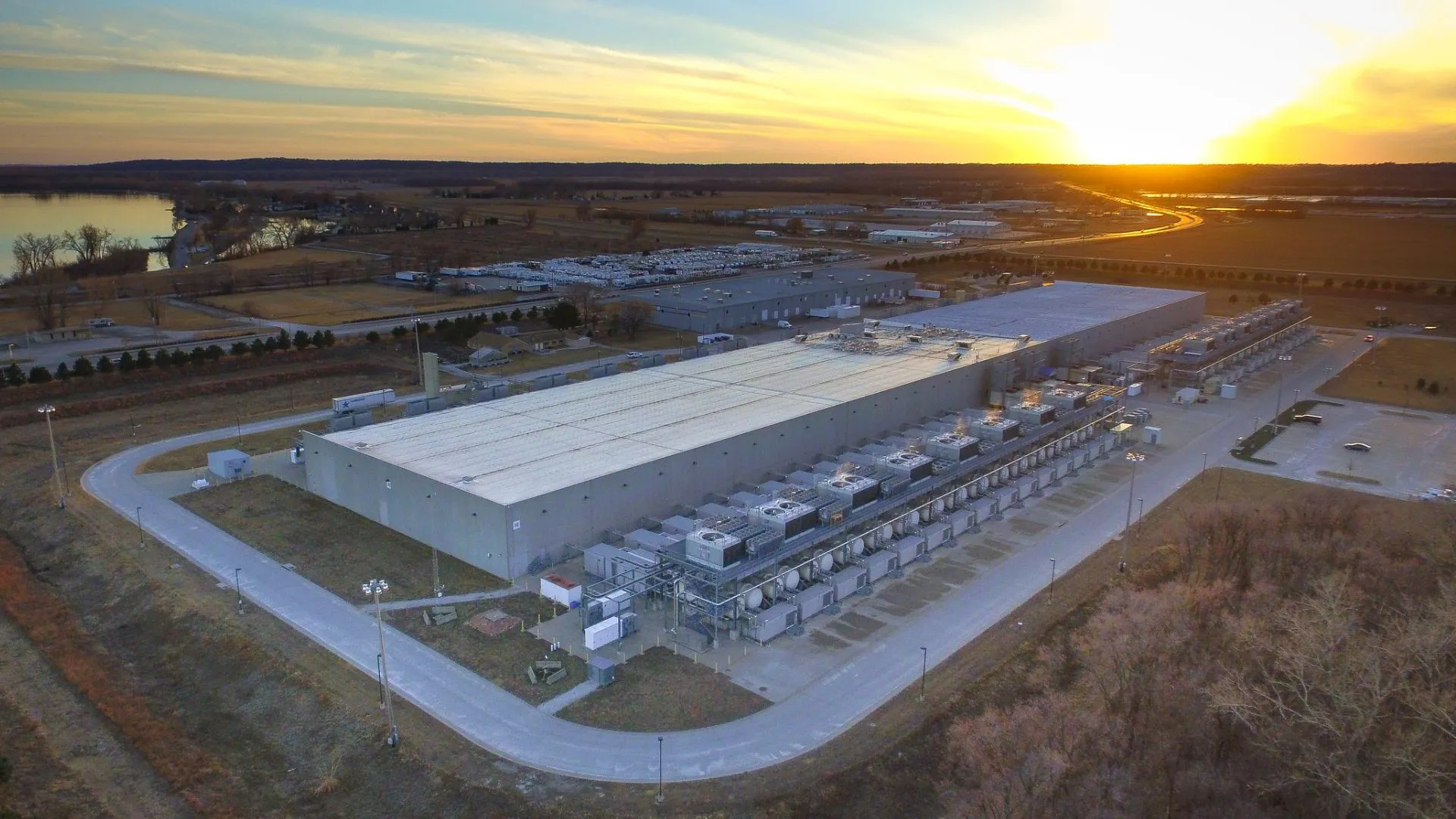
It also requires data centers to pay for their own grid upgrades, a major demand as residential electricity rates have surged, but does not address their air pollution or water consumption.
While most Republicans backed the bill, centrist and progressive Democrats split, with the party's left wing concerned about weakened environmental guardrails and about Native American groups' objections over the impact on their cultural sites.
BAAJA limits challenges under laws including the National Environmental Policy Act, the Clean Water Act, the National Historic Preservation Act and the Endangered Species Act.
Source link