
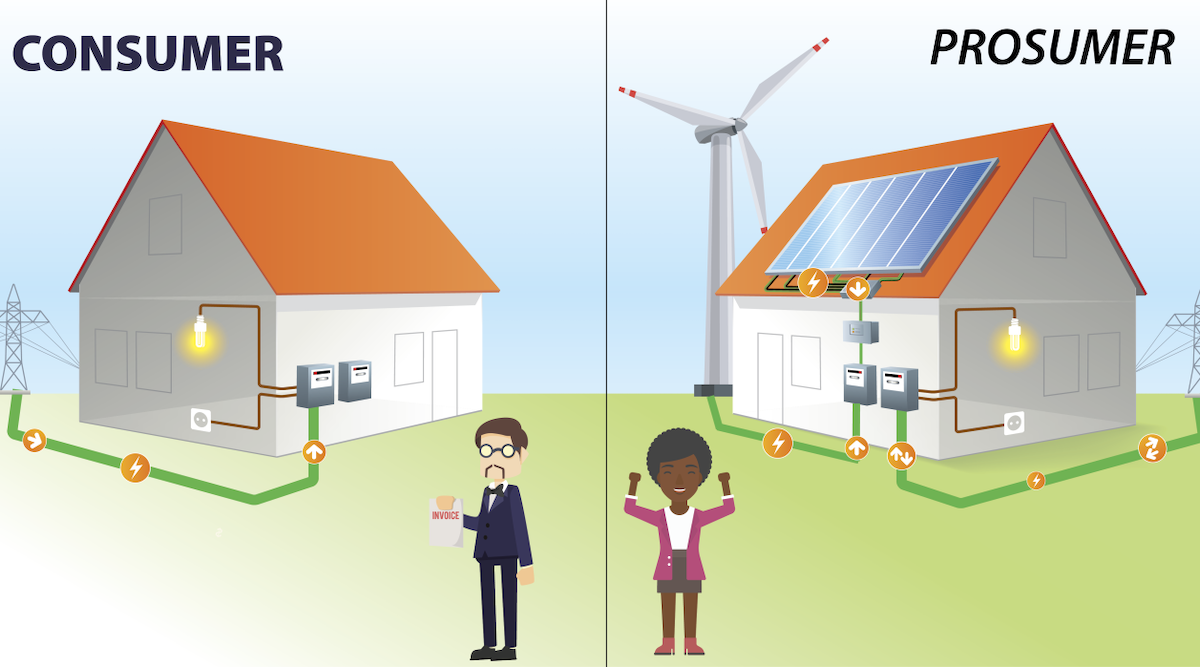
Centralized power plants can trip widespread brownouts or blackouts when under stress. They make fat targets for enemy weapons, too. In contrast, distributed energy resources (DERs for short) can improve overall resiliency in the face of both natural and human-made disasters, while also enabling ratepayers to take advantage of utility discounts, and even earn revenue from their personal energy assets. The DERs field includes — but is not limited to — rooftop solar, EV charging stations, and home batteries. And, we ain’t seen nothing yet. DERs stakeholders have also begun moving into the distributed computing field as well.
DERs first surfaced on the CleanTechnica radar in the early 2000’s during the Obama administration, when the US Department of Energy began promoting decentralized, home-and community-based energy resources as the leading characteristic of a modernized and more resilient electricity grid. Made possible by the falling cost of solar, wind, and energy storage, the agency’s embrace of small-scale, localized electricity generation was a sharp contrast with the traditional emphasis on large centralized power plants for energy security (see more DERs background here).
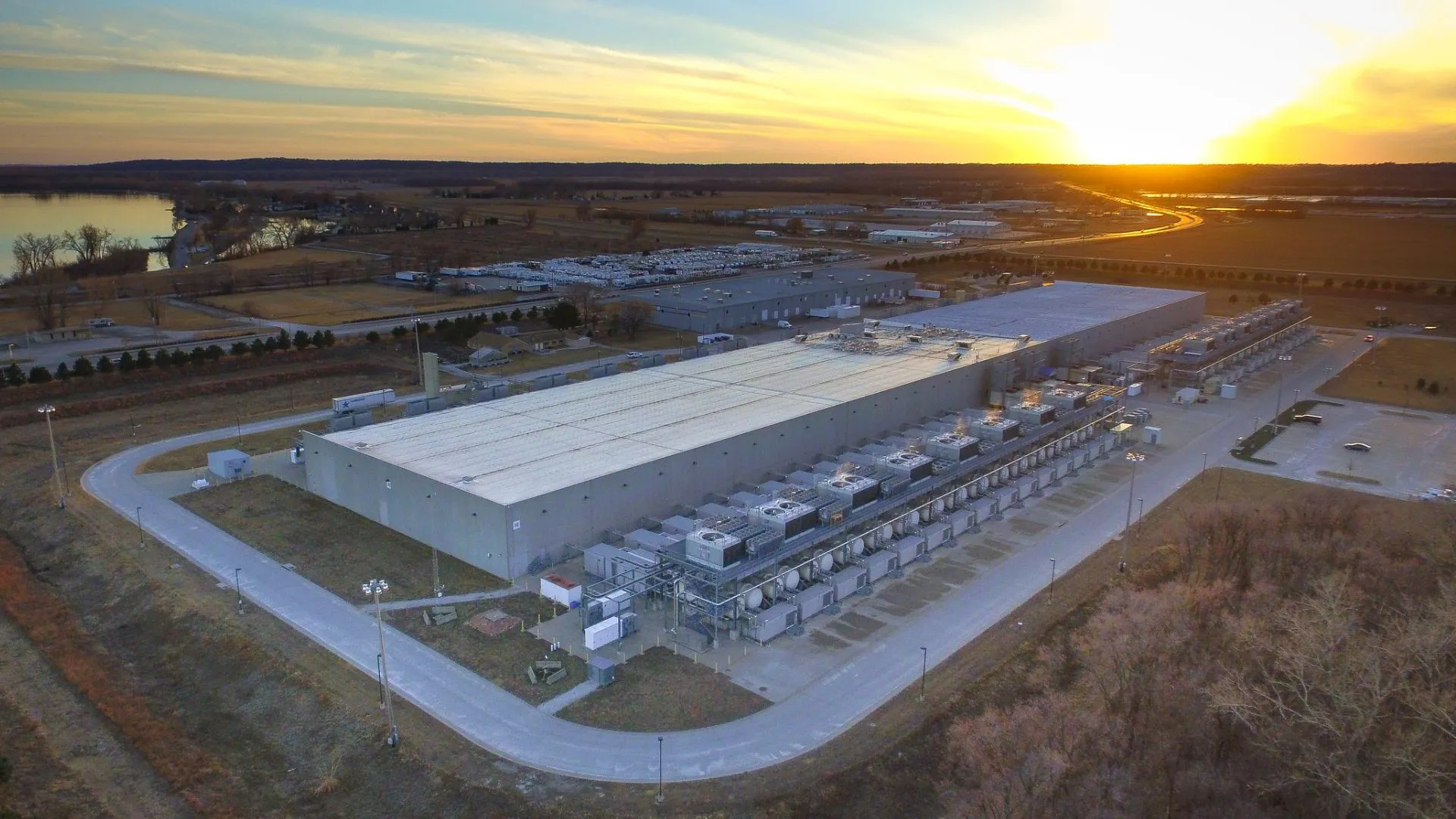
Nowadays the DERs field embraces practically any non-centralized power generation resource, regardless of size or type. The DERs field can include, for example, a new gas power plant commissioned to run an adjacent AI data center.
To get some perspective on the journey of DERs since the early 2000’s, consider the case of the leading rooftop solar installer Sunrun. After launching in 2007, Sunrun segued into energy storage and virtual power plants, with “virtual” referring to smart grid technology that coordinates thousands of far-flung energy producing (and consuming) devices to balance supply and demand at peak periods of consumption.
Source link