Electricity demand can swing sharply over the course of a day, but the grid needs power long after the evening rush has passed.
Nuclear power helps meet that round-the-clock demand, supplying roughly one-fifth of US electricity with reactors that typically run for months between refueling outages and produce no carbon dioxide while generating power.
Some nuclear stations can deliver more electricity than others simply because they have more reactors. Others can generate just as much power with fewer, larger reactors.
Here are the ten largest operating nuclear power plants in the US, ranked by net summer generating capacity.
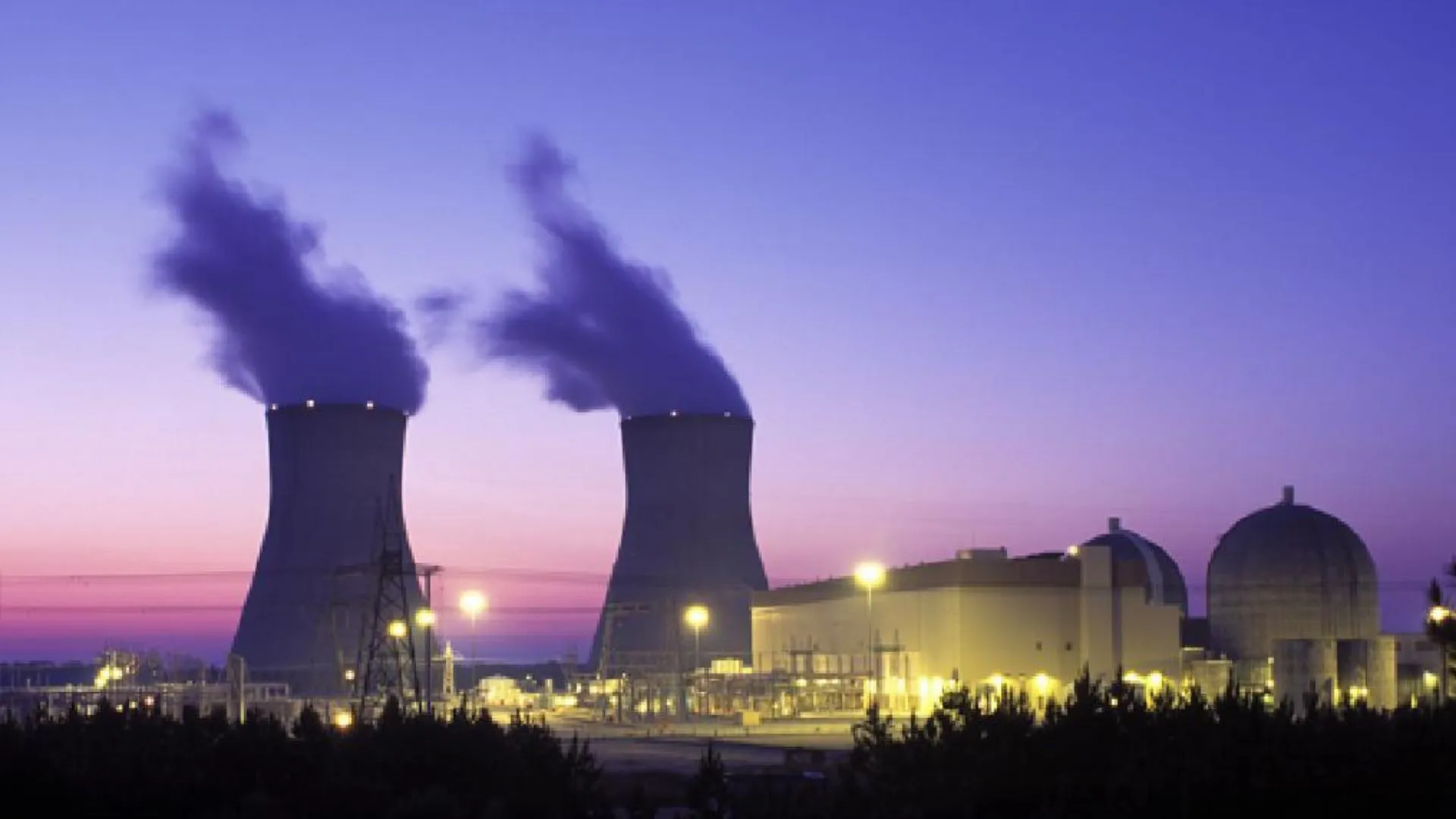
Plant Vogtle’s rise to the top was nearly four decades in the making. Its first two reactors entered commercial service in 1987 and 1989, and the site remained a two-reactor station until Unit 3 came online in 2023.
Unit 4 followed in April 2024, making the eastern Georgia plant the only operating four-reactor nuclear station in the country.
The two newer units account for nearly half of Vogtle’s capacity, giving it a lead of almost 600 megawatts over Palo Verde.
Drive about 55 miles west of downtown Phoenix, and you’ll find three nuclear reactors in a place with no major body of water beside them. Palo Verde solved that siting problem by drawing on a resource the Phoenix area already produced in abundance. The resource was municipal wastewater.
The station takes treated wastewater from nearby communities and processes it further for use in its cooling towers. Arizona Public Service says Palo Verde recycles more than 20 billion gallons a year, helping sustain a plant that supplies electricity across several Southwestern states.
Source link