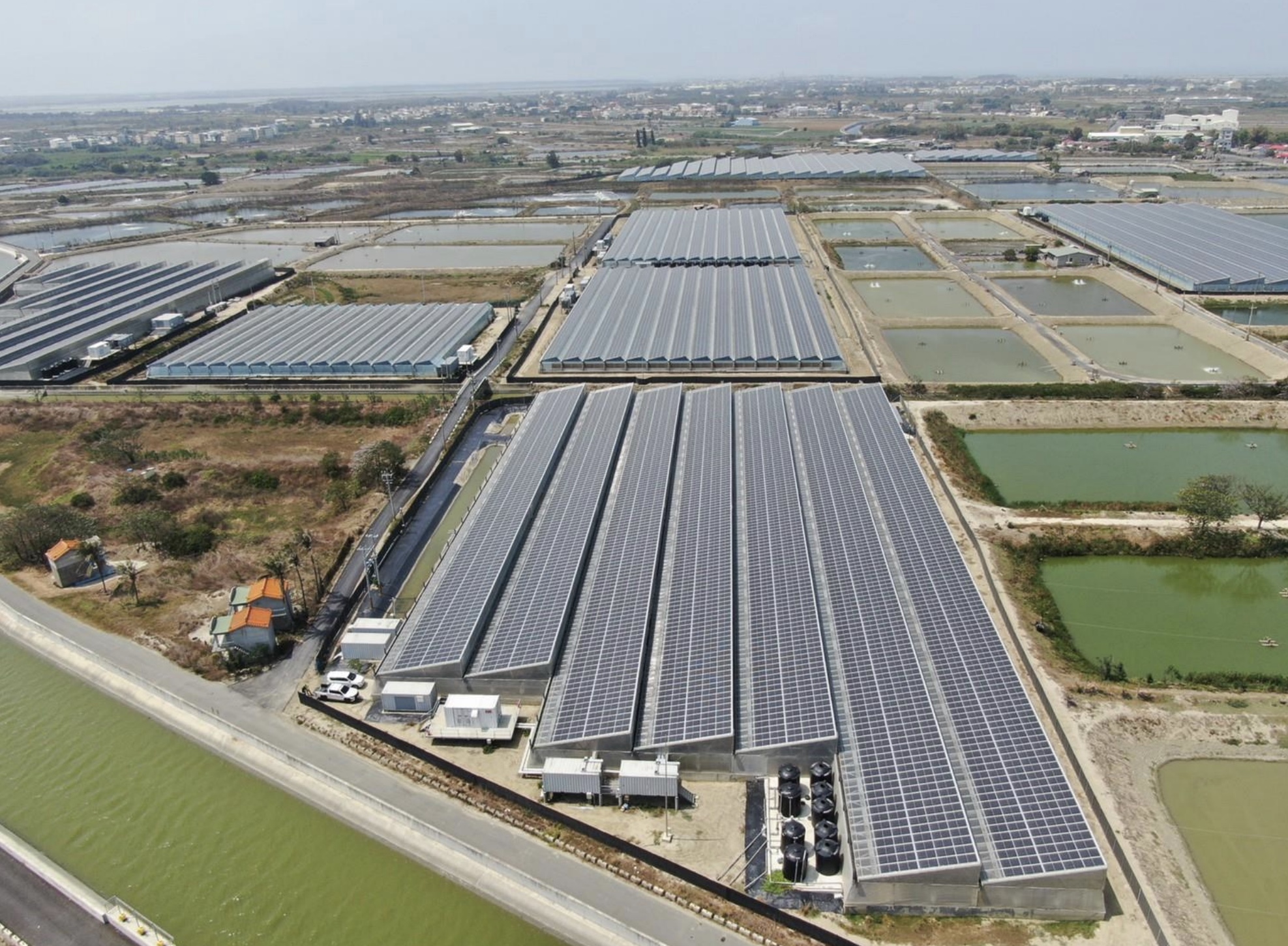
Taiwan’s Ministry of Economic Affairs (MOEA) has introduced a regulatory framework designed to promote the integration of battery energy storage systems (BESS) with existing solar photovoltaic installations. The initiative reflects Taiwan’s growing emphasis on grid stability, renewable energy optimization, and the development of a more flexible electricity system.
The guidelines, issued on November 6, 2024, establish a competitive bidding and capacity allocation mechanism for eligible solar power facilities seeking to incorporate battery storage.
Under the new framework, existing grid-connected PV plants exceeding 1 MW in size may participate in the bidding process. Eligible developers are required to install battery storage with a minimum energy capacity equivalent to 2.61 MWh for every MW of rated storage power.
The competitive bidding mechanism determines the battery capacity tariff offered to successful applicants, introducing market-based price competition. Projects receiving capacity allocation approval must generally complete battery installation and grid connection within 15 months.
The framework also requires successful participants to release grid connection capacity equivalent to 1.5 times the rated storage power capacity, subject to applicable conditions. This provision could help improve the utilization of Taiwan’s existing grid infrastructure and create opportunities for additional renewable energy integration.
The framework also includes provisions for a daily guaranteed billing quantity linked to 2.61 times the rated storage power capacity, subject to operational requirements and other conditions.
Electricity discharge will be coordinated according to national utility Taipower ‘s scheduling and dispatch requirements. This approach is intended to shift part of Taiwan’s solar electricity output from midday periods toward times when stored energy can provide greater value to the electricity system.
Source link