Geothermal startups are in a race to see who can tap the deepest, hottest rocks. The winners could power the next phase of the grid, data centers and all.
The broader markets got their first taste of enhanced geothermal earlier this year when Fervo Energy went public. But this week was all about super-hot rock geothermal.
Geothermal has become a darling among investors, tech companies, and even the Trump administration. The basic technology has been around for decades, but advances in drilling techniques borrowed from the oil and gas industry has supercharged it. The U.S. has plenty of potential, too, with up to 57 terawatts of generating capacity, more than enough to power the next wave of AI data centers.
An emerging class of geothermal energy, known as super-hot rock, could help the industry unlock much of that potential.
The secret to super-hot rock geothermal is what happens to water at extreme depths. As it gets closer to the superheated core of the Earth, both temperature and pressure rise significantly. When they get high enough, ordinary water turns into a supercritical fluid — a sort of gaseous-liquid state that can carry tremendous amounts of energy. A single super-hot rock well could generate 15 megawatts of electricity or more.
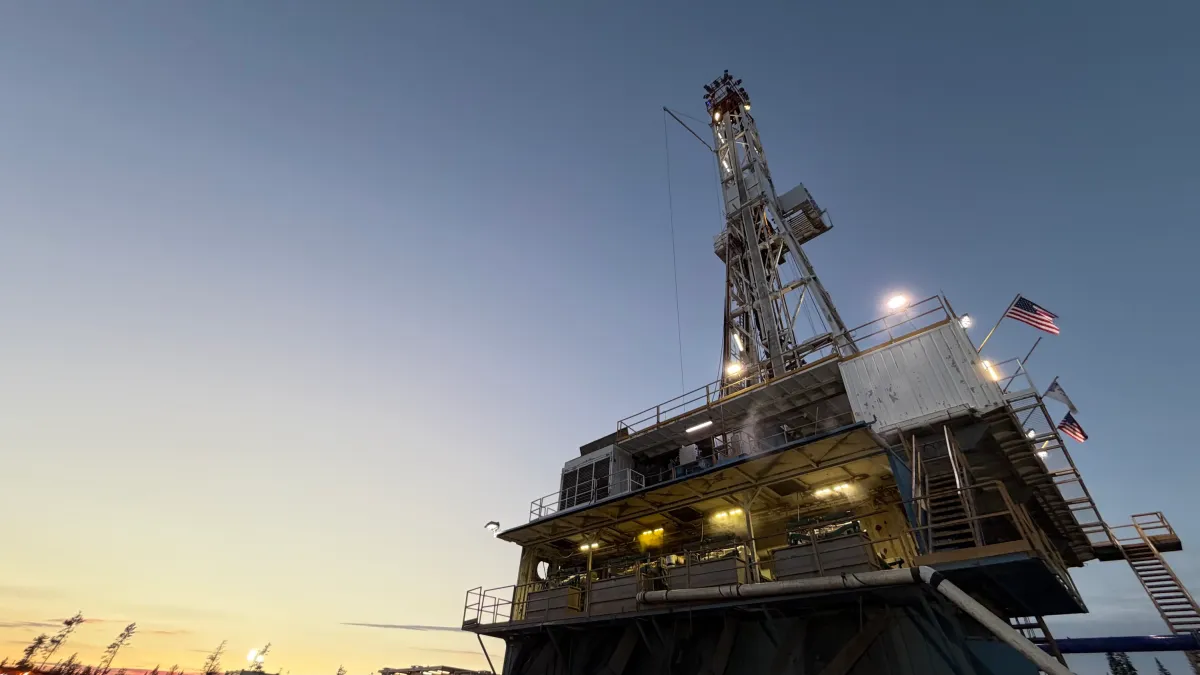
Super-hot rock geothermal is inching closer to commercial reality. Quaise Energy said on Tuesday that it had landed Google as a customer. The hyperscaler said it would pay more than $500 million to secure 50 megawatts of power from a Quaise project in central Oregon, which will tap into searing heat three miles deep.
Source link