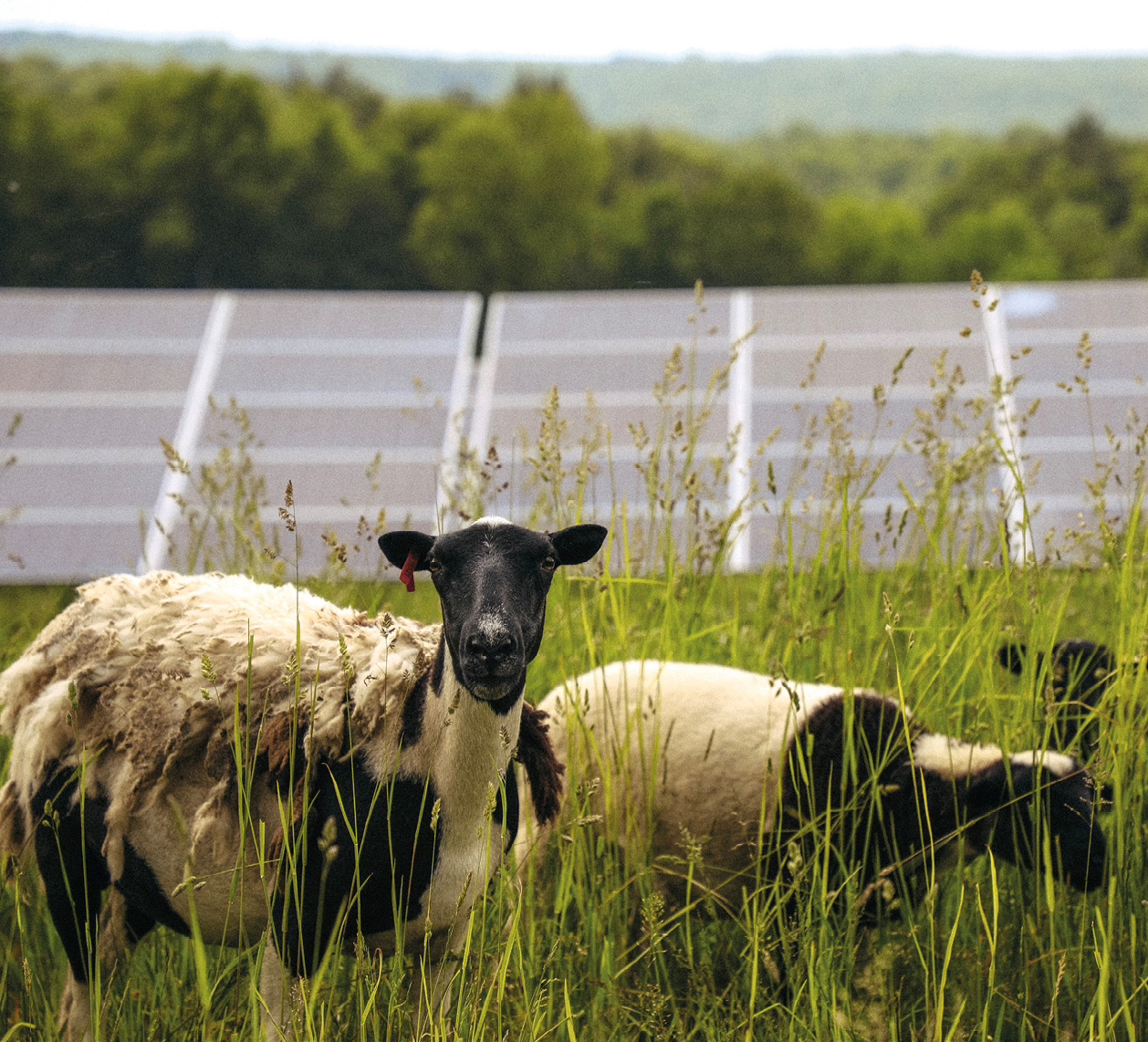
The US Department of Energy defines community solar as a shared model through which multiple customers – usually households, businesses, and non-profits – can benefit from a single, shared, usually off-site array. A portion of community solar deployment was slated to come through the federal government’s Solar for All program.
This $7 billion competitive grants initiative was introduced to tackle energy poverty in communities as part of the $27 billion Greenhouse Gas Reduction Fund (GGRF), which was created through the Inflation Reduction Act in 2022, enacted under former President Joe Biden.
In March 2025, the Trump administration flagged issues in how the GGRF was being allocated. It terminated $20 billion in GGRF funding, canceling funds allocated to eight National Clean Investment Fund and Clean Communities Investment Accelerator awardees.
In July, the Working Families Tax Cut was signed into law, rescinding unobligated GGRF funding. The Environmental Protection Agency (EPA) interpreted this as a repeal of the EPA’s authority to administer Solar for All and sent termination notices to all 60 awardees. This was a shock.
“When the program wound down, the landscape changed,” said Clean Energy States Alliance’s (CESA) Nate Hausman. “The programs had been built, and these were congressionally obligated funds.”
Hausman, who was hired as an administrator by one of the awardees, told pv magazine that the termination of the fund upset the pipelines of developers, lenders, and community organizations that had built multi-year project plans around the funding program.
Hausman said that only a fraction of the $7 billion in funds allocated in April 2024 were deployed by the time the program was stopped in August 2025.
Source link